How To Stop My Shade Net From Loosening & Wearing Out? Here's The Fix
A lot of growers ask the same question. The net was working fine. Then slowly, it started to loosen in the middle. Or one corner showed wear near the pole. The net itself looks fine otherwise. So what went wrong? This is one of the most common problems in shade net agriculture. And the answer is almost never the net fabric. It is nearly always something in the setup around it. Let's go through the real reasons, one by one.Why Does a Good Shade Net Still Loosen?
Loosening happens when the net carries more weight or pressure than the support structure can handle. This is not a manufacturing defect. A net from a reliable shade net manufacturer can still loosen if it is stretched across too wide a gap or if the poles are spaced too far apart. Common reasons for loosening:- Poles spaced too far from each other
- Net installed too loose at the start
- Heavy rain collecting in the middle of the net
- No slope built into the structure for water to run off
What You Must Know About The Installation
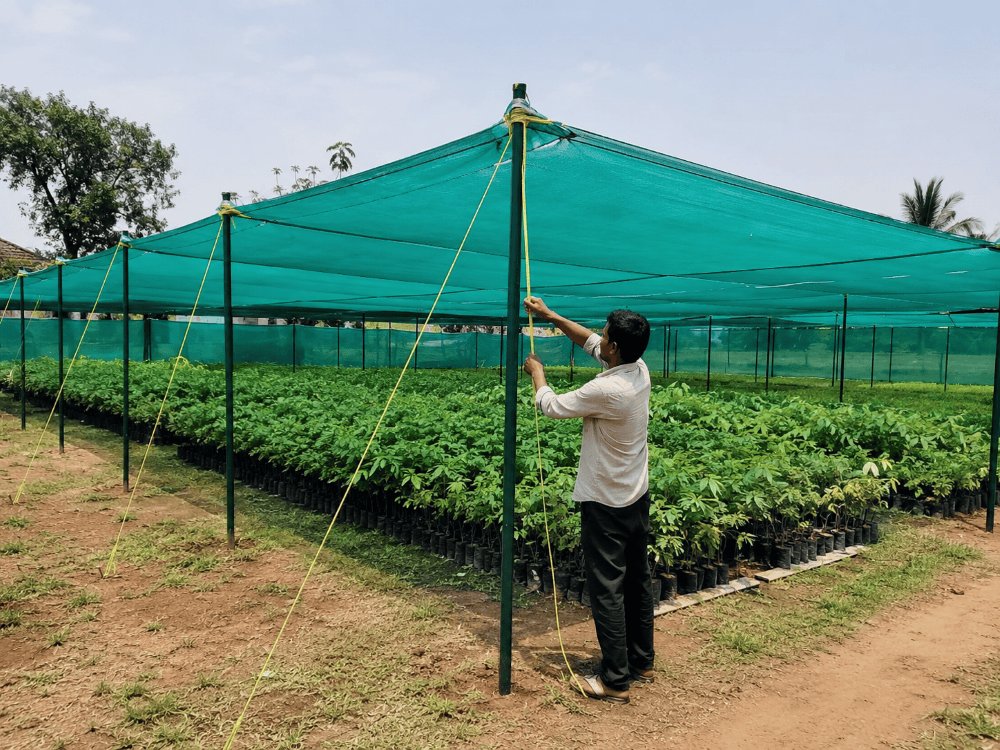
Here is something growers rarely hear directly. Most shade nets manufacturers produce strong, reliable fabric. But very few explain how much the rope and tensioning method affect the net's actual lifespan. The net fabric is woven to handle sun, wind, and rain. But the rope holding it to the poles is what takes the real physical strain. If the rope is thin, low quality, or tied incorrectly, it stretches or gives way before the net itself shows any wear. This is why two farms can buy the exact same net and have very different results. One farm ties it with proper tension and correct rope spacing. The other pulls it tight in a few spots and leaves the rest loose. The second one shows wear first. Before blaming the net, check the rope and the knots. That is usually where the problem starts.Shade Net Agriculture: How Weather and Tension Wear Down Nets Over a Season
In shade net agriculture, weather is the biggest daily stress test. Wind pulls at the net constantly. Heavy rain adds sudden weight. Strong sun, over months, slowly weakens any material that is not UV stabilised. Here is what each season typically does:- Summer: UV rays break down weak fabric and ropes faster than expected
- Monsoon: Water pooling on a flat net adds heavy, sudden weight to the same spots
- Windy months: Loose nets flap repeatedly, and every flap adds wear to the same weak points
Why Shade Net for Nursery Loosen Faster Than Field Nets
A shade net for nursery use often faces more stress than a net in an open field. Nurseries usually have smaller structures, tighter pole spacing, and nets that get adjusted often as plants are moved in and out. This frequent handling is the issue. Every time a net is lifted, folded, or re-tied, the rope and edges take small amounts of wear. Over a season, this adds up. Nursery growers can reduce this by:- Using a slightly higher density net to reduce wind movement
- Avoiding sharp folds at the same point every time
- Re-checking rope tension every few weeks, not just at installation
Where Agriculture Plastic Film and Shade Nets Share the Same Installation Mistakes
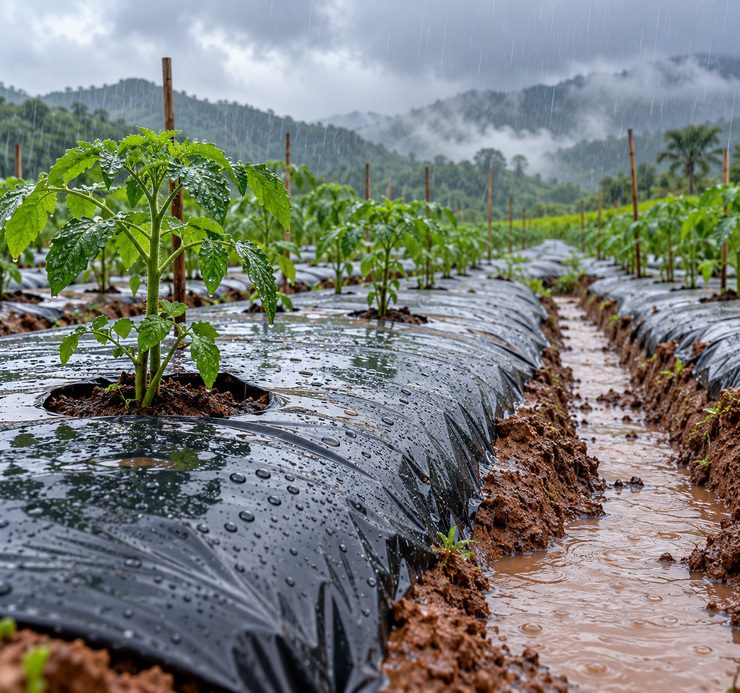
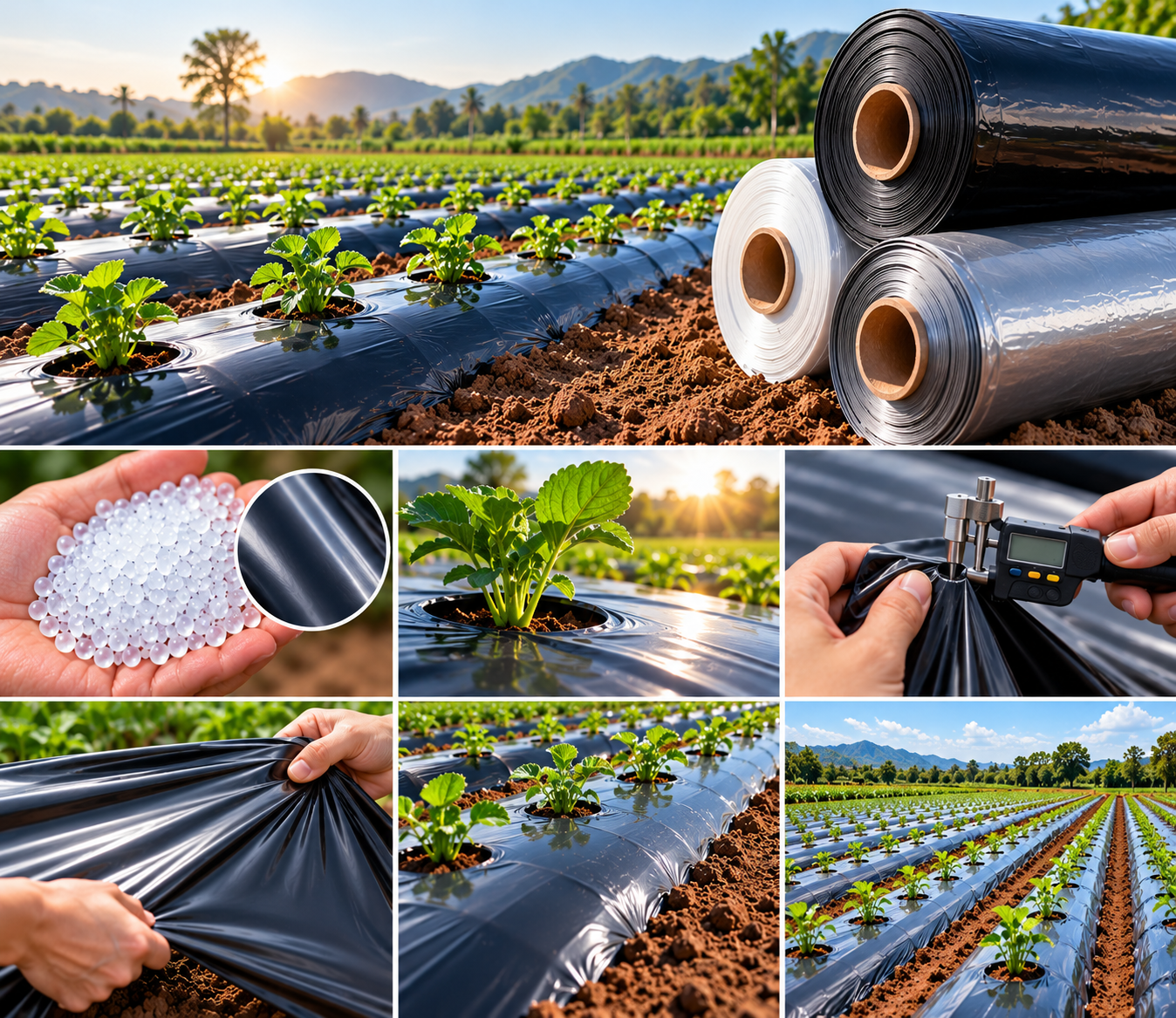
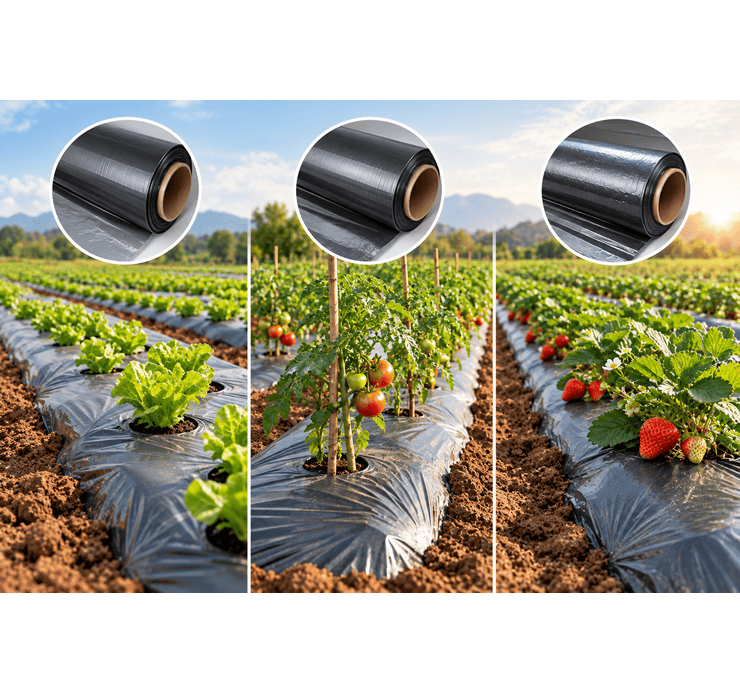
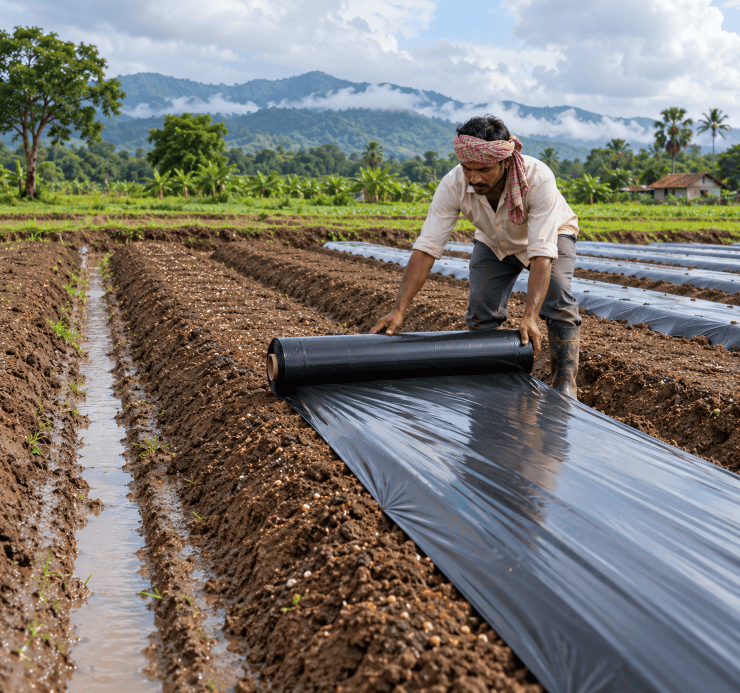
It may seem unrelated, but agriculture plastic film and shade nets show wear for very similar reasons. Both are stretched over a structure or a soil bed. Both depend on correct tension to perform well. And in both cases, most wear traces back to the same root cause — poor anchoring. With mulch film, loose edges let wind get underneath and lift the sheet. With shade nets, loose tension lets wind catch the net and pull at the same weak spot repeatedly over time. The lesson is the same for both products. A good material installed loosely will always underperform a slightly average material installed correctly. Installation is not an afterthought. It is half the product.What Shade Net Green Fading or Loosening Is Telling You
If your shade net green colour is fading alongside loosening, these are usually two separate issues happening at the same time. Fading is mostly UV exposure over time. It is normal and expected in high-sunlight regions and does not always mean the net is structurally failing. Loosening is a tension and support problem. A net can fade in colour and still hold its shape perfectly. Or it can look fresh and still loosen badly. These are two different signals. Check them separately. Fading alone is not a reason to replace. Loosening is.A Simple Pre-Season Checklist
Before the next heavy season, go through this list:- Check all rope knots for fraying or stretching
- Look for loosening in the middle of large net sections
- Add a support pole if any gap is wider than recommended
- Re-tension any section that has loosened since installation
- Check for early wear near poles, where stress is highest
- Clear any debris or dried leaves sitting on the net
How to Choose the Right Supplier
A lot of loosening and wear issues trace back not just to installation, but to the material quality supplied in the first place. Thin rope, inconsistent fabric density, or weak UV treatment all make correct installation harder to maintain across seasons. When evaluating a supplier, look for clear, direct answers on:- UV stabilisation life
- Rope quality and recommended type per structure size
- Density options suited to your specific use, whether open field or nursery