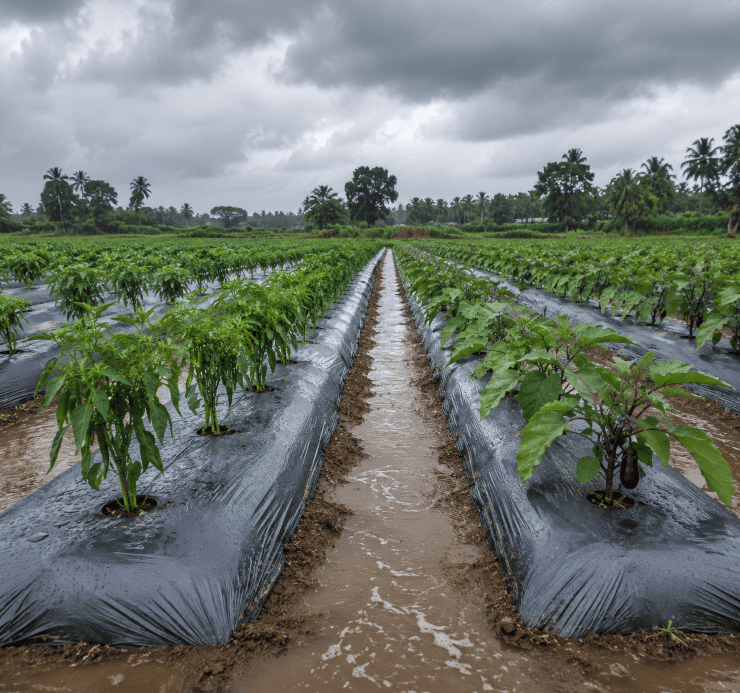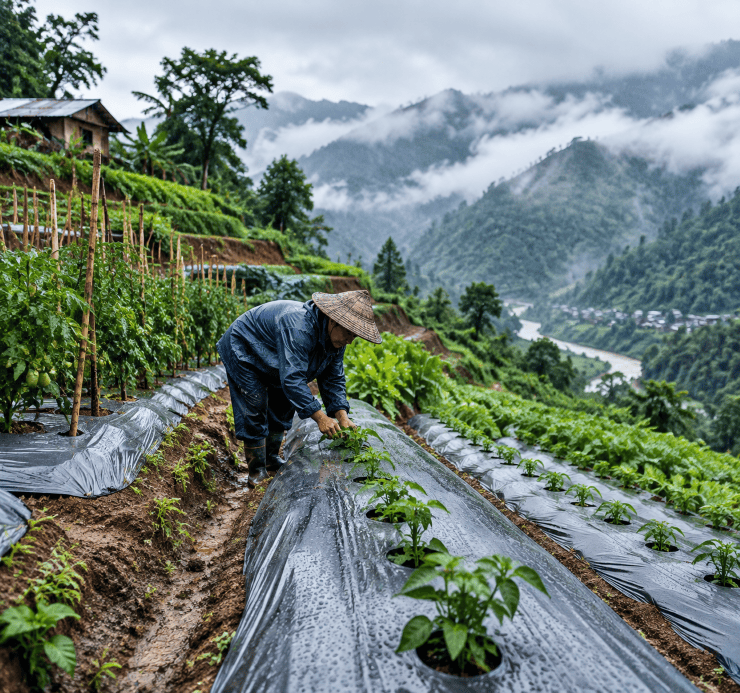
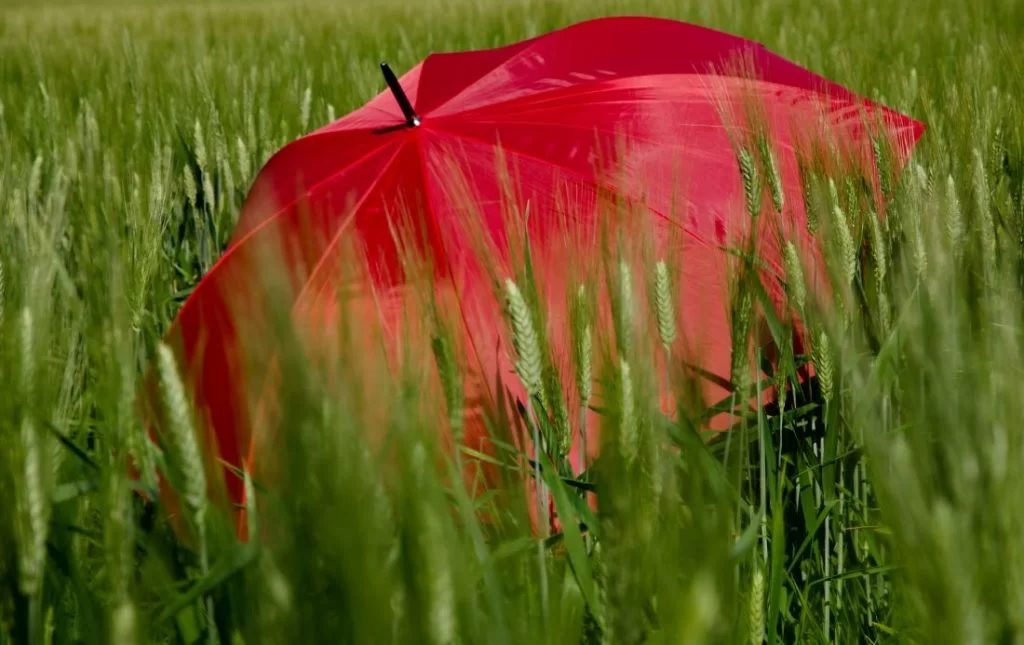
[caption id="attachment_10134" align="aligncenter" width="1024"]Red umbrella in a green field representing pre-monsoon preparation for mulch films and crop protection Pre-monsoon stock planning for mulch films and shade nets to protect crops across eastern India[/caption]     Most businesses wait until the rains arrive to order mulch films. By then, stock is short, lead times are long, and prices go up. The right move is to plan 6–8 weeks before the monsoon. Know which agriculture mulch film your crop zone needs, pick the right micron and colour and work with reliable mulch film manufacturers in Kolkata for faster delivery across eastern and northeastern India. Why Monsoon Is Peak Season for Mulch Films and Shade Nets When the rains arrive, so do soil problems - erosion, waterlogging, weed pressure, and compaction. Farmers know this. What many distributors miss is that demand for mulch films and shade nets jumps 4 to 6 weeks before the rains, not after. Farmers apply agricultural mulching films before planting to protect the soil surface. The film holds moisture in, blocks weeds, and manages soil temperature. Once the monsoon starts, applying mulch becomes harder and less effective. The window to sell is narrow and it opens earlier than most businesses plan for. Shade nets serve a parallel role: they protect nurseries, polyhouses, and high-value crops from excess rain and sun. Both products move together, and both need to be on shelves before the rush, not during it. Crop-Wise Demand: Which Agriculture Mulch Film Moves in Which Region Not all crops need the same type of agriculture mulch film. Matching the right product to the right crop zone is what separates a dealer who runs out of stock from one who sells through everything they ordered.
Crop / Region Preferred Colour Why It Works
Vegetables: West Bengal, Odisha, Assam Black Blocks weed growth, warms soil in pre-monsoon period
Strawberry, capsicum: Himachal, hills Silver / reflective Repels insects, reduces pest load, reflects UV
Watermelon, cucumber: Bihar, UP, MP Black or dual-side Controls soil temperature, promotes root development
Tomato, chilli: Maharashtra, Andhra Black or red Red film can increase fruit yield in select varieties
Flower crops, nurseries: pan-India White or silver Reflects heat, protects surface roots in high-temp zones
Stock black plastic mulch film as your base SKU; it covers the widest range of crops and climates. Layer in silver and dual-colour variants based on your specific customer base. How to Evaluate Mulch Film Suppliers Before the Rush Begins Finding good mulch film suppliers is not just about price. When the season hits, what matters most is whether stock is actually available, whether it ships on time, and whether the quality is consistent batch after batch. Here is what to check before placing a large pre-season order:
  • Production capacity. Can the supplier fulfil a large order within 7 to 10 days? Ask for their monthly output numbers.
  • Micron and width consistency. Variance in film thickness causes uneven field performance. Ask for a tolerance specification in writing.
  • Material quality. LDPE (Low Density Polyethylene) with UV stabilisation is the standard. Confirm this is what is used; not a mixed or recycled substitute.
  • Machinery and technology. Manufacturers using imported, state-of-the-art machinery produce more consistent output than those on older equipment.
  • Track record. Have they supplied similar volumes in past seasons? References from other dealers in your region carry real weight.
  • Packaging integrity. Proper roll packaging prevents film damage in transit. Check how rolls are wound, wrapped, and labelled.
  • Return and replacement policy. If there is a defective batch, what is the process? Know this before ordering, not after.
  Stocking the Right Plastic Mulch Film: Micron, Colour and Width Guide When you order plastic mulch film, three specs decide whether it actually sells: micron thickness, colour, and roll width. Getting these wrong means the film does not fit your customers' crop beds or equipment and it stays on your shelf.
Spec Common Options What to Stock
Micron (thickness) 15, 20, 25, 30, 50 micron 25 micron for most vegetable crops; 50 micron for longer-season or re-use
Colour Black, silver, white, dual-side Black as primary base; silver for reflective demand; dual for high-value crops
Width 0.8m, 1.0m, 1.2m, 1.4m, 1.6m 1.0m and 1.2m cover most standard bed sizes; 0.8m for narrow row crops
Roll length 400m, 800m, 1000m 400m for small farms; 800m–1000m for large buyers
Lifespan Single-season to 24 months UV-stabilised film lasts longer; confirm rating with manufacturer
Thinner films (15–20 micron) cost less but are more prone to tearing during laying. Most farmers using mechanical layers prefer 25 micron and above. For small and family-run farms, 25 micron black agricultural mulching films in 1.0m width is the most versatile single SKU to stock heavily. Why Sourcing from Mulch Film Manufacturers in Kolkata Cuts Your Lead Time Geography matters in supply chains. Sourcing agricultural mulching films from mulch film manufacturers in Kolkata reduces freight cost and delivery time for the entire eastern region - West Bengal, Odisha, Bihar, Jharkhand, Assam, and the Northeast. Sourcing from plants in Gujarat or Rajasthan adds 4 to 7 days in transit, higher freight costs per roll, and more risk of damage in long-haul transport. During peak season, those extra days can directly translate to missed sales. Pre-Season Procurement Checklist for Agricultural Mulching Films Use the following checklist 6–8 weeks before your region's monsoon onset. Adjust quantities based on last year's sell-through data.
  • Review last season's stock - which SKUs sold out first? Which were leftovers?
  • Map your primary crop zones and match them to the right film colour and micron thickness.
  • Contact mulch film suppliers 6 to 8 weeks ahead to lock in pricing and production allocation.
  • Order black 25-micron film in 1.0m and 1.2m widths as base stock.
  • Based on your premium crop, the customer base orders silver and dual-side variants.
  • Check warehouse storage conditions - plastic mulch film rolls must be kept away from direct sunlight and heat before use.
  • Confirm minimum order quantities and lead times in writing before the season starts.
  • Plan a buffer stock of 15–20% above expected demand to handle unexpected surges.
  • Talk to farmers in your area and find out if any new crops or varieties this season may need different film specs.
How to Select the Right Supplier for Mulch Films Choosing the right supplier is not a one-time decision, it is a relationship you build before the season starts, not during it. Prefer manufacturers over traders. Direct manufacturers give better quality control, more consistent specs, and faster response on custom orders. For eastern India buyers, working with mulch film manufacturers in Kolkata like Neha Mulch Film reduces lead time and freight cost significantly compared to distant plants. Ask for product samples and verify micron tolerance before a large order. Check their track record in previous monsoon seasons; can they supply at full volume when everyone needs stock at the same time? Assess response speed, and get pricing confirmed in writing 6–8 weeks before peak season. The right supplier keeps your shelves stocked, your customers productive, and your pre-season investment protected.   Frequently Asked Questions Is plastic mulch film suitable for high temperatures? Yes. LDPE-based plastic mulch film handles soil surface temperatures up to 60–70°C. For hot zones, use silver or white film, it reflects sunlight and keeps the soil cooler. Always confirm the UV rating with your supplier. How long does mulch film last in the field? Standard film lasts one crop season around 3 to 6 months. UV-stabilised film can last 12–24 months depending on thickness and conditions. A 25-micron UV-stabilised film can often cover two crop cycles if laid and removed carefully. What is the difference between black and silver mulch film? Black film blocks sunlight, completely good for weed control and warming the soil. Silver film reflects light upward, which repels insects like aphids and whitefly. Use silver for capsicum, chilli, strawberry, and cucumber where pest pressure is high. Can mulch film be used in heavy rainfall areas? Yes. It protects soil from rain splash, reduces compaction, and prevents waterlogging around the root zone. It is widely used across West Bengal, Assam, and the Northeast through the full monsoon season. What micron thickness should I stock for small and medium farms? 20–25 micron works best for manual laying; practical, tear-resistant, and easy to handle. For tractor-mounted layers, go with 25–30 microns. For two-season use, stock 50 micron. How should mulch film be stored at the warehouse? Keep rolls in a cool, dry, shaded area away from direct sunlight and heat. Store upright, not stacked flat. Stay below 40°C and use within 12 months of the manufacturing date. Does mulch film reduce the need for pesticides and fertilisers? Yes. By blocking weeds, it reduces nutrient competition, so crops need less fertilizer. By retaining soil moisture evenly, it reduces plant stress and lowers pest susceptibility. Farmers across West Bengal and Odisha have reported lower pesticide and irrigation use after switching to mulch film.

Looking for a high-quality
Mulch Film for your farm?