Indian summers are brutal. In states like Rajasthan, Maharashtra, Odisha, and West Bengal, temperatures cross 40°C for weeks. For a farmer watching crops wilt and dry out in the field — that heat is not just uncomfortable, it is a direct loss of income.
Heat stress is one of the biggest reasons behind poor yield in India. It affects flowering, fruit size, soil moisture, and overall plant health. For years, farmers had very few options to fight it. That is changing now — largely because of what shade net manufacturers have been developing for Indian farming conditions.
What Heat Stress Actually Does to Your Crops
Most farmers notice the damage only after it has already happened. Here is what heat stress does at each stage:
When temperatures rise beyond a limit, plants stop growing
They go into survival mode. Flowers drop before fruiting. Leaves curl or burn at the edges. Soil dries out faster, which means more water is needed but less of it actually reaches the roots.
Some crops are more vulnerable than others
Vegetables like tomatoes, chilies, capsicum, and leafy greens are highly sensitive to heat. Nursery seedlings are even more at risk — a single afternoon of intense heat can destroy a batch that took weeks to prepare.
Heat stress does not always look obvious
Sometimes the damage shows up as smaller fruits, uneven ripening, or a sudden drop in yield mid-season. By the time it is visible, a large portion of the crop is already affected.
How Shade Nets Work as a Heat Shield
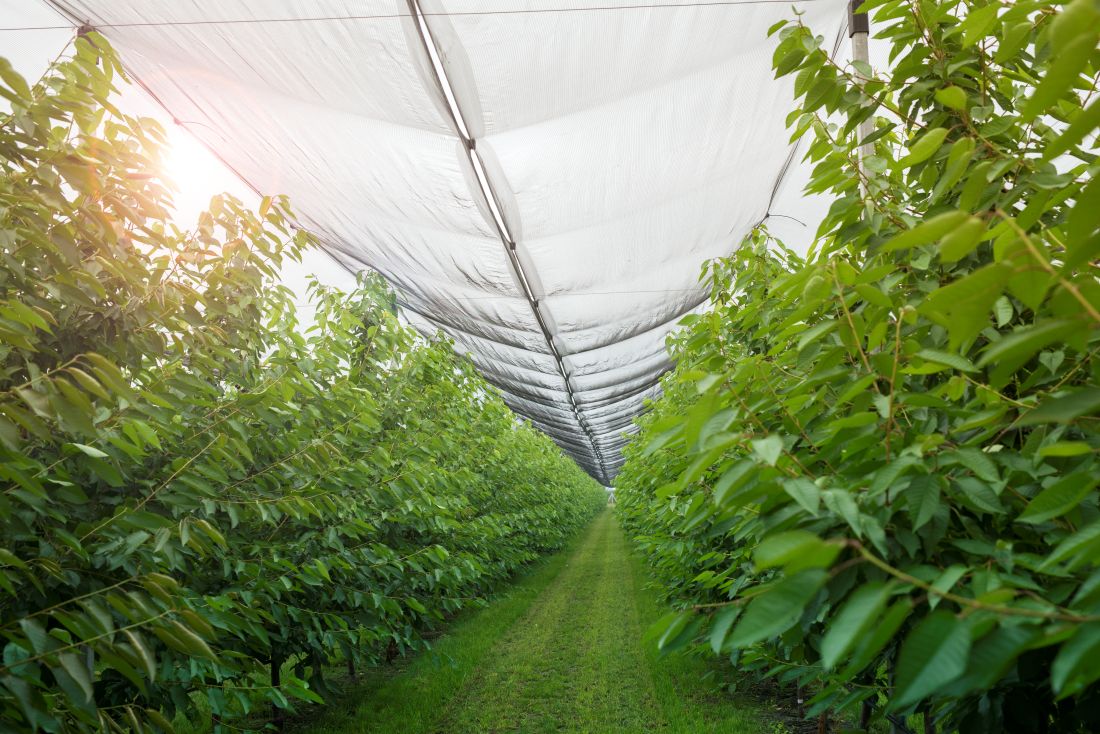
A shade net does not block sunlight completely. It filters it. Depending on the density — 35%, 50%, 75%, or 90% — the net reduces the intensity of sunlight while still allowing air, moisture, and the right amount of light to pass through.
The microclimate effect
Under a shade net, temperatures can be 4°C to 7°C lower than outside. Soil moisture stays intact longer. Wind speed reduces, which means less evaporation. The result is a growing environment that is significantly less stressful for the plant.
Choosing the right density matters
- 35% shade net — for crops needing full sun with mild protection. Good for open fields in moderate summer regions.
- 50% shade net — the most widely used. Suitable for vegetables, chilies, tomatoes, and most nursery plants.
- 75% shade net — for delicate plants, flower cultivation, and areas with extremely high temperatures.
- 90% shade net — mainly used for non-agricultural purposes like parking, construction sites, or sheltering livestock.
For shade net for nursery setups, 35% to 50% density works best for young seedlings that need protection without being cut off from sunlight entirely.
What Good Shade Net Manufacturers Are Doing Differently
Not all shade nets perform the same way. The difference lies in material quality, UV stabilisation, and how the net is built.
Material quality is everything
Reputable shade net manufacturers now use 100% virgin HDPE material with UV-stabilised treatment. Cheaper nets made from recycled material degrade within one or two seasons — the UV coating breaks down, the net becomes brittle, and shading becomes inconsistent. A farmer investing in such a net ends up spending more in the long run.
Build quality for Indian weather conditions
Better manufacturers focus on:
- Reinforced edges so the net holds shape in strong winds and heavy rains
- Consistent weave density for uniform shading across the entire net
- Region-specific options suited to local humidity, rainfall, and crop types
Shade net green Kolkata and surrounding eastern India markets now have access to nets designed specifically for local growing conditions — something that was much harder to find even a few years ago.
The rope matters as much as the net
A net that lasts five years attached to a rope that breaks in one season defeats the purpose. Quality shade net rope is made from UV-treated HDPE braid, built to handle the same weather the net is exposed to. It needs to hold firm through rain, wind, and heat without snapping or losing grip on the frame structure.
Simple Installation Tips for Farmers
Getting the net right is only half the job. Installation decides how well it actually works.
- Always install the net at least 1.5 to 2 feet above the plants for proper air circulation
- Secure all edges and corners tightly using good quality shade net rope
- For shade net for nursery setups, ensure the structure is stable enough to handle wind pressure
- Check for any tears or loose ends before the summer season begins
- In high-wind areas, use additional rope support along the sides
Protect Your Crop This Season — Before the Heat Takes Over
Heat stress does not wait. And neither should your crop protection plan.
Neha Mulch Film manufactures shade nets using 100% virgin UV-stabilised HDPE material — built for Indian farming conditions, from the fields of West Bengal to the farms of Maharashtra. Whether you need a shade net for nursery, open field vegetable farming, or floriculture, the right solution is available in multiple densities, widths, and colours.
Talk to the Neha Mulch Film team today and get the right shade net for your crop, your region, and your season — before the next heat wave arrives.
Frequently Asked Questions
Does shade net really reduce crop temperature?
Yes. A good quality shade net can lower the temperature underneath by 4°C to 7°C compared to open field conditions. This directly reduces heat stress and helps crops grow better during peak summer.
Which shade net percentage is best for vegetables in India?
For most vegetables like tomatoes, chilies, and capsicum, a 50% shade net works well. In very hot regions, 75% can be used during the peak summer months.
How long does a shade net last?
A shade net made from 100% virgin HDPE material with UV stabilisation lasts 5 to 8 years with proper care. Nets made from recycled or low-quality material may not survive even two seasons.
Can shade nets be used for nursery plants?
Yes, and they work very well. A 35% to 50% shade net for nursery use protects young seedlings from harsh sunlight while allowing enough light for healthy growth.
What is shade net rope used for?
Shade net rope is used to tie and secure the shade net to the frame or support structure of a shade house. Good quality UV-treated HDPE shade net rope keeps the net firmly in place even during strong winds and rain.