
What Is Plastic Mulching?
Plastic mulching means covering the soil around crops with a thin film. The film acts as a protective skin: it blocks weeds, holds moisture and shields the soil from rain impact. Plants grow through small holes cut at planting spots.Common Types of Mulch Film
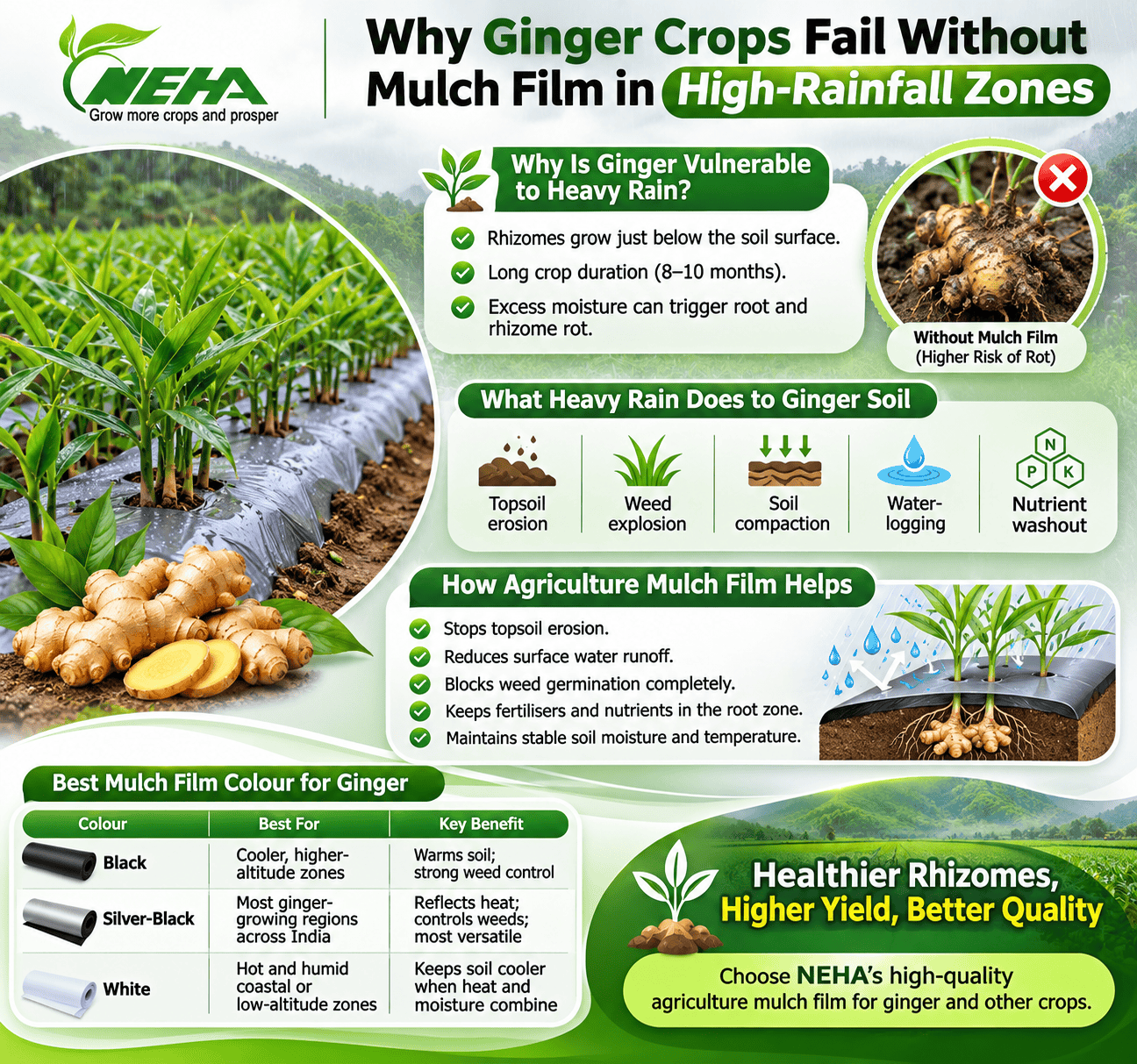
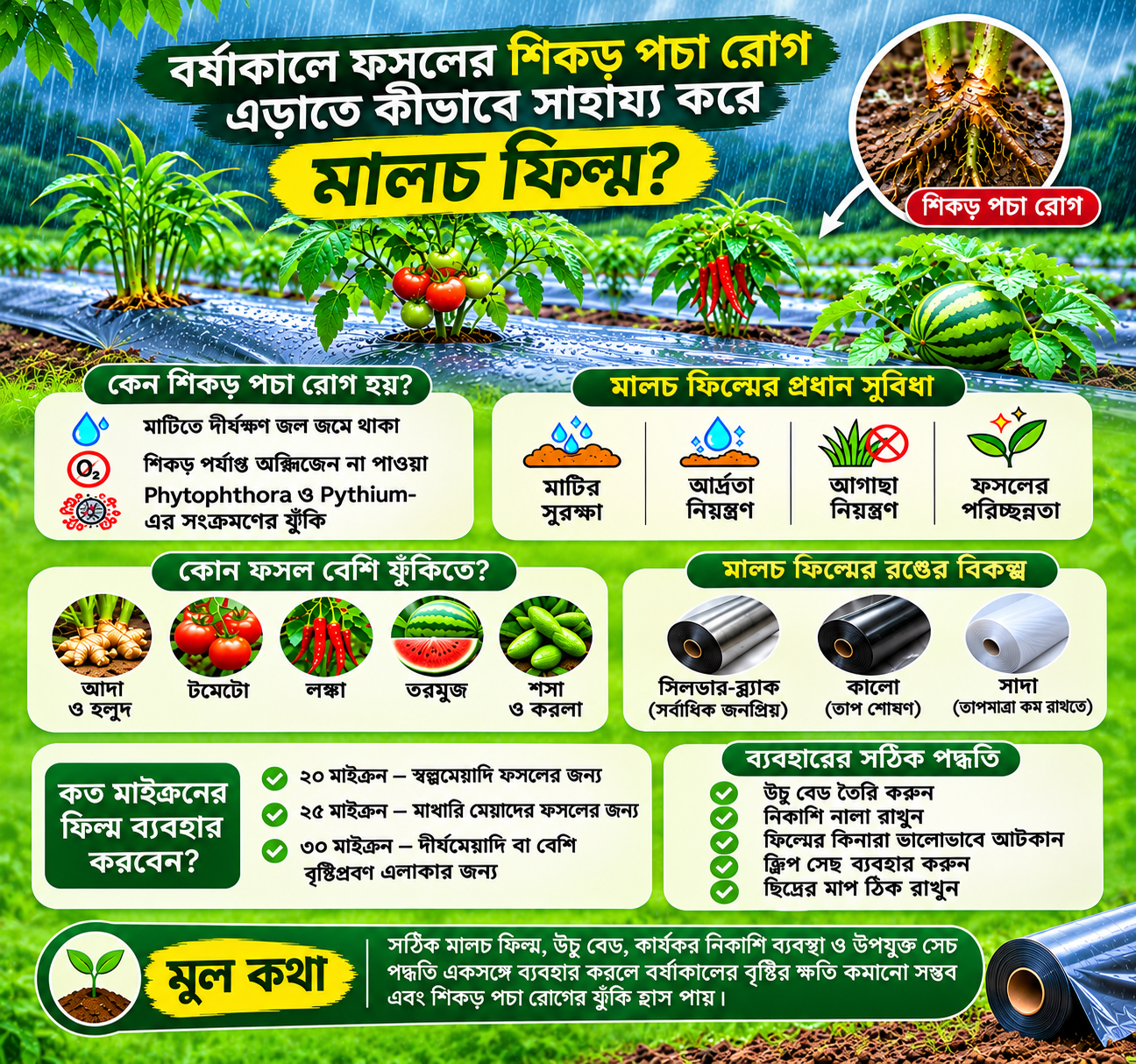
- Black film: blocks sunlight, so weeds struggle to grow. The most popular choice for vegetables.
- Silver/black film: reflects light, which helps keep certain insects away and keeps soil cooler.
- Clear film: warms the soil quickly and is used in cooler conditions, though weeds need separate control.
- Biodegradable film: breaks down after the season, which suits farmers who want less plastic left behind.
Why Farming Costs Stay High in Meghalaya
The region’s natural advantages come with practical challenges:- Intense monsoon rain that causes soil erosion and nutrient loss
- Sloping and terraced fields that are hard to manage
- Naturally acidic soils where nutrients wash out quickly
- Small landholdings, so every rupee spent matters
- Rising labour charges for repeated weeding
How Mulch Film Reduces Farming Costs
1. Less Weeding Labour
Weeding is among the biggest recurring expenses. Black film cuts off the light weeds need, so far fewer of them grow. That means fewer labour days and healthier plant roots.2. Smarter Water Use
The film slows evaporation, so soil stays evenly moist for longer. Farmers often water less frequently, which matters during dry spells and on slopes where water runs off quickly.3. Fertiliser Stays Where It Belongs
Rain on bare soil flushes nutrients away. Under film, fertilizer stays near the roots, so crops use more of what you paid for.4. Better Yield and Quality
Stable soil moisture and temperature help plants grow evenly. Fruits and vegetables also stay clean because they don’t touch wet soil, which reduces rot and improves market value.5. Soil Protection
On hilly land, film reduces the direct force of raindrops on soil. Less erosion means the topsoil you have built stays in your field.Crops That Respond Well to Mulching
Mulch film works best with crops grown in rows or beds:- Tomato, chilli, capsicum and brinjal
- Cabbage and cauliflower
- Ginger and turmeric
- Strawberry
- Cucumber, pumpkin and other vine crops
How to Choose the Right Mulch Film
Not all films perform the same. Before buying, check these points:- Thickness: around 25-30 microns suits most vegetable crops. Thicker film lasts longer but costs more.
- Width: match it to your bed width to avoid waste.
- UV protection: essential, as strong sunlight weakens poor-quality film.
- Strength: the film should resist tearing during laying and wind.
- Perforation: pre-punched holes save time and keep plant spacing accurate.
How to Lay Mulch Film on Hilly Land
- Prepare raised beds with fine, level soil. Raised beds also help rainwater drain away.
- Lay drip tubing or plan watering before covering the bed.
- Stretch the film tight over the bed, without wrinkles.
- Bury the edges 10-15 cm in soil so wind cannot lift it.
- Make planting holes and set seedlings.
- Keep drainage channels clear between beds so rain doesn’t pool.
Is It Really Affordable?
There is an upfront cost, and honesty matters here. Film, laying labour and sometimes drip lines must be paid for before the harvest. But the return comes from:- Lower weeding and watering costs
- Reduced fertiliser loss
- Higher, cleaner, more marketable produce
Mistakes to Avoid
- Using very thin film that tears in wind and rain
- Leaving the film loose, which lets weeds and wind in
- Skipping drainage channels in heavy-rain periods
- Choosing a film colour that doesn’t suit the crop
- Leaving old film in the field, which harms the soil