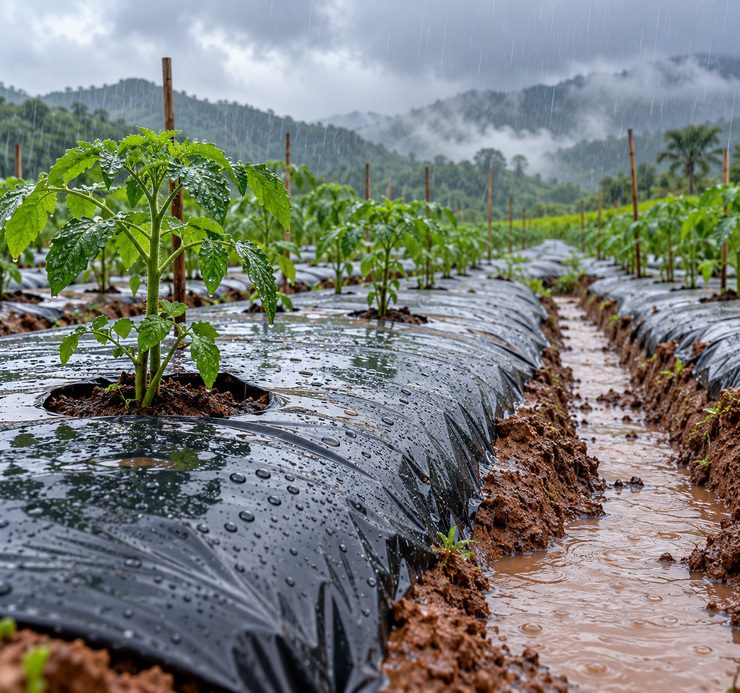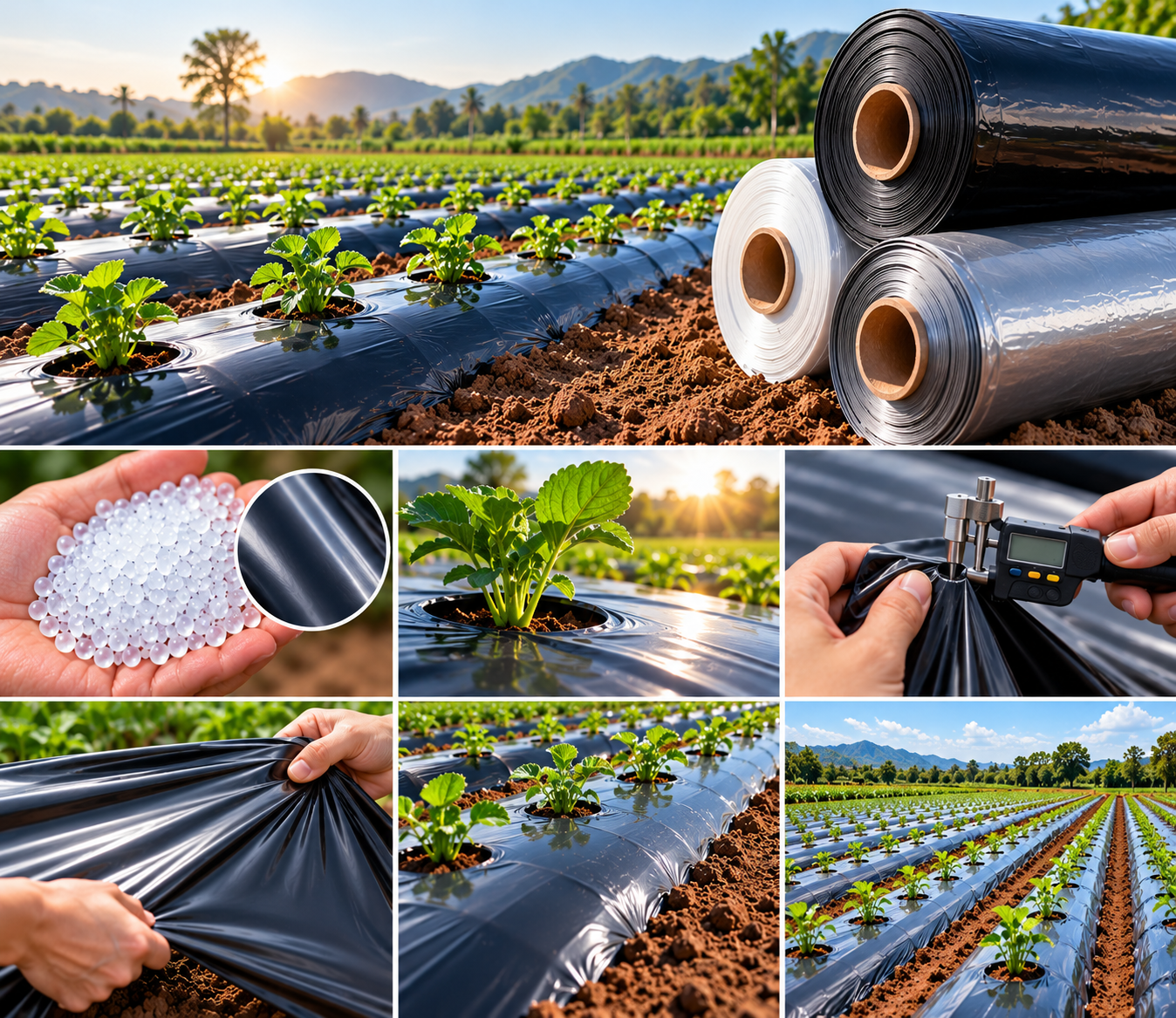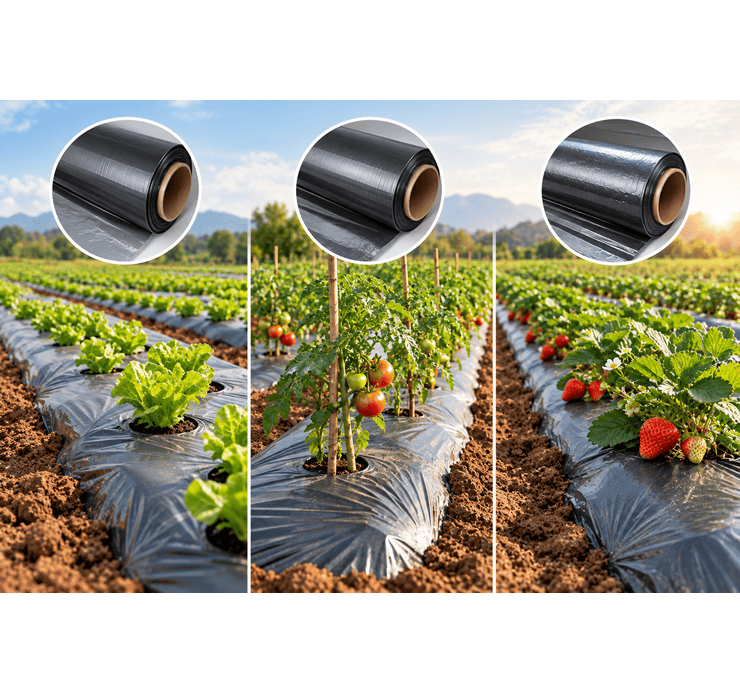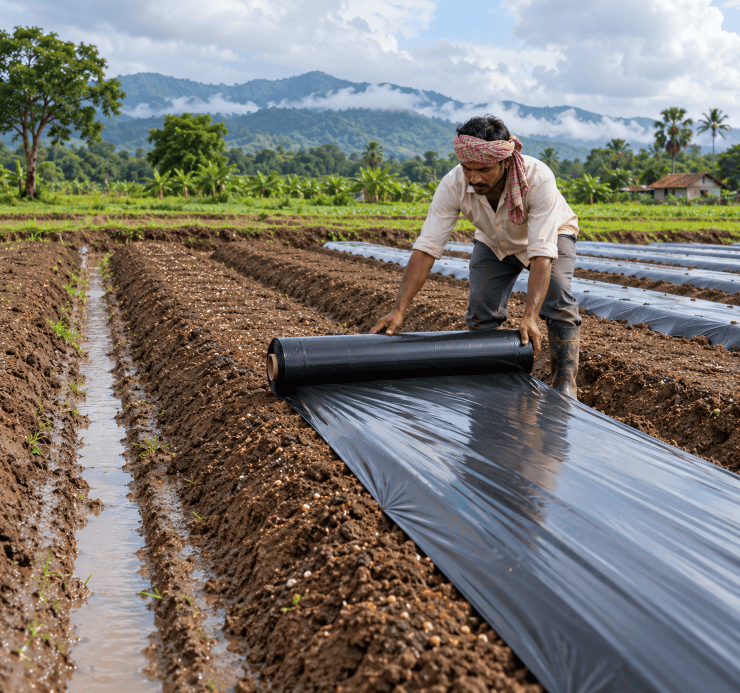
Plastic mulch films have become an important part of modern farming. Farmers across India use them to conserve soil moisture, suppress weeds, regulate soil temperature, and improve crop yields. From vegetable farming to plantation crops, plastic mulch helps create a more controlled and productive growing environment.
However, once the crop cycle ends, farmers often face an important question:
What should be done with the used plastic mulch film?
Improper disposal of agricultural plastic waste can create environmental problems. If mulch films are burned, buried, or left in fields, they may contribute to soil pollution and waste accumulation. Fortunately, there are responsible and eco-friendly ways to manage mulch film waste.
In this article, we explore five sustainable ways farmers in India can dispose of and recycle plastic mulch films while protecting the environment and maintaining healthy farming practices.
Why Proper Disposal of Plastic Mulch Film Matters
Plastic mulch films play a useful role during the crop cycle, but responsible management after use is equally important. Proper disposal and recycling help farmers:
- Prevent plastic waste from accumulating in farmland
- Protect soil quality and nearby water sources
- Reduce environmental pollution
- Support sustainable agricultural practices
- Contribute to recycling initiatives in rural areas
As agricultural plastic usage grows in India, developing better waste management habits becomes more essential for long-term sustainability.
In modern Indian agriculture, Plastic Mulch Film has become a game-changer for crops like tomatoes, chillies, and watermelons. It saves water, stops weeds, and boosts yields. But once the harvest is over, many farmers face a massive question:
What do we do with the leftover plastic?
Sadly, the common practice is to either bury it in a corner of the field or burn it. Both methods are "silent killers" for your land. Burning plastic releases toxic dioxins that harm your health and the soil, while buried plastic prevents water from reaching the roots of your next crop.
At Neha Mulch Film, we believe in sustainable farming. Here are 5 eco-friendly ways to manage your used mulch and keep your soil healthy for the next season.
1. The "Clean & Bundle" Method for Recyclers
Most mulch films are made from Linear Low-Density Polyethylene (LLDPE), which is 100% recyclable. However, recyclers won't take it if it’s covered in 50% mud and stones.
- The Process: After the final harvest, lift the film when the soil is slightly moist (it comes out cleaner).
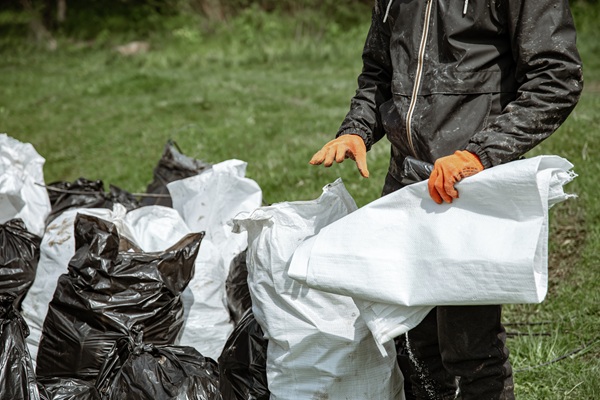
- The Action: Shake off the excess soil, let it dry, and bundle it tightly.
- Why it works: Clean, dry plastic bundles have a higher market value. You might even find local Kabadiwalas or plastic aggregators willing to pay you for this "waste."
2. Connect with Local Plastic Collection Centers
Under the Extended Producer Responsibility (EPR) guidelines in India, more plastic waste management centers are opening in rural hubs.
- What to do: Check with your local Gram Panchayat or Krishi Vigyan Kendra (KVK) for the nearest authorized plastic collection point.
- The Benefit: These centers ensure the plastic is sent to industrial shredders and processed into granules, keeping it out of our rivers and landfills.
3. Support the "Circular Economy" (Secondary Products)
Did you know your old mulch film can "come back to life" as a different farm tool? In the circular economy, recycled LLDPE is used to manufacture:
- LDPE Irrigation Pipes: Many low-pressure drip lines are made from recycled agricultural plastic.
- Plastic Lumber: Used for fencing or making crates.
- Waste-to-Oil: Some specialized plants in India are now converting non-recyclable agricultural plastic into industrial fuel.
4. Mechanized Removal to Prevent "Soil Ghosting"
"Soil Ghosting" happens when thin mulch tears into tiny fragments that stay in the soil forever. This creates a barrier that prevents roots from growing deep.
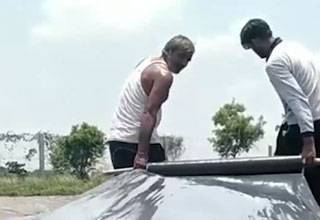
- Eco-Friendly Tip: If you have a large farm, consider using a Mulch Retriever (tractor attachment). It pulls the entire sheet out in one piece.
- Why it's sustainable: By ensuring 100% of the plastic is removed, you maintain the "porosity" of your soil, ensuring your next crop doesn't suffer from stunted growth.
5. Transition to Higher Micron Films for Reusability
While 20-micron film is common, many progressive farmers are switching to 25 or 30-micron Neha Mulch Films for long-duration crops.
- The Strategy: Thicker films are more durable and less likely to shred.
- The Eco-Win: Because they stay intact, they are much easier to pull up and recycle than thin, low-quality films that disintegrate into microplastics.
Common Mistakes Farmers Should Avoid
While disposing of plastic mulch films, some practices should be avoided because they harm the environment.
Burning Plastic Mulch
Burning plastic releases harmful gases that affect air quality and human health.
Leaving Plastic in the Field
Plastic fragments left in the soil may gradually break down into microplastics, which can affect soil structure.
Mixing Plastic Waste With Organic Waste
This makes recycling difficult and increases landfill waste.
Avoiding these practices helps protect farmland and surrounding ecosystems.
High-Quality Mulch Films Help Reduce Farm Plastic Waste
Not all mulch films perform the same way. High-quality mulch films are designed to provide better durability and longer usability, which reduces waste generation.
As a trusted mulch film manufacturers in Kolkata, we focus on:
- strong material strength
- uniform thickness
- resistance to tearing
- ease of removal after crop cycles
These qualities allow farmers to manage mulch films more efficiently after harvest.
Go for Sustainable Farming With Neha Mulch Film— Your Soil is Your Wealth
Managing farm waste isn't just about being "green"—it’s about protecting your investment. Proper disposal ensures that your soil remains fertile, airy, and productive for the decades to come. By using quality agricultural mulching films, farmers can continue benefiting from mulch technology, can improve productivity while also protecting the environment.
FAQs
1. Can plastic mulch films be recycled in India?
Yes. Many recycling facilities accept agricultural plastic waste, including mulch films. Farmers should clean and bundle the used plastic before sending it to authorized recycling centers.
2. Is it safe to burn used plastic mulch films?
No. Burning plastic releases harmful chemicals into the air and can negatively impact health and the environment.
3. How can farmers reduce plastic waste from mulch films?
Farmers can reduce waste by choosing durable mulch films, reusing them when possible, and sending used films to recycling programs.
4. Are biodegradable mulch films available in India?
Yes, biodegradable mulch options are gradually becoming available, although availability may vary by region.
5. Why should used mulch films be cleaned before recycling?
Removing soil and plant debris improves the chances that recycling facilities will accept the plastic and process it effectively.