Why Monsoon Is Trickier Than It Looks for Nurseries
Most people assume rain is good news for plants. It is, but only up to a point. During monsoon, nurseries face a mix of problems that don't show up in other seasons:- Sudden heavy downpours that beat down delicate seedlings
- Waterlogging that suffocates roots
- Strong winds that snap young stems
- Patchy sunlight one day, none the next
- Fungal growth due to excess moisture and humidity
What a Shade Net Actually Does
A shade net is not just about blocking sunlight. During monsoon, its role shifts.Controls the Intensity of Rain
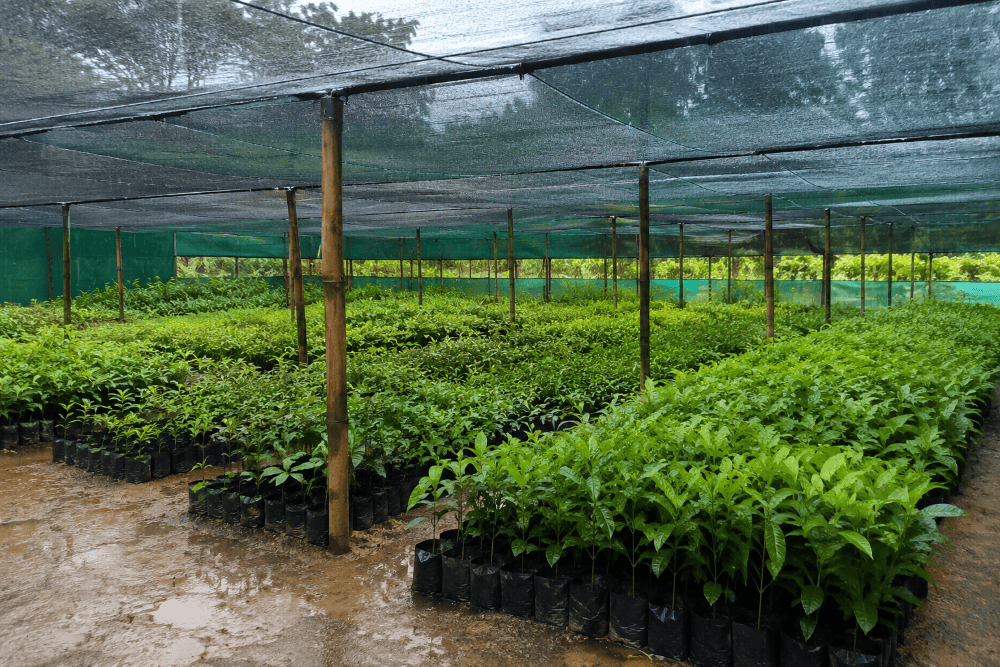
Instead of letting raindrops hit plants directly with full force, a shade net breaks their impact. This protects tender leaves and stems from bruising or snapping.Manages Light, Not Just Heat
Even during monsoon, sunlight can turn harsh between showers. A shade net evens out this light, so plants aren't shocked by sudden bright spells after continuous cloud cover.Improves Air Circulation
Good quality shade nets allow airflow while still offering protection. This reduces the damp, stagnant conditions that invite fungal diseases.Reduces Soil Erosion
Uncontrolled rain washes away topsoil and nutrients. A shade net slows down water flow, helping soil and moisture stay where they're needed.Is a Shade Net Really Useful During Monsoon? The Honest Answer
Yes, and the reasons come down to simple, observable results. Nurseries that skip shade nets during monsoon often report:- Higher seedling mortality rates
- Slower recovery after heavy rain spells
- More fungal and root-rot issues
- Increased labor cost for replanting damaged stock
Choosing the Right Shade Net for Monsoon Use
Not every shade net works the same way. Monsoon-specific needs are different from summer needs.Shade Percentage Matters
For monsoon, a 35% to 50% shade net usually works best. Too dense, and plants won't get enough light on cloudy days. Too thin, and rain impact isn't reduced enough.Material Quality Decides Durability
Rain, humidity, and wind together are tough on cheap material. Look for:- UV-stabilized HDPE material
- Strong knitting that resists tearing
- Proper hemming on edges to prevent fraying
Drainage-Friendly Setup
The net should be installed with a slight slope or proper structure so water doesn't collect and sag the fabric. This is also why picking the right shade net manufacturer matters more than people initially think. A well-made net can last several seasons, while a poorly made one may tear within one monsoon.Common Mistakes Nursery Owners Make
Even well-intentioned nursery owners get this wrong sometimes.Installing It Too Late
Waiting until the first heavy rain to install shade nets often means losing a batch of seedlings before protection is even in place.Choosing the Wrong Shade Percentage
Using a summer-grade dense net during monsoon can starve plants of light on overcast days.Ignoring Structural Support
A shade net is only as good as the frame holding it. Weak poles or loose fixing can collapse under water weight during heavy showers.Not Checking for Certification or Quality Standards
Skipping this step often leads to buying a net that degrades within one season, forcing repeat expenses.How to Get the Most Out of Your Shade Net This Monsoon
A few simple practices extend the life and effectiveness of your setup:- Clean accumulated debris and leaves regularly
- Check for sagging after heavy rainfall
- Inspect for early signs of tearing near edges
- Ensure proper anchoring at all four corners
- Store spare nets in a dry place for quick replacement if needed
Final Thoughts
Monsoon doesn't have to be a season of losses for nurseries. With the right shade net for nursery protection, young plants get exactly what they need: controlled light, reduced rain impact, and better airflow, all without the guesswork. If you're looking for durable, monsoon-ready shade nets built to handle real growing conditions, Neha Mulch Film, a trusted shade net manufacturer, brings years of manufacturing expertise straight to your nursery. Talk to our team today and protect this season's crop before the next downpour hits.Frequently Asked Questions
- Does a shade net really help during heavy rain, or is it only for sunlight?
- What percentage of shade net is best for the monsoon season?
- Can a shade net stop water from collecting on plants?
- How long does a good shade net usually last?
- Is a shade net only useful for big nurseries, or can small ones use it too?