In today’s world of modern farming, biodegradable mulch films are gaining attention for all the right reasons. With growing environmental concerns and the urgent need for sustainable practices, these films offer a smart alternative to traditional plastic mulch.
Whether you’re a small-scale grower or a large agri-business, this simple change can make a lasting impact. But what are biodegradable mulch films, and why are they important for farmers? Let us explore this eco-friendly solution that’s transforming agriculture one field at a time.
Why Farmers Are Talking About Biodegradable Mulch Films
Farmers face growing pressures:
- Disposal issues from traditional plastic mulch
- Environmental regulations encouraging eco-friendly practices
- Rising interest in regenerative agriculture
Biodegradable mulch films are made from plant-based materials that decompose naturally in soil, reducing waste. This is why they’re increasingly featured in discussions about sustainable farming, even though most farms still rely on plastic mulch films for durability and proven performance.
What Are Biodegradable Mulch Films?
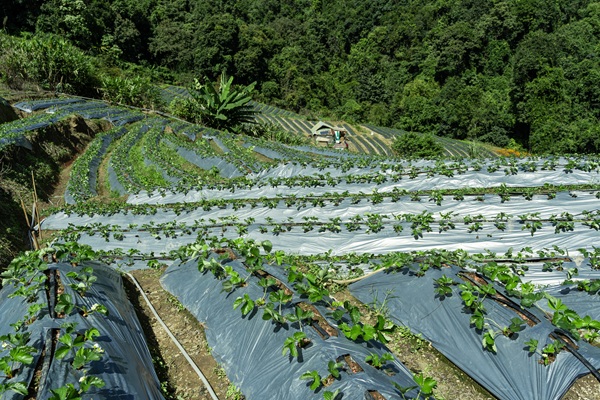
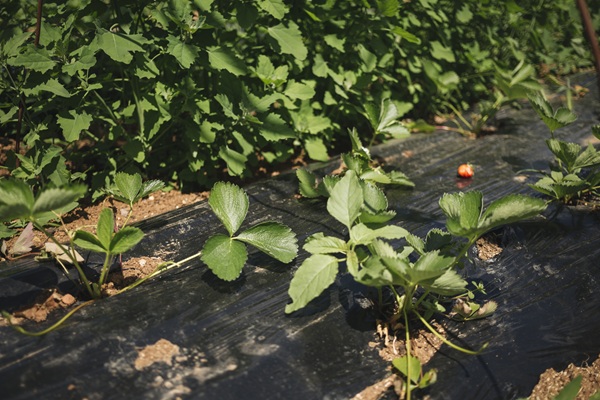
Biodegradable mulch films function like traditional plastic mulch, covering soil to:
- Suppress weeds
- Conserve moisture
- Regulate soil temperature
The key difference is that these films break down naturally, adding organic matter to soil and reducing disposal concerns. Common materials include:
- Starch-based films: Corn or potato starch, cost-effective and fast-degrading.
- PLA-based films: Strong, long-lasting, derived from sugarcane or corn.
- Paper-based mulch: Fully compostable, ideal for short-cycle crops.
These options give farmers insight into sustainable practices without implying that the client sells them.
Why Biodegradable Mulch Films Are Becoming Popular
Environmental concerns are driving interest:
- Plastic waste reduction: Less pollution and simpler disposal.
- Labour savings: No need to remove films post-harvest.
- Soil health: Adds organic matter, improving structure and fertility.
Even so, plastic mulch films remain popular for long-term durability, cost efficiency, and proven effectiveness under extreme weather conditions. Understanding biodegradable alternatives allows farmers to make informed choices.
Key Benefits of Using Biodegradable Mulch Films
1. Environmentally Friendly
The biggest advantage of biodegradable mulch is its ability to decompose. Once the growing season ends, the film starts breaking down into natural elements. There is no need for removal or special disposal methods. This helps reduce farm waste and pollution, making it a sustainable choice.
2. Saves Time and Labour
Removing plastic mulch is a time-consuming and costly job. With biodegradable films, farmers can save both time and labour. After the crop cycle, the film decomposes on its own. This reduces the number of workers needed and lowers operating costs.
3. Improves Soil Health
As biodegradable mulch breaks down, it adds organic content to the soil. This can improve soil structure and fertility over time. Healthier soil means stronger roots, better crop growth, and higher yields.
4. Weed Control and Moisture Retention
Just like plastic mulch, biodegradable mulch helps suppress weed growth. It also locks in moisture, keeping the soil cool and reducing the need for frequent watering. This is especially helpful in dry or drought-prone areas.
5. Reduces Use of Chemicals
By limiting weed growth naturally, these films reduce the need for herbicides. Healthier soil also means fewer pests and diseases, so farmers can cut back on chemical pesticides, too. This results in cleaner, safer crops.
Types of Biodegradable Mulch Films
There are different types of biodegradable mulch films available today. Each has its own strengths and is suited for different farming needs:
- Starch-Based Films: Made from corn or potato starch, these are cost-effective and break down quickly.
- PLA-Based Films: Derived from sugarcane or corn, they are strong and long-lasting.
- Paper-Based Mulch: Ideal for short-cycle crops. It’s fully compostable and adds carbon to the soil.
Farmers should choose the type based on their crop, climate, and soil conditions.
When and How to Use Biodegradable Mulch Films
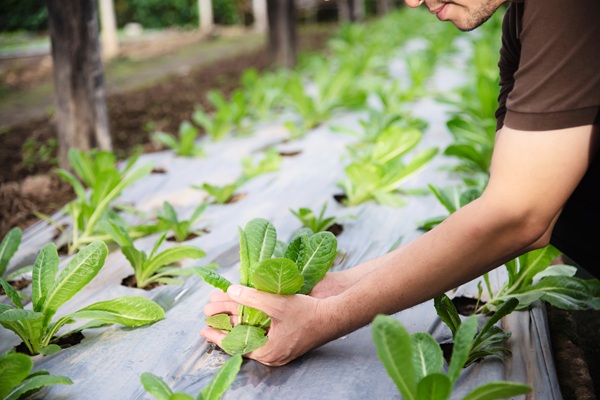
Biodegradable mulch films can be used for a wide range of crops, including vegetables, fruits, and flowers. Installation is similar to plastic mulch. You can use manual laying methods or mulch-laying machines.
For best results:
- Lay the film on well-prepared soil
- Ensure proper soil contact for faster degradation
- Do not remove the film after harvest — let nature do its job
Always follow the manufacturer's instructions to get the most out of the product.
Is Biodegradable Mulch Worth the Cost?
Some farmers worry about the higher price of biodegradable mulch compared to plastic. But the savings on labour, disposal, and environmental costs often balance it out. Plus, many regions offer subsidies or grants for eco-friendly farming methods.
In the long run, investing in biodegradable mulch pays off through better soil health, lower pollution, and a cleaner planet.
Curious about biodegradable mulch films and how they compare to traditional plastic mulch? Here are answers to common questions that help farmers understand their benefits, limitations, and best practices.
1. Are biodegradable mulch films effective for all crops?
Biodegradable mulch films can be used for vegetables, fruits, and flowers. Their effectiveness depends on crop type, soil conditions, and local climate, so farmers should consider these factors before choosing a film.
2. How long do biodegradable mulch films last?
Most biodegradable films last for one growing season, usually 2–5 months. Duration varies based on material type, soil conditions, and weather, so timing and crop cycle should be considered carefully.
3. Are biodegradable mulch films safe for the environment?
Yes, they are eco-friendly. Unlike plastic mulch, biodegradable films decompose naturally into soil, reducing waste and pollution while supporting sustainable farming practices without harming soil health.
Grow Smarter with Neha Mulch Film
Biodegradable mulch films are an informative glimpse into sustainable farming trends. Meanwhile, durable plastic mulch films continue to protect crops, conserve water, suppress weeds, and improve yields.
At Neha Mulch Film, one of the leading mulch film manufacturers in Kolkata, farmers get expert guidance on high-quality plastic mulch solutions, ensuring reliable, efficient, and crop-specific protection. Staying informed about biodegradable alternatives allows growers to make smarter decisions for both productivity and sustainability.