Modern farming increasingly relies on smarter techniques that improve crop yield while conserving resources. Two technologies that work exceptionally well together are mulch film and drip irrigation. When used together, these methods create an efficient growing environment that supports healthier plants, better water management, and improved farm productivity.
Farmers across different regions now adopt this combination to achieve consistent results in vegetable farming, fruit cultivation, and greenhouse agriculture. Understanding how these systems complement each other can help growers make better decisions for their farms.
Understanding Mulch Film in Agriculture
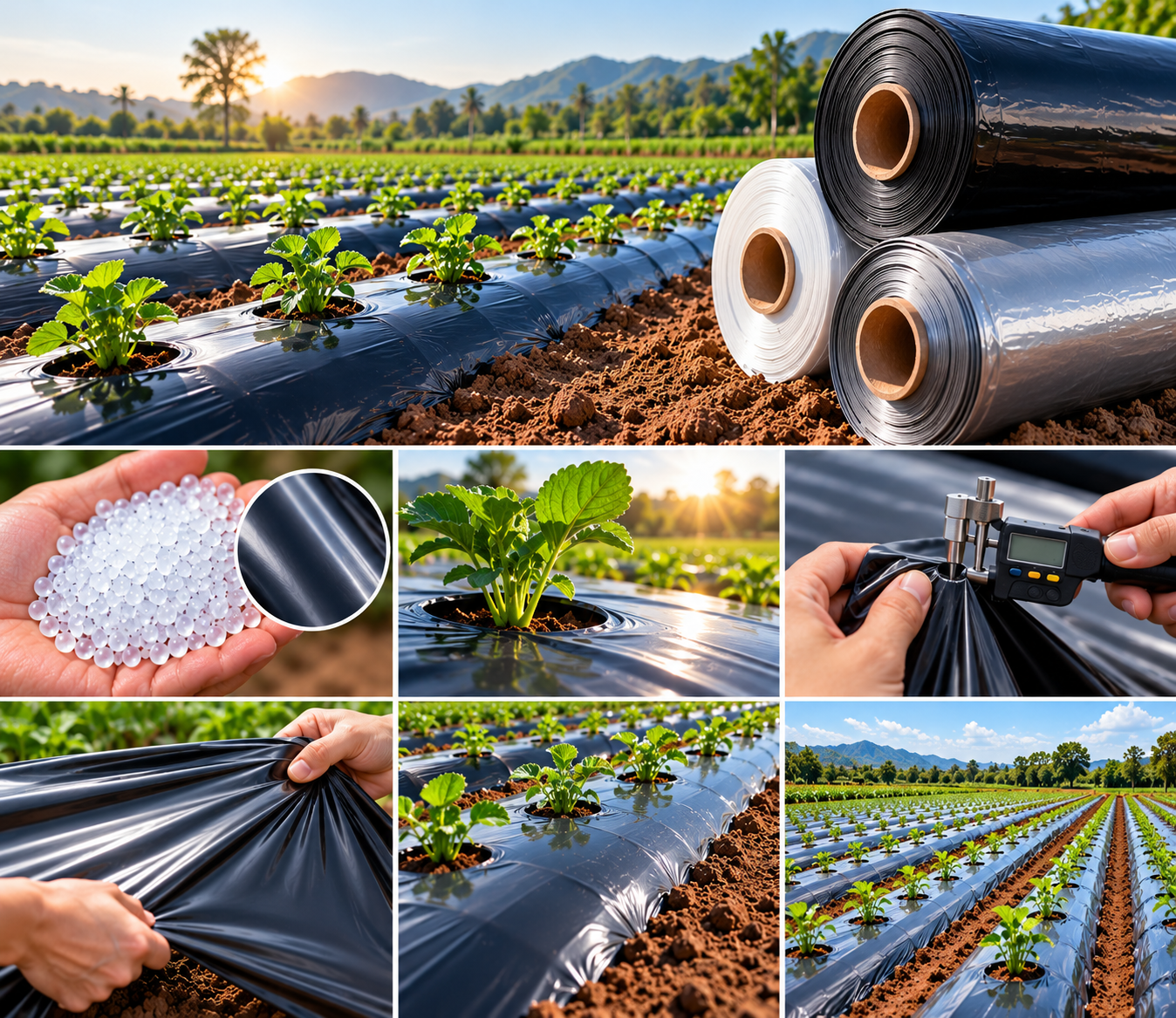
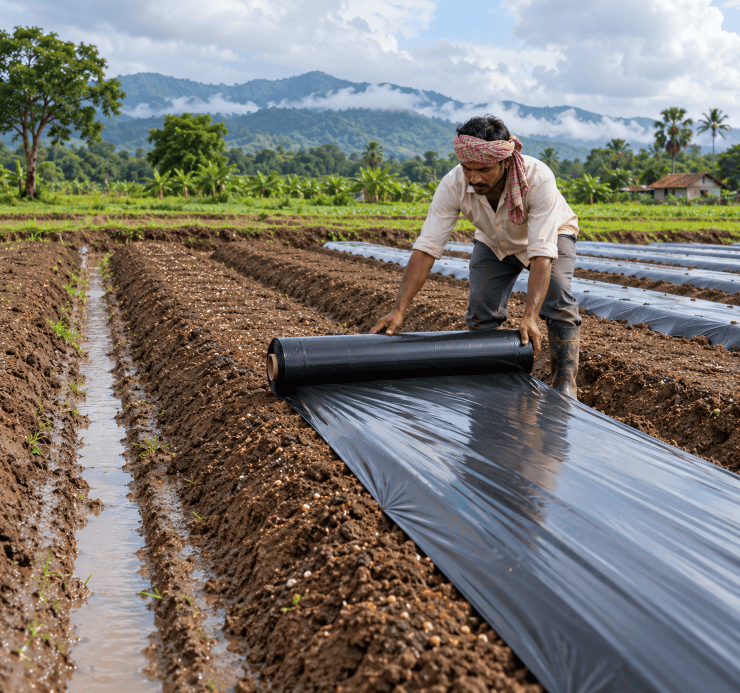
Mulch film is a protective layer placed on the soil surface around crops. It helps regulate soil temperature, retain moisture, and prevent weed growth. Today, many farms rely on agricultural mulching films to improve the growing conditions of crops such as tomatoes, strawberries, cucumbers, watermelon, and peppers.
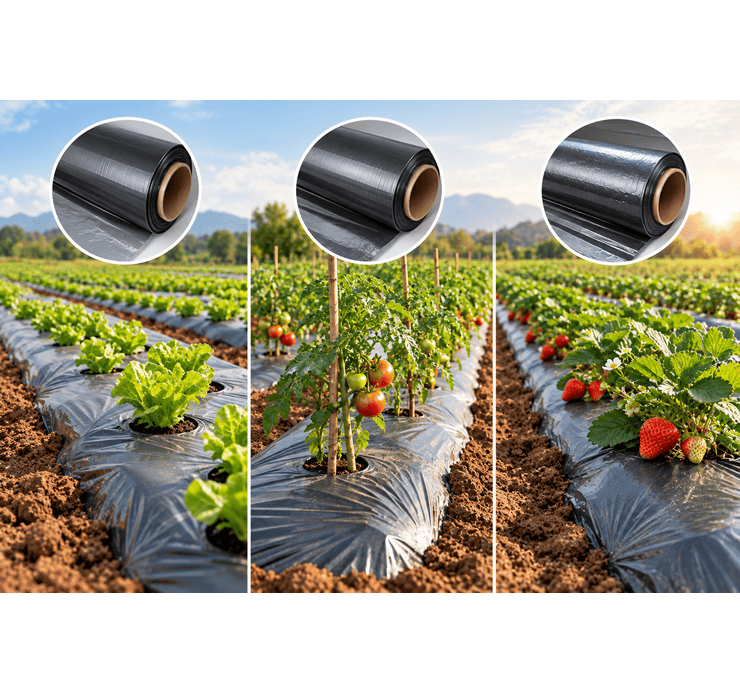
Several mulch manufacturing companies produce different types of mulching films, including black mulch, silver-black mulch, and biodegradable mulch films. Each type serves a specific purpose depending on crop requirements and environmental conditions.
Farmers often prefer plastic mulch manufacturers that provide high-quality materials with good durability and UV stability. These features help the films last throughout the crop cycle while maintaining soil health.
What Is Drip Irrigation?
Drip irrigation is a precise watering method that delivers water directly to the root zone of plants through a network of pipes and emitters. Instead of flooding the entire field, this system supplies water slowly and consistently.
This technique significantly reduces water waste and ensures that plants receive moisture exactly where they need it. In regions where water conservation is essential, drip irrigation has become a valuable farming solution.
Why Mulch Film and Drip Irrigation Work So Well Together
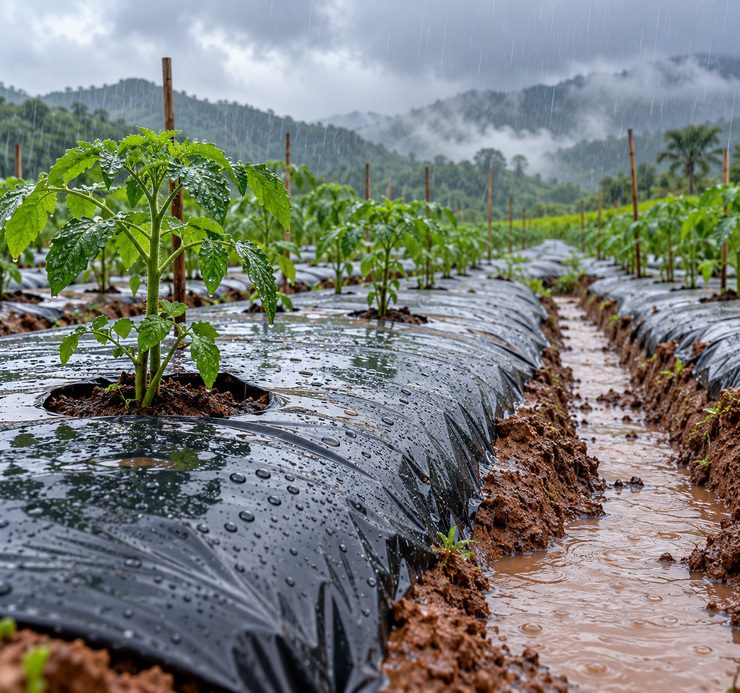
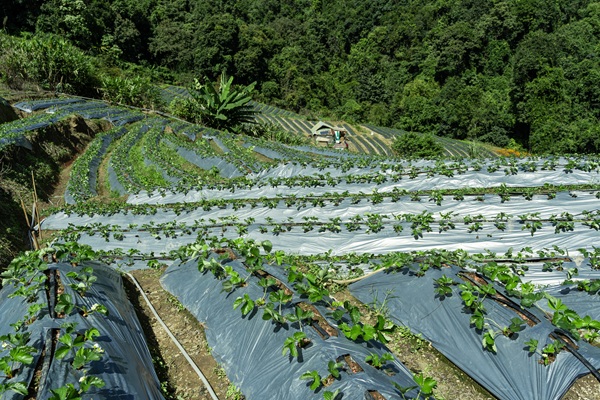
When farmers combine mulch films with drip irrigation, the benefits multiply. The mulch film covers the soil surface while the drip line sits underneath the film. This setup creates an ideal environment for plant growth.
The film prevents water evaporation from the soil, while the drip system provides controlled irrigation. Together, they maintain optimal soil moisture levels for crops.
Many experienced farmers report improved crop health and higher productivity when they use this combined approach.
Improved Water Efficiency
Water management remains one of the biggest challenges in agriculture. Drip irrigation already reduces water wastage, but when paired with mulching films, the results improve further.
The film acts as a barrier that prevents moisture from escaping into the air. As a result, more water stays in the soil for plant roots to absorb.
This approach helps farmers use water more efficiently, which becomes especially important in regions that experience irregular rainfall.
Better Weed Control
Weeds compete with crops for nutrients, sunlight, and water. Without proper management, they can significantly reduce farm productivity.
Mulch films create a physical barrier that blocks sunlight from reaching weed seeds in the soil. Without sunlight, most weeds cannot grow.
By controlling weeds naturally, farmers reduce the need for chemical herbicides and save time on manual weeding.
Healthier Soil Temperature
Maintaining the right soil temperature helps plants grow faster and stronger. Agricultural mulching films help regulate soil warmth by trapping heat during cooler periods and protecting the soil from extreme conditions.
This temperature stability encourages stronger root development and improves nutrient absorption. As a result, crops grow more uniformly throughout the field.
Higher Crop Yield and Quality
The combination of mulch film and drip irrigation directly influences crop productivity. Plants grow in a stable environment with controlled moisture, reduced weed competition, and improved soil conditions.
This leads to healthier plants and higher yields. Many farmers also report improved crop quality, including better size, colour, and uniformity.
For commercial farming operations, this improvement in crop output can significantly increase profitability.
Reduced Soil Erosion and Nutrient Loss
Rainfall and irrigation can sometimes wash away soil nutrients. Mulching films help protect the soil surface and reduce erosion.
Since drip irrigation delivers water slowly and directly to the root zone, it minimizes nutrient runoff. This helps plants absorb more nutrients from the soil and supports better crop growth.
Choosing the Right Mulch Film
Selecting the right film is essential for maximizing farm productivity. Farmers often consider factors such as thickness, UV resistance, and colour when choosing mulch films.
Reliable mulch film suppliers provide guidance on selecting the best film for specific crops and climate conditions. Working with experienced mulch film manufacturers ensures consistent quality and performance in agricultural applications.
In regions such as eastern India, several mulch film manufacturers in Kolkata supply high-quality agricultural films designed for modern farming practices.
The Future of Efficient Farming
Agriculture continues to evolve with new technologies that help farmers increase productivity while protecting natural resources. The combination of agricultural mulching films and drip irrigation represents one of the most effective solutions available today.
This approach not only improves crop yield but also supports sustainable farming practices by reducing water consumption and minimizing chemical usage.
Conclusion
Farmers who aim to improve crop productivity often look for practical solutions that deliver consistent results. The combination of mulch film and drip irrigation provides exactly that.
By conserving water, controlling weeds, maintaining soil temperature, and improving plant growth, this method helps farms achieve higher yields with better resource management.
For growers looking for reliable mulch film manufacturers in Kolkata, working with experienced suppliers can make a significant difference in crop performance. Companies like Neha Mulch Film focus on producing durable agricultural mulching films designed to support modern farming needs.
If you are exploring ways to improve your farm’s productivity, choosing high-quality mulching films from trusted mulch film suppliers can be a smart step toward more efficient agriculture.
FAQs
Yes. Many vegetable farmers use mulch films with drip irrigation because the system provides moisture directly to plant roots while the film prevents water loss.
Crops such as tomatoes, strawberries, capsicum, cucumbers, and watermelon respond very well to this combination because they require controlled moisture and weed protection.
Yes. Mulch film reduces evaporation from the soil, which helps retain moisture. When combined with drip irrigation, farmers often use significantly less water compared to traditional irrigation methods.
Most plastic mulch films last for one crop cycle, usually between three to six months depending on climate conditions and film quality.
Farmers usually consider crop type, soil conditions, film thickness, and climate. Consulting experienced mulch film suppliers helps ensure the right film is selected for the farm.