Mulch films for heat protection are often discussed for temperature control, but farmers in hilly regions face another serious problem. Soil erosion. Heavy rain washes away fertile topsoil. Water runs downhill too fast. Moisture becomes uneven. Crops grow patchily and weakly.
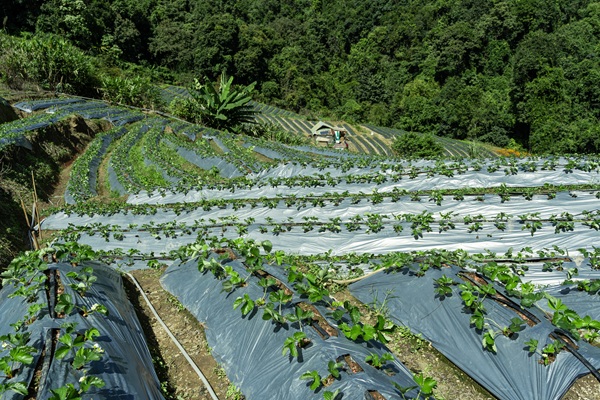
Terraced and slope agriculture requires extra care. The land is productive, but fragile. One heavy rain can undo months of work. This is where agricultural mulch films can support soil stability and water retention in a simple, practical way.
Let’s explore how mulch film terrace farming works and why it matters today.
Why Soil Erosion Is a Serious Challenge in Hilly Farming
Farming on slopes is different from farming on flat land. Gravity works against the farmer.
Common problems include:
- Topsoil washing away during rain
- Uneven water distribution
- Soil nutrients draining downhill
- Exposed roots after heavy showers
Terraces reduce slope angle. But they do not fully stop runoff. When soil remains exposed, rainfall hits directly. The impact breaks soil particles apart. Water then carries them away.
Over time, the land becomes less fertile. Crop yield drops. Farmers must invest more in fertilizers to compensate.
Protecting the soil surface is essential in slope agriculture.
How Mulch Film Helps Prevent Soil Loss on Terraces
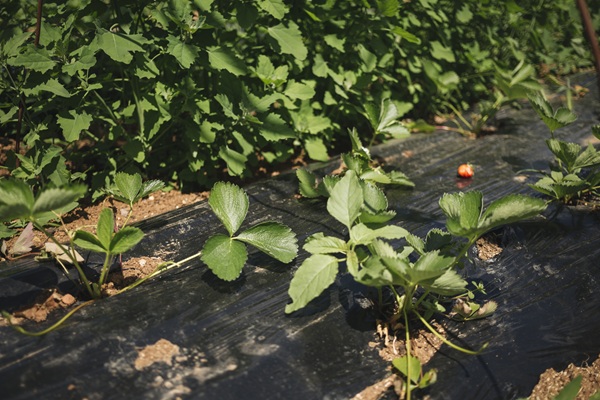
Mulch films act as a protective cover over the soil. This cover reduces the direct impact of rain.
Here’s how they help:
- Shield soil from heavy raindrops
- Slow surface water movement
- Hold soil particles in place
- Reduce splash erosion
When soil remains covered, runoff slows down. Water has more time to seep into the ground instead of flowing away.
This is why searches like “soil erosion control mulch film” are growing. Farmers want practical solutions for climate stress.
Agricultural mulching films create a physical barrier. This barrier protects soil structure without changing farming methods.
How Mulch Film Improves Water Retention in Slope Agriculture
Water management is harder on slopes. Rainwater often runs off before crops can use it.
Mulch film helps improve water balance in three ways:
- Reduces evaporation
- Encourages controlled infiltration
- Maintains even soil moisture
When water moves slowly under the film, roots absorb it better. Soil remains moist for longer periods.
This supports stronger root growth and reduces irrigation needs.
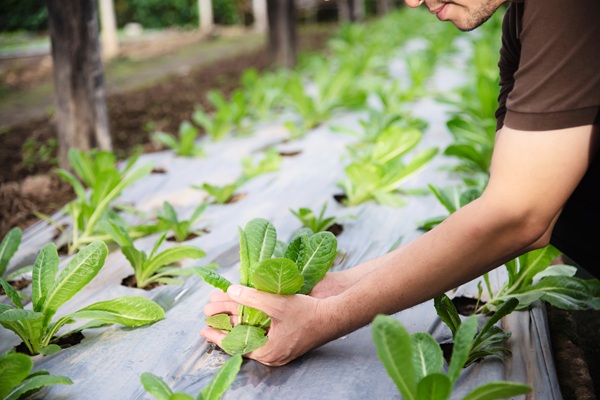
In terraced vegetable farming, consistent moisture is especially important. Crops like tomato, chilli, cucumber, and okra respond well to stable soil conditions.
Mulch Film vs. Bare Soil on Slopes: A Simple Comparison
| Condition | Bare Soil | With Mulch Film |
| Rain Impact | Direct soil damage | Reduced surface impact |
| Runoff Speed | Fast downhill flow | Slower water movement |
| Soil Moisture | Uneven distribution | Balanced retention |
| Nutrient Loss | Higher | Lower |
This comparison shows why mulch film terrace farming is gaining attention.
The goal is not to stop water completely. The goal is to manage it wisely.
Best Crops That Benefit from Mulch Film in Terraced Fields
Slope agriculture often supports horticulture and vegetable crops.
Crops that benefit most include:
- Tomato
- Chilli
- Capsicum
- Cucumber
- Strawberry
These crops require steady moisture and stable root zones. Uneven water supply reduces fruit quality.
Mulch film supports uniform crop growth across terrace levels. It reduces differences between upper and lower beds.
Maize and sunflower grown on gentle slopes can also benefit. Soil retention improves early plant establishment.
Installation Tips for Mulch Film on Slopes
Installing mulch film on terraces requires careful handling. Proper placement ensures better performance.
Here are practical tips:
- Level terrace beds properly before laying film
- Anchor film edges securely with soil
- Avoid loose sections that wind can lift
- Install drip irrigation beneath the film
- Lay film across the contour, not downhill
Lying along the contour slows water movement. This improves infiltration.
In steeper areas, slightly thicker agricultural mulching films may offer better durability.
Simple attention during installation prevents future problems.
Managing Runoff During Heavy Rain
Mulch film works best when combined with good drainage planning.
Farmers can:
- Create small side channels for overflow
- Avoid blocking natural water pathways
- Inspect film after heavy storms
Mulch film is not a replacement for a terrace structure. It is an added layer of protection.
When used correctly, it supports soil health over multiple seasons.
Climate Change and the Rising Need for Slope Protection
Rainfall patterns are becoming more unpredictable. Some regions experience sudden heavy showers. Others face dry spells.
Slope farms are highly sensitive to such changes. Heavy rain leads to erosion. Long dry periods increase soil cracking.
Mulch films for heat protection also help during dry phases. They reduce evaporation and maintain root moisture.
This dual benefit makes agricultural mulching films valuable in climate-smart farming practices.
Farmers are now searching for “mulch film terrace farming” solutions because climate risks are rising.
Small protective measures can prevent long-term soil damage.
A Steady Approach to Terrace Farming Protection
Terraced and slope agriculture demands careful soil management. Exposed soil loses fertility over time. Water runoff reduces crop strength.
Mulch films offer a practical solution. They help stabilize soil. They slow water flow. They improve moisture balance. Most importantly, they protect the root zone.
At Neha Mulch Film, agricultural mulching films are designed for real farming conditions, including challenging terrains. The focus remains on supporting soil stability and crop consistency without complicated systems.
If you farm on terraces or slopes, consider how surface protection affects your soil each season. Exploring mulch film options suited to your terrain may help preserve fertility and improve long-term productivity.
Healthy soil builds resilient farms. And protecting it is always a wise step forward.