Mulch film color plays a bigger role in pollination than many farmers realize. Poor pollination often leads to weak fruit set, uneven size, and lower yields. This is common in crops like grapes, melons, and tomatoes. When flowers bloom, but fruit does not form properly, growers lose both time and income.
Most discussions around agricultural mulching films focus on weeds or moisture control. But light reflection, soil temperature, and insect movement also matter. These factors directly affect flowering and pollination behavior.
Understanding this connection helps farmers make better choices without changing their entire farming system.
Let’s look at how it works.
The Link Between Light Reflection and Pollinator Activity
Pollinating insects respond strongly to light. Bees and other beneficial insects are guided by brightness and reflection patterns. The surface around the plant changes how they move.
Certain agricultural mulching films reflect more sunlight upward. This reflected light improves visibility around flowers. It makes blooms easier for pollinators to detect.
Reflective or light-colored films increase light in the plant canopy. This can improve flower development and timing. When flowering is uniform, pollination improves naturally.
In simple terms, better light balance supports better insect activity.
How Different Mulch Film Colors Influence Flowering
Not all mulch films behave the same way. Color affects soil temperature and light reflection.
Here is how common colors work:
Silver or Reflective Mulch Film
Silver films reflect strong sunlight upward. This improves canopy brightness. It can increase insect visits in crops like tomatoes and melons. Reflective surfaces also help reduce certain pest pressure.
These films are often used when pollination needs support in hot climates.
Black Mulch Film
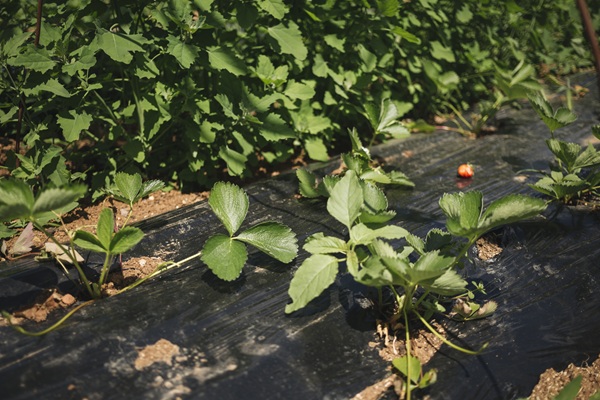
Black films absorb heat. They warm the soil faster. This supports early growth and root activity. Strong early growth leads to healthy flowering later.
However, black films reflect less light upward. They are better for soil warmth than pollination enhancement.
White Mulch Film
White films reflect moderate sunlight. They help keep soil cooler in warm regions. They also improve light diffusion around plants.
This balanced reflection supports steady flowering in summer crops.
Choosing the right mulch film color depends on crop type and season.
Crop-Specific Insights: Grapes, Melons, and Tomatoes
Different crops respond differently to light and soil heat.
Grapes
Grapevines need stable flowering conditions. Uneven soil temperature can disturb bloom timing. Reflective agricultural mulching films help balance canopy light. This may improve cluster development and fruit uniformity.
Melons
Melons rely heavily on bee activity. Silver mulch film can increase insect movement around flowers. Better pollinator visits often lead to improved fruit set and size.
Tomatoes
Tomatoes benefit from warm soil during early growth. Black mulch films support early flowering. Later, reflective films can help manage heat stress and maintain flower quality.
The key is matching mulch film type to crop stage.
Soil Temperature and Flower Development
Flower formation depends on plant energy. That energy comes from healthy roots and balanced soil temperature.
Agricultural mulching films regulate soil heat. Warm soil encourages root growth. Strong roots support nutrient flow to developing flowers.
If the soil overheats, flowering may drop. If the soil stays too cool, flowering may be delayed.
Proper mulch film selection prevents temperature extremes. It creates a stable root environment. Stable roots lead to stronger blooms.
This stability improves the chances of successful pollination.
The Role of Mulch Placement in Pollination
Placement matters as much as color.
Mulch film should lie flat against the soil. Loose installation reduces heat efficiency. Air gaps disturb temperature control.
Correct bed shaping helps too. Raised beds improve drainage and root aeration. This prevents flower drop caused by stress.
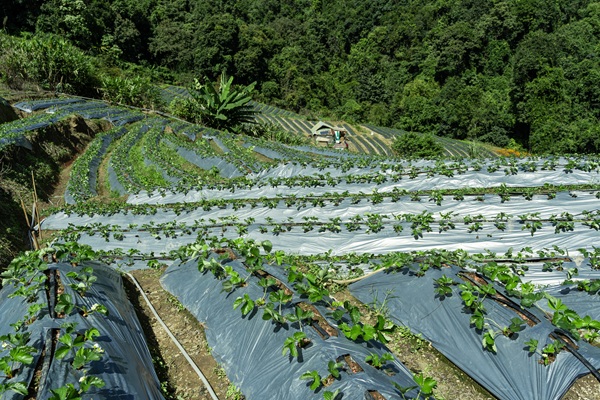
In sloped areas, secure film edges tightly. Wind disturbance can damage flowers and scare away insects.
Consistent placement ensures consistent plant response.
Integrating Shade Nets for Balanced Flowering
In very hot regions, excess sunlight reduces pollen viability. Flowers may dry quickly. Fruit set may drop.
This is where shade net integration helps.
Using shade nets with agricultural mulching films creates balance. The mulch manages soil heat. The shade net controls canopy heat.
Together, they reduce stress during peak flowering.
Light shade nets allow pollinator movement. They also prevent flower burn. The result is improved pollen activity and better fruit formation.
The goal is not to block sunlight completely. It is to control intensity.
Managing Heat Without Affecting Pollinators
Farmers often worry that protective systems may reduce insect visits. The solution is smart planning.
Choose mulch film color based on the season. Use reflective film during peak heat. Switch to black during cooler planting cycles.
Maintain open side ventilation when using nets. Ensure insects can enter freely.
Avoid overly dense shading during flowering.
Balanced systems support both plant health and pollinator behavior.
Why This Approach Supports Long-Term Yield Stability
Pollination is not just about insects. It is about plant condition, temperature, and light quality.
Agricultural mulching films create a stable growing base. Stable roots lead to consistent flowering. Consistent flowering improves fruit set.
Reflective films improve canopy light. Improved light supports insect attraction. More visits increase fertilization success.
When these elements work together, the yield becomes more predictable.
Farmers notice fewer empty clusters. Fruit size becomes uniform. Crop quality improves.
This is not about quick fixes. It is about understanding plant response.
Practical Tips Before Choosing Mulch Film
Before selecting a film, ask:
- What is my peak flowering season temperature?
- Do I need soil warming or cooling?
- Is pollination weak or inconsistent?
- Are insects active during bloom hours?
Matching film type to these answers improves results.
Testing on a small section first is wise. Observe the flowering pattern and insect movement. Adjust color if needed next season.
This practical approach reduces risk and improves confidence.
A Balanced Growing System for Better Pollination
Mulch film and pollination are closely connected. Light reflection influences insects. Soil warmth influences roots. Roots influence flowers. Flowers determine fruit set.
When these links are understood, decisions become easier.
Using the right agricultural mulching films is not complicated. It requires awareness of crop stage and climate.
Simple adjustments in color and placement can support flowering naturally.
Moving Forward with the Right Support
Improving pollination does not always require chemical inputs or major structural changes. Sometimes it starts with understanding how mulch film color shapes plant behavior.
For growers looking to improve flowering and fruit set with reliable agricultural mulching films, it helps to work with experienced manufacturers who understand crop needs and climate conditions.
Neha Mulch Film offers solutions designed for Indian farming conditions. If you want guidance on selecting the right mulch film color for your crop and season, explore their range and speak with their team for practical advice.
Making informed choices today can lead to more stable yields tomorrow.