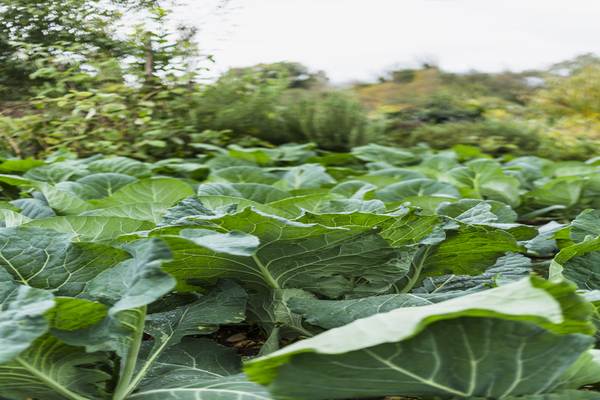
Growing cabbages can be a real struggle when weeds take over your fields or the soil dries out too fast, leaving you with small heads and disappointing harvests. These problems hit farmers hard, especially in areas with erratic rains or poor water supply, making it tough to get a decent crop. Mulch film comes to the rescue, to cover the soil and sort out these issues. Agricultural mulching films provide a simple way to protect your fields and improve yields without much fuss.
What Is Mulch Film All About?
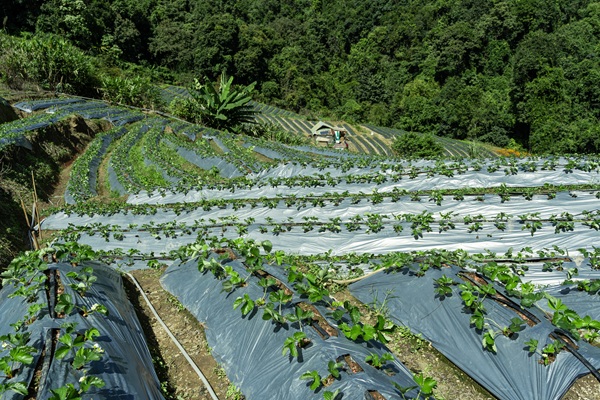
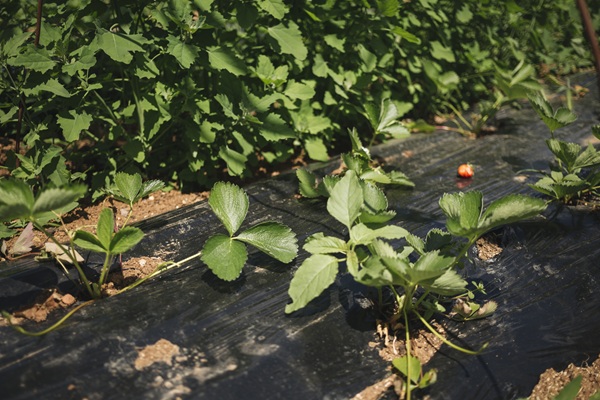
Mulch film is a thin plastic sheet you spread over the soil around your plants. Think of it as a protective cover for the ground. It’s been used for ages to make farming less of a headache. You get it in different colours and types, each meant for specific crops. For cabbages, which love cooler conditions, light-coloured films are best since they keep the soil from getting too hot. This simple tool manages water, weeds, and soil warmth, paving the way for healthier cabbages.
How Mulch Film Makes A Difference For Cabbages
Agricultural mulching film isn’t just a cover—it works hard to improve your field’s conditions. Let’s look at the main ways it helps your cabbage crop.
Keeping Weeds At Bay
Weeds are a farmer’s nightmare, stealing water and nutrients from your cabbages. Mulch film blocks sunlight, so weeds can’t grow easily. This saves you from backbreaking weeding or costly sprays. For cabbage fields, where plants need space, this keeps the rows tidy, letting your crop use all the soil’s goodness. Farmers often see weeds reduced by up to 85%, giving cabbages a clear shot at thriving.
Locking In Soil Moisture
Cabbages need steady water to form those tight, heavy heads. Dry spells can shrink them fast. Mulch film slows evaporation, keeping the soil moist for longer after rain or irrigation. This is a lifesaver in dry parts of India, where water is scarce. You could cut water use by 30-40%, which means healthier plants and better yields without extra effort on watering.
Balancing Soil Temperature
Cabbage grows best with cool roots. White or silver mulch films reflect sunlight, keeping the soil from overheating during hot days. This prevents stress on your plants. In cooler months, the film can warm the soil slightly to speed up growth, helping you harvest sooner. This balance is key in India’s varied climate, ensuring your cabbages stay happy and grow strong.
Warding Off Pests
Pests like aphids and cabbage worms love attacking cabbages. Some agricultural mulch films, especially reflective ones, confuse these insects by bouncing light, making it harder for them to spot your plants. This cuts down pest damage, so you use fewer sprays. In tests, reflective mulch reduced pest issues by 25-35%, keeping your cabbages cleaner and ready for market.
Boosting Your Harvest
Put all this together, and you get bigger, better cabbage yields. Farmers using mulch film often see 20-40% more produce per acre. The plants grow faster, form larger heads, and face fewer challenges from weeds, water loss, or heat. In India’s cabbage-growing belts, this can mean the difference between an average season and a bumper harvest.
Choosing The Right Mulch Film For Cabbages
Not every agricultural mulching film is the same, so picking the right one matters. For cabbages, biodegradable films are great if you want something that breaks down naturally, saving you the trouble of removing it later. Plastic films are tougher and come in colours like white for cooling or black for slight warming. Go for 25-30 micron thickness for durability, especially in windy areas, though thinner 20-micron films are cheaper for smaller plots.
Check your field’s size and bed layout. Films come in widths like 1 or 1.2 metres to match your setup. If you’re starting out, a white plastic film is a safe bet for cabbages, as it controls weeds and keeps soil cool. Look for UV-resistant films to last through India’s sunny seasons.
How To Lay Mulch Film Properly
Putting down mulch film is easy if you do it right. Start by tilling your soil and adding manure or fertilizer. If your land holds water, make raised beds—cabbages love good drainage.
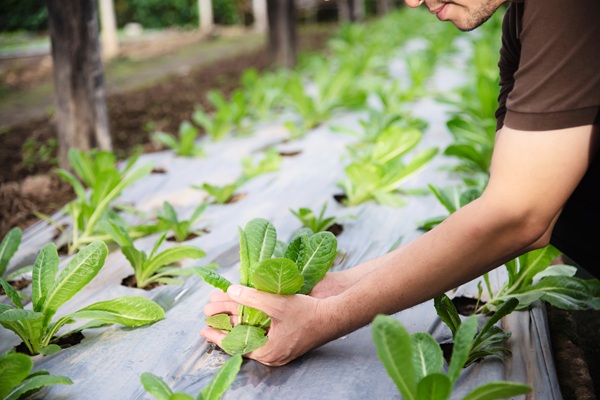
Roll out the film over the bed, pulling it snug but not too tight to avoid tears. Bury the edges in soil or pin them with stakes. Cut holes for your cabbage seedlings, spaced 45-60 cm apart in rows about 60 cm wide. Plant through the holes, press the soil firmly, and water well to settle the roots.
If you use drip irrigation, lay the pipes under the film first for efficient watering. Check the film regularly for tears or shifts caused by wind or animals. In Indian farms, laying it during bed prep ensures your cabbages get the full benefits from the start.
Mistakes To Avoid
Don’t spread film on soggy soil—it can trap too much water and cause root rot. Make sure it’s tight enough to block weeds but not so tight it rips. For non-biodegradable films, clear them after harvest to keep your soil ready for the next crop.
Why Neha Mulch Film Is The Way To Go
Mulch film is a simple yet powerful tool for cabbage farmers, tackling weeds, water loss, and pests to deliver stronger crops with less work. Whether you’re battling dry spells or weed-filled fields, it sets you up for success. For reliable, high-quality options made for Indian conditions, Neha Mulch Film, the top most mulch film manufacturers in Kolkata has you covered, helping you grow more cabbages season after season.
Ready to see bigger cabbage heads and fewer weeds in your fields? Contact Neha Mulch Film today to get started with high-quality agricultural mulching films tailored for Indian farmers. Don't miss out on up to 40% higher yields this season—order your mulch film now and transform your harvest!
Read More: Harvest Here: 10 Ways Mulch Film Supercharges Your Crop Yield!