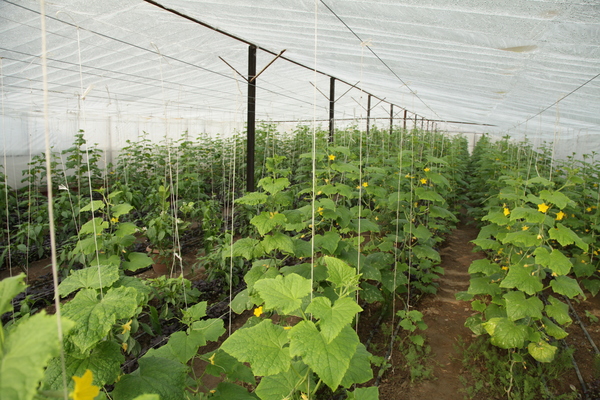
Protected cultivation has transformed the way farmers grow crops. Greenhouses and shade houses offer better control, consistent yields, and reduced weather risks. Yet, these benefits come with new challenges that open-field farming does not face. This is where greenhouse mulch films become especially valuable.
Inside protected structures, heat, humidity, and moisture behave very differently. Soil can stay wet for too long. Roots can overheat. Pests and diseases can spread faster. Standard mulching advice often fails to address these conditions. Well-chosen agricultural mulching films help farmers manage greenhouse microclimates more effectively while supporting healthier soil and crops.
This guide explains how greenhouse mulch films work, where they help most, and how to use them wisely in protected cultivation systems.
What Are Greenhouse Mulch Films and Why Are They Important?
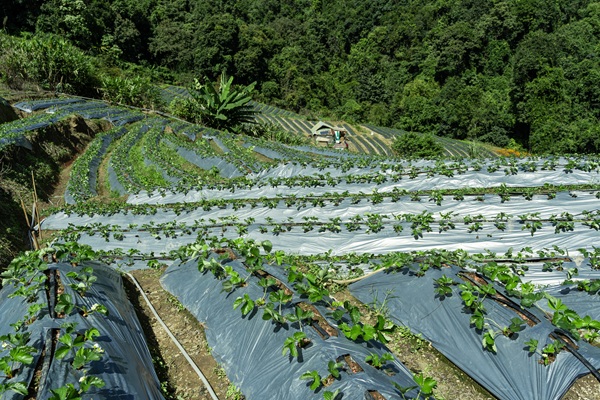
Greenhouse mulch films are plastic sheets laid over soil inside greenhouses or shade houses. Their purpose is simple but impactful. They protect the soil surface and create a more stable root environment.
In open fields, excess heat or moisture often escapes naturally. Inside greenhouses, conditions remain trapped. Without soil protection, this can lead to uneven growth, water stress, and higher disease risk.
Greenhouse mulch films help by:
- Regulating soil temperature
- Improving soil moisture retention
- Suppressing weed growth
- Keeping crop beds cleaner and healthier
These benefits make mulch films an essential part of modern greenhouse farming and protected cultivation practices.
How Do Greenhouse Mulch Films Help Control Temperature and Humidity?
Temperature and humidity are closely connected inside protected structures. Small imbalances can stress plants quickly.
Temperature Control at the Root Zone
Mulch films act as a buffer between soil and surrounding air.
They help to:
- Reduce sudden soil temperature changes
- Keep roots warmer during cooler periods
- Prevent overheating during peak summer days
This steady temperature supports better root development and nutrient uptake.
Managing Excess Humidity
High humidity increases the risk of fungal diseases. Mulch films help control moisture by:
- Reducing surface evaporation
- Limiting water splash during irrigation
- Directing moisture straight to plant roots
Together, these effects create a healthier growing environment throughout the crop cycle.
Which Mulch Film Types Work Best in Greenhouses?
Not all mulch films perform the same way. Crop type, climate, and greenhouse design all influence the best choice.
Common Mulch Film Options for Greenhouses
| Mulch Film Type | Best Use in Protected Cultivation |
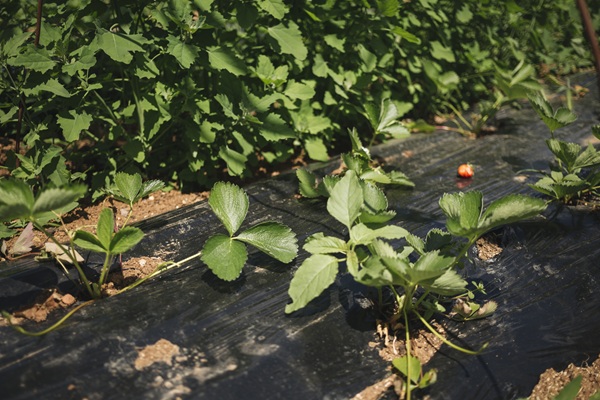
| Black mulch film | Weed control and moisture conservation |
| White mulch film | Heat reflection in warmer climates |
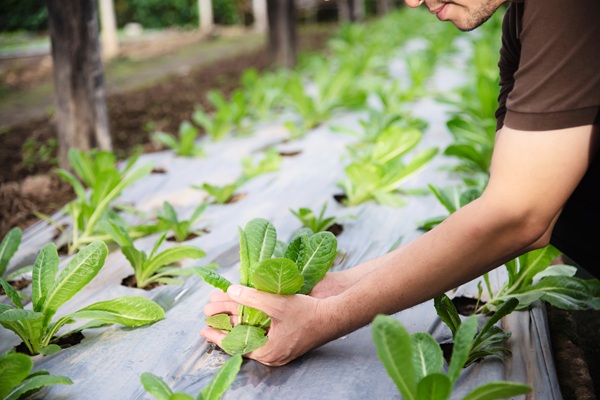
| Silver mulch film | Pest deterrence and temperature balance |
| Transparent film | Early-season soil warming |
Key Factors to Consider
- Crop requirements
- Local temperature patterns
- Greenhouse ventilation
- Irrigation method
Experienced mulch film manufacturers design films with varying thickness, UV stability, and durability to perform reliably under controlled environments.
How Can Greenhouse Mulch Film Use Reduce Pest and Disease Risk?
Pests and diseases behave differently in enclosed spaces. Greenhouses can unintentionally speed up their spread.
Reducing Soil-Borne Diseases
Mulch films form a protective barrier between soil and plants. This helps to:
- Prevent soil splash during watering
- Reduce contact between roots and pathogens
- Lower the risk of disease transmission
Managing Insect Pressure
Reflective mulch films, such as silver films, disrupt insect movement. They confuse pests and reduce their ability to locate plants.
These greenhouse mulch film uses help limit chemical dependence while maintaining cleaner, healthier crop beds.
Best Practices for Installing and Maintaining Greenhouse Mulch Films
Proper installation ensures the film performs well throughout the season.
Before Installation
- Level the soil evenly
- Remove stones and sharp debris
- Install drip irrigation lines first
During Installation
- Lay the film firmly without overstretching
- Secure edges tightly to prevent air pockets
- Make clean, consistent planting holes
Ongoing Maintenance
- Check regularly for tears or damage
- Keep drainage paths open
- Monitor soil moisture under the film
Correct handling improves both crop performance and film lifespan.
Sustainable Benefits of Using Greenhouse Mulch Films
Protected cultivation already reduces resource waste. Mulch films enhance this advantage further.
Water Conservation
- Reduced evaporation
- Efficient irrigation delivery
- Improved soil moisture retention
Soil Protection
- Lower erosion risk
- Better soil structure
- Healthier microbial activity
Reduced Chemical Use
- Fewer weeds
- Lower disease pressure
- Cleaner growing conditions
These benefits align greenhouse farming with long-term sustainability goals.
Enhancing Protected Cultivation with Smart Mulch Film Choices
Greenhouses offer control. Mulch films provide stability. Together, they support stronger crops and more predictable results.
Understanding how greenhouse mulch films interact with soil, temperature, and moisture helps farmers make informed decisions. Choosing quality agricultural mulching films, produced by knowledgeable manufacturers such as Neha Mulch Film, supports efficient and responsible protected cultivation.
As growers look to improve resilience and consistency, exploring smarter mulch film practices becomes a natural next step.
FAQs
What crops benefit most from greenhouse mulch films?
Crops like tomatoes, cucumbers, peppers, strawberries, and leafy greens benefit greatly due to their sensitivity to moisture and temperature.
How long do greenhouse mulch films typically last?
Most last one growing season. Longevity depends on thickness, UV exposure, and greenhouse conditions.
Can greenhouse mulch films help save water?
Yes. They reduce evaporation and improve soil moisture retention, making irrigation more efficient.
Do different colors of greenhouse mulch films have different benefits?
Yes. Black controls weeds, white reflects heat, silver deters pests, and transparent films warm soil early.
Are greenhouse mulch films safe for long-term soil health?
When used responsibly, they protect soil structure, support microbial life, and reduce erosion.