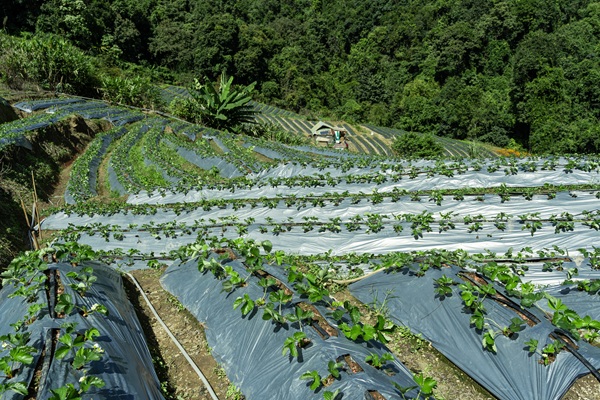
If you're still not using mulch film in your farming practices, you might already be paying for it, just not the way you think. At first glance, skipping agricultural mulch film might seem like a way to save money. But the real story lies in the hidden costs that slowly chip away at your profits, soil quality, and crop performance.
As one of the trusted mulch film manufacturers in Kolkata, Neha Mulch Film has seen this pattern play out many times, especially for farmers in India’s diverse climates.
Let’s walk through the five hidden costs that often go unnoticed until it's too late.
1. Water Wastage That Drains Your Resources
Without mulch film, the top layer of soil is left exposed to direct sunlight. That leads to high water evaporation, especially during peak summer months. What does that mean for your farm? You end up watering more often, using more electricity, labour, and resources—all of which add up.
By using agricultural mulch film, water retention in the soil improves significantly. Crops get consistent moisture, and irrigation needs drop by up to 40%. When you don’t use mulch, you're paying extra for every drop.
2. Weed Growth That Costs More Than You Think
Weeds don’t just steal nutrients. They cost you time, labour, and money.
Most farmers deal with them by hiring manual labor or using herbicides. Both options are expensive over time. Frequent herbicide use can also affect soil health and crop safety.
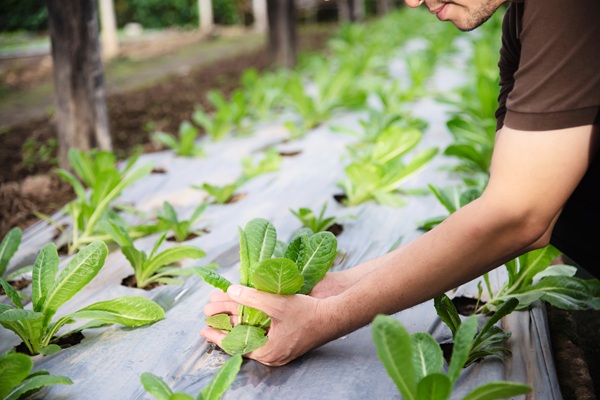
Mulch film acts like a barrier, blocking sunlight and preventing weed growth naturally. When you skip it, you're choosing a continuous cycle of weed control expenses.
3. Soil Temperature Fluctuations That Delay Growth
Plants need a stable environment to grow well. Uncovered soil is easily affected by temperature changes. Cold nights and scorching days can slow down germination and delay crop maturity.
Agriculture mulch film helps regulate soil temperature. It keeps the soil warmer during colder months and cooler in the heat. This consistency supports faster, healthier growth—and often, earlier harvests.
Not using mulch film can result in uneven crop development and lower yields. That’s another hidden cost most farmers don’t realize until harvest time.
4. Loss Of Fertilizer Efficiency
Here’s something you might not have thought about: when the soil is exposed, rainfall and irrigation can wash away nutrients before your crops can absorb them. This runoff leads to higher fertilizer use and more expenses.
Mulch film helps retain fertilizers around the root zone. It creates a mini-greenhouse effect that boosts nutrient absorption. So, when you're not using it, you're likely spending more on fertilizer and still getting lower results.
5. Crop Contamination And Quality Issues
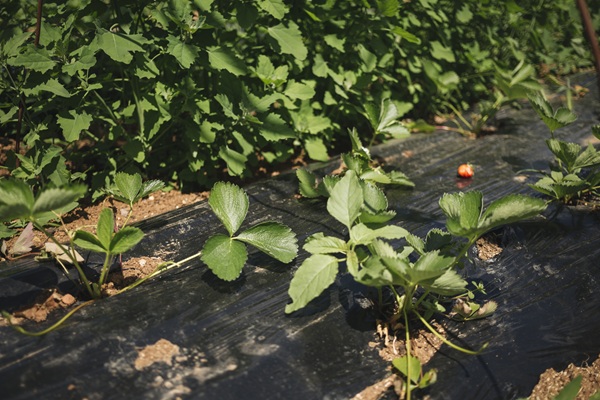
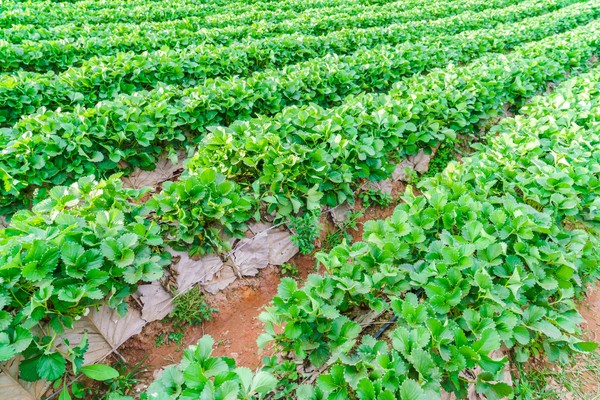
Bare soil can splash onto produce during rain or irrigation. That means more dirt, higher chances of disease, and lower visual quality, especially for fruits and vegetables close to the ground like tomatoes or strawberries.
When your produce doesn’t look good, it fetches a lower price in the market. Agriculture mulch film keeps crops cleaner and reduces contamination. That translates to better-looking produce, higher grades, and ultimately, better profits.
Skipping this simple tool might not seem like a big deal until buyers start rejecting your crops or asking for lower prices.
Using mulch film isn’t about following trends. It’s about adopting a proven practice that pays off in both the short and long run. Whether you're growing vegetables, fruits, or flowers, this simple layer of protection can help you farm more efficiently and profitably.
Many farmers hesitate to invest in mulch film because they see it as an added cost. But the real cost is in what you lose without it—water, time, labour, fertilizers, crop quality, and market value.
By working with experienced mulch film manufacturers in Kolkata like Neha Mulch Film, you get access to quality products that are tailored to Indian conditions and crop needs. Our films aren’t just plastic sheets—they’re a smart agricultural tool that saves money while improving results.
Stay informed. Make smart choices. And always weigh what you’re saving against what you might be losing.
Read More : Agricultural Mulch Films In Modern Farming & Water Conservation