Weeds don’t just steal nutrients from your crops—they steal your time, energy, and money. Many farmers find themselves trapped in a cycle of manual weeding and costly herbicides, only to see the same problem return. This is where agricultural mulching films come in. A simple, science-backed solution, they suppress weed growth, conserve soil moisture, and protect your crops, all while reducing labour costs.
If you’ve ever wished for a way to stop weeds before they even start, this could be your game-changer.
What Are Mulch Films?
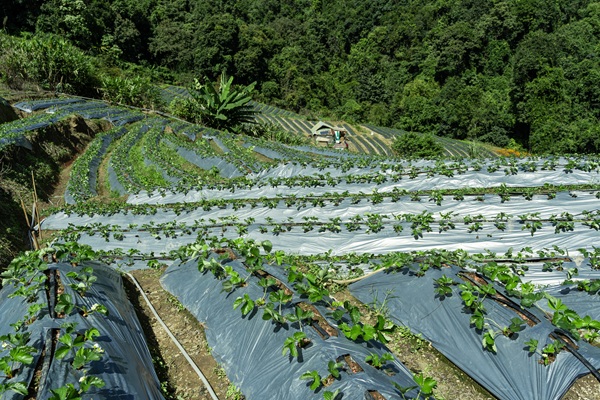
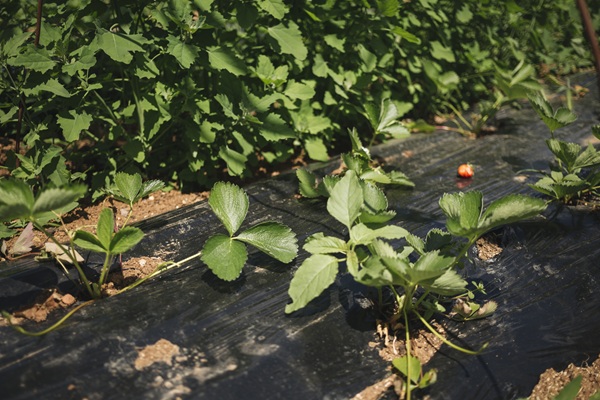
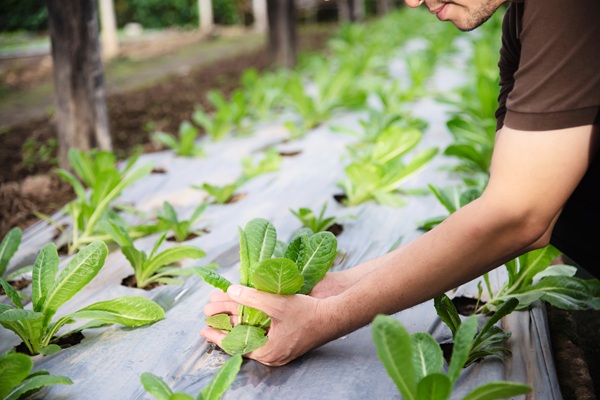
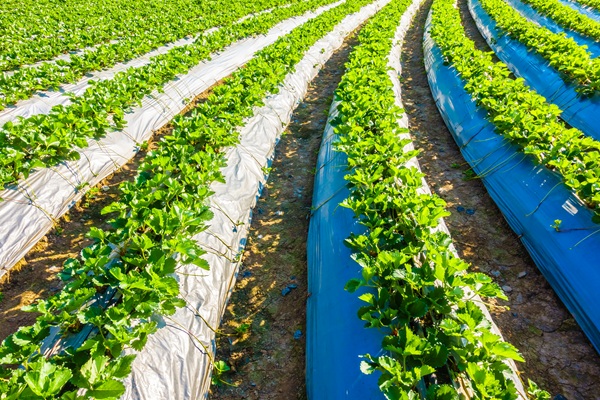
Mulch films are protective agricultural sheets, usually made of polyethylene, laid over soil around plants. They create a physical barrier between the soil and the outside environment, locking in moisture and keeping weeds from sprouting.
Think of it as a protective blanket for your crops—one that works 24/7, without chemicals or extra effort.
How Do Agricultural Mulch Films Work?
The magic lies in light exclusion. Weeds need sunlight to germinate and grow. By covering the soil, mulch films block this light, preventing weed seeds from sprouting.
At the same time, the films help retain soil warmth and moisture, creating ideal conditions for crop growth while keeping unwanted plants away.
Here’s the step-by-step process:
- Light Blockage: No sunlight → no photosynthesis → no weed growth.
- Moisture Retention: Reduces evaporation, cutting irrigation needs.
- Temperature Control: Warms soil in early planting seasons, boosting germination of crops.
- Barrier Effect: Stops weed seeds from reaching the surface.
Who Should Use Mulch Films?
Mulch films are ideal for:
- Vegetable farmers grow crops like tomatoes, cucumbers, melons, and peppers.
- Fruit growers are looking to reduce ground maintenance.
- Organic farmers wanting weed control without chemicals.
- Farmers in dry climates need better water conservation.
- Anyone spending too much time and money on manual weeding.
What Are The Benefits Of Using Agricultural Mulching Films?
Using agricultural mulching films isn’t just about controlling weeds—it’s about transforming how your crops grow. Here’s how this simple solution can save you time, money, and effort while improving your harvest quality.
- 90% Weed Reduction – Less manual labour.
- Lower Herbicide Use – Saves money and reduces chemical exposure.
- Better Moisture Management – Less frequent watering needed.
- Improved Soil Health – Prevents erosion and nutrient loss.
- Faster, Healthier Crop Growth – Warmer soil encourages earlier harvests.
- Cleaner Produce – Crops don’t touch bare soil, reducing contamination.
How Quickly Do Mulch Films Show Results On Crops?
Results are almost immediate. From the day you apply mulch films, weed germination is suppressed. Within the first few weeks, you’ll see:
- Reduced new weed growth.
- More consistent soil moisture.
- Stronger, healthier crop development.
Do Mulch Films Give Permanent Weed Control Results?
Mulch films work as long as they’re in place and undamaged. Once removed, weeds can return if seeds are still present in the soil. For year-round results, mulch films should be reapplied each growing season.
How Do Mulch Films Compare To Other Weed Control Methods?
| Method | Weed Control | Cost | Labor Needed | Environmental Impact |
| Mulch Films | ★★★★★ | Moderate | Low | Low (if recyclable) |
| Manual Weeding | ★★☆☆☆ | Low | High | Neutral |
| Herbicides | ★★★★☆ | High (long-term) | Low | Moderate to High |
| Organic Mulch (straw, leaves) | ★★★☆☆ | Low | Moderate | Low |
How To Maintain Mulch Films After Installation For Best Results?
- Check for Tears: Repair or replace damaged sections promptly.
- Monitor Soil Moisture: You may need less irrigation.
- Inspect Crop Health: Early detection of pests is easier when the soil is covered.
- Plan for Removal/Replacement: End-of-season maintenance keeps fields ready for next planting.
We’ve gathered some of the most frequently asked questions farmers have about using mulch films effectively. From cost and materials to installation tips, here’s everything you need to know before getting started.
Black polyethylene mulch is considered most effective for weed control. It blocks sunlight completely, preventing weed germination, while also helping retain soil moisture and regulating temperature for healthier crop growth.
The cost varies based on thickness, width, length, and material type. On average, Neha Mulch Film products range from ₹1,800 to ₹4,000 per roll, depending on quality and whether it’s biodegradable or conventional.
Most standard agricultural mulch films last for one growing season, typically 4–6 months. Thicker, UV-stabilized films or biodegradable options can last longer, depending on weather conditions and farming practices.
Mulching films are commonly made from polyethylene, which is durable, lightweight, and effective at blocking light.
Use a sharp knife, hot punching tool, or specialized mulch hole maker. Pre-cut holes before planting or make them during installation to ensure proper spacing for seedlings and airflow.
Common mulch materials include black polyethylene film, biodegradable plastic, organic mulches like straw or leaves, and synthetic woven fabrics. Each offers different weed control, moisture retention, and environmental impact benefits.
Neha Mulch Film – Your Trusted Partner For Smarter Weed Control
Weeds can feel like an endless battle, but agricultural mulching films from Neha Mulch Film make winning that battle simple. As one of the leading mulch film manufacturers, we provide high-quality solutions that cut weed growth, save water, and boost crop yield.
If you’ve been spending countless hours pulling weeds or investing heavily in herbicides, it’s time to switch to a smarter, more efficient approach. With Neha Mulch Film durable and effective products, you can protect your crops and your peace of mind.
Read More : Agricultural Mulch Films In Modern Farming & Water Conservation