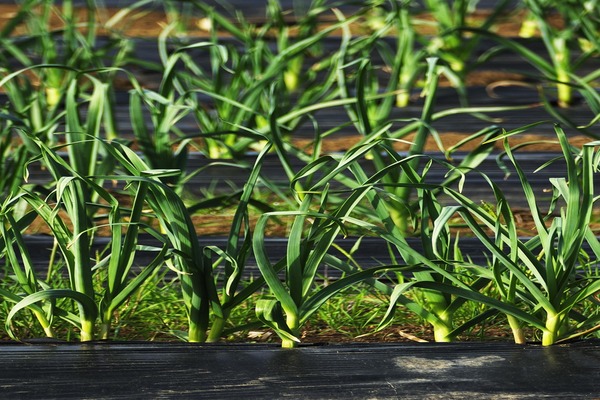
Farmers face harsh summers, unpredictable monsoons, and cold winters that challenge soil and crop growth. Excess heat dries soil, heavy rains cause erosion, and frost slows plant development. Using agricultural mulching films helps protect soil, conserve water, and improve crop yield throughout the year.
Effective Mulch Practices Improve Farming Outcomes
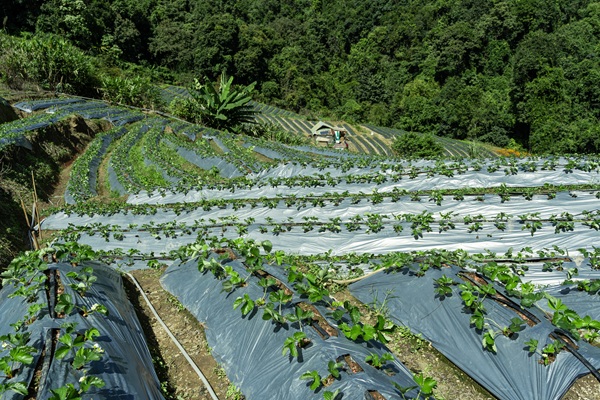
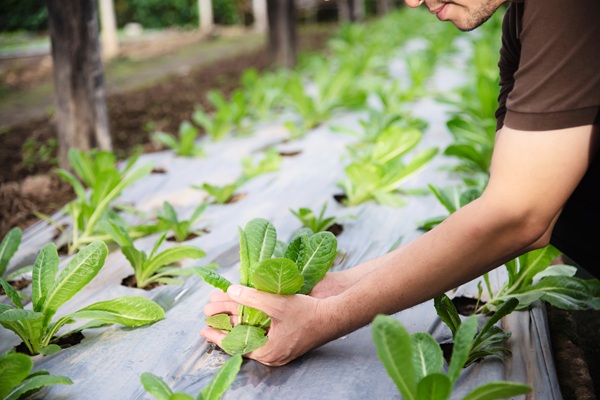
Agricultural mulching films are thin plastic sheets placed over the soil surface. They act as a protective barrier against weeds, evaporation, and extreme temperatures. Unlike organic mulch, these films offer more consistent results and can be customized by color, thickness, and perforation type.
For farmers, mulching films ensure crops grow in stable conditions, regardless of seasonal changes. They reduce dependency on pesticides and irrigation while improving soil health.
Why Best Mulch Practices Matter For Farmers
Without mulching, soil remains exposed to harsh sunlight, excess rain, or frost damage. This leads to:
- Loss of soil moisture.
- Faster weed growth.
- Uneven soil temperature.
- Reduced crop quality and yield.
Following best mulch practices ensures that crops receive stable growing conditions. Farmers benefit from increased yields, water conservation, and reduced weed management costs.
Best Mulch Practices for Summer Crops
Summer brings scorching temperatures, higher evaporation, and frequent soil cracking. Agricultural mulching films help reduce these risks.
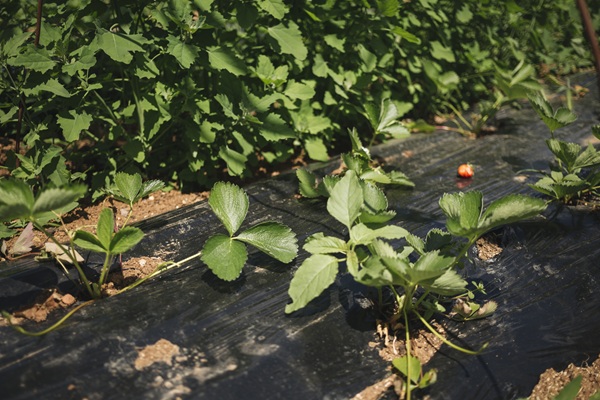
- Black Mulching Films: Block sunlight, suppress weeds, and retain soil moisture.
- Silver Mulching Films: Reflect excess heat and repel harmful insects.
- Drip Irrigation with Mulching Films: Reduces water use by up to 40% while maintaining consistent soil moisture.
- Best crops for summer mulching: Tomato, chili, cucumber, muskmelon, and watermelon.
- With mulching films in summer, farmers keep soil cool, save water, and improve crop survival.
Best Mulch Practices Dor Monsoon Crops
Monsoons are vital for farming but also cause waterlogging, soil erosion, and fungal outbreaks. Smart mulching practices reduce these risks.
- Raised Bed Mulching with Films: Prevents roots from rotting by lifting crops above excess water.
- Perforated Mulching Films: Allow drainage while keeping soil intact during heavy rainfall.
- Organic Residue + Mulching Films: Adding husk or straw with films strengthens soil and prevents erosion.
- Best crops for monsoon mulching: Cotton, maize, okra, and rainy-season vegetables.
Using mulching films in monsoon helps farmers manage heavy rainfall and protect root systems.
Best Mulch Practices For Winter Crops
Winter brings challenges of low soil temperatures, frost, and slow crop growth. Mulching films maintain soil warmth and encourage faster development.
Transparent Mulching Films: Trap heat, keep soil warmer, and improve germination rates.
Black Mulching Films: Prevent weed growth around slow-growing winter crops.
Straw Mulching with Films: Provides extra insulation for orchards and perennial crops.
Best crops for winter mulching: Potato, peas, cauliflower, cabbage, and onion.
With mulching films in winter, farmers prevent frost damage and ensure uniform growth.
Comparing Mulching Practices By Season
| Season | Challenges | Best Mulching Films Practice | Benefits for Farmers |
| Summer | Heat, evaporation, weeds | Black or silver mulching films + drip | Saves water, repels insects, reduces weeds |
| Monsoon | Waterlogging, soil erosion | Raised beds + perforated mulching films | Prevents flooding, maintains soil health |
| Winter | Cold, frost, slow growth | Transparent + straw mulching films | Faster germination, frost protection |
Risks Of Ignoring Mulching Films
- Excess water usage and higher irrigation costs.
- Increased labor for weed control.
- Crop loss from heat stress, waterlogging, or frost.
- Long-term soil health decline.
Farmers who avoid mulching films often spend more on water, chemicals, and pest control.
How Quickly Do Results Appear?
Immediate: Soil moisture retention and temperature control.
Within 2 weeks: Clear reduction in weed growth.
End of season: Healthier crops, uniform harvests, and yield increase of 20–40%.
Alternatives To Plastic Mulching Films
While plastic films dominate farming, alternatives like biodegradable mulching films are gaining popularity. They offer the same benefits and decompose naturally, leaving no residue. Farmers also combine organic mulch (straw, husk, crop residue) with plastic films for added soil enrichment.
Seasonal farming comes with unique challenges, but agricultural mulching films provide year-round protection. From summer heat to monsoon floods and winter frost, the best mulch practices help farmers secure better yields and sustainable soil health.
FAQs
They save water, suppress weeds, regulate soil temperature, and improve yields.
Black and silver mulching films are best for controlling weeds and heat.
Yes. Raised beds and perforated films help manage heavy rainfall.
Transparent films and straw mulching insulate soil and prevent frost damage.
Yes. They provide seasonal benefits and decompose naturally, leaving no waste.
Read More: Tired Of Weeding Every Week? How Mulch Films Can Save You Time And Money