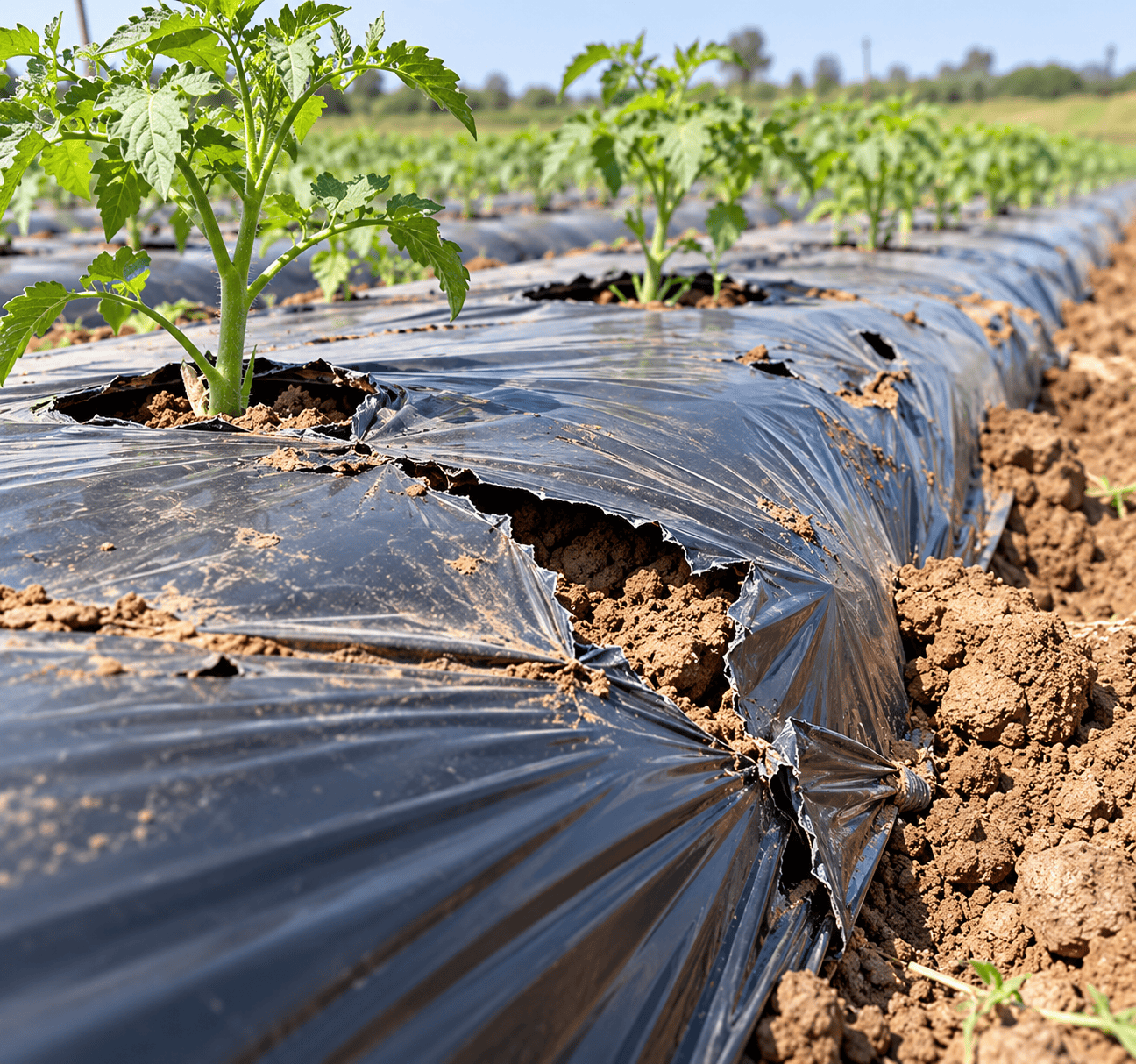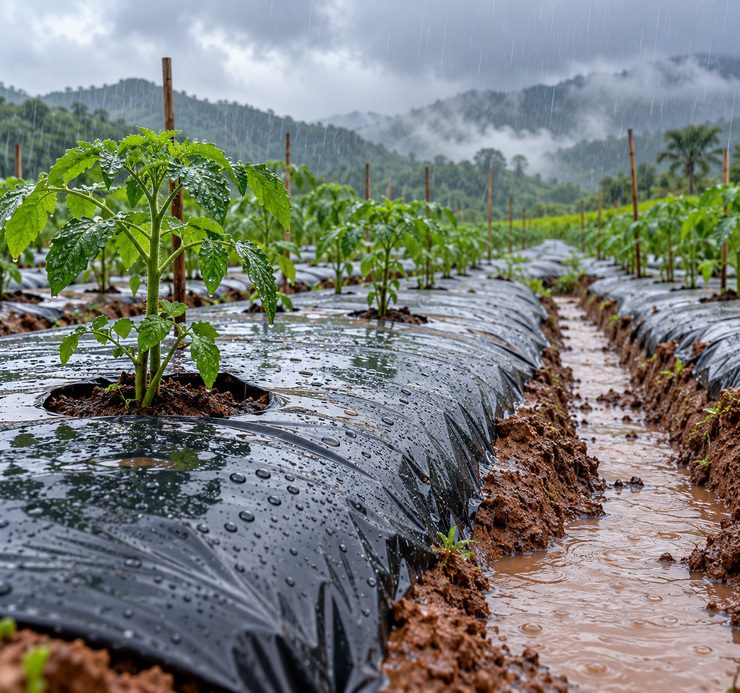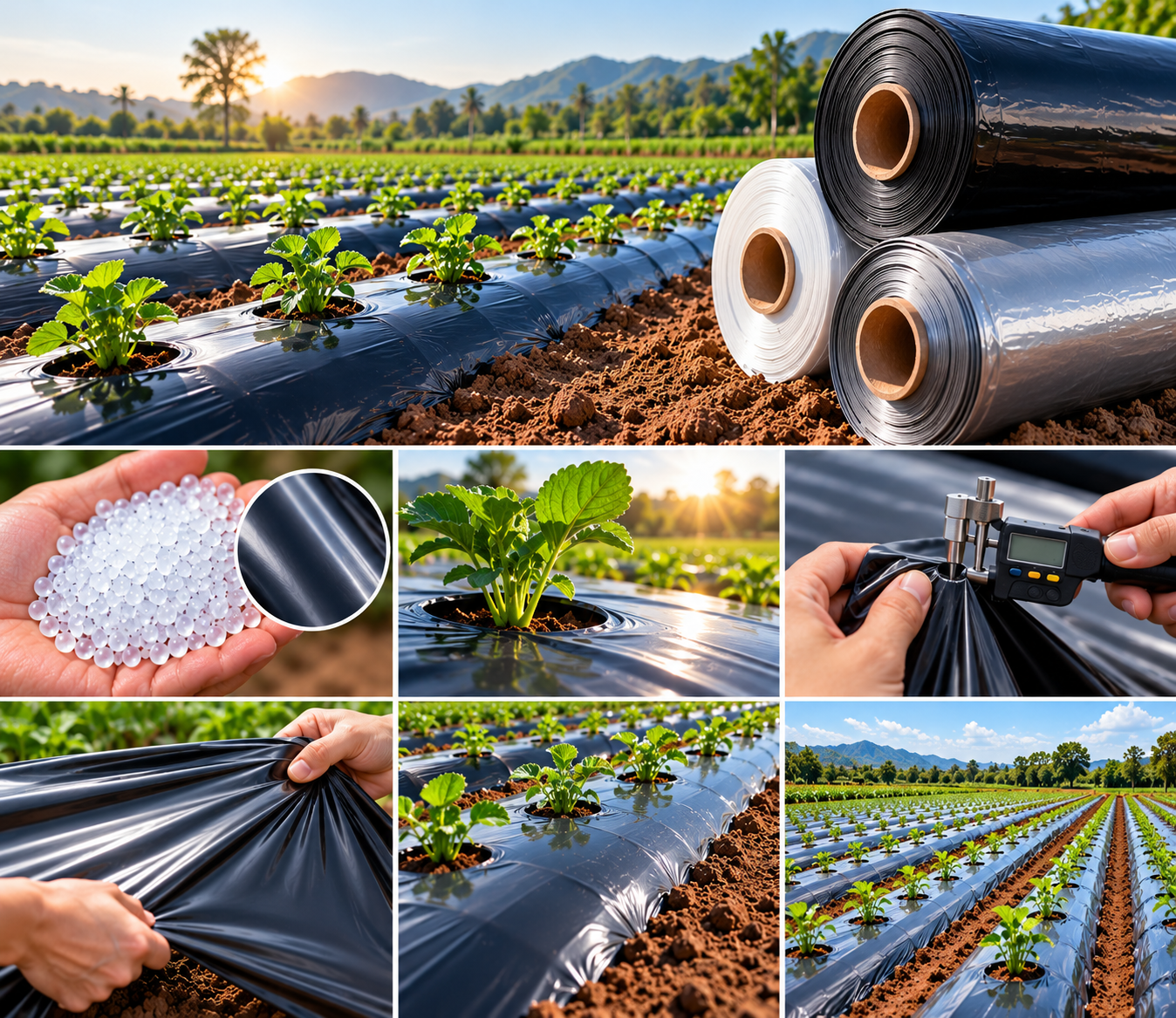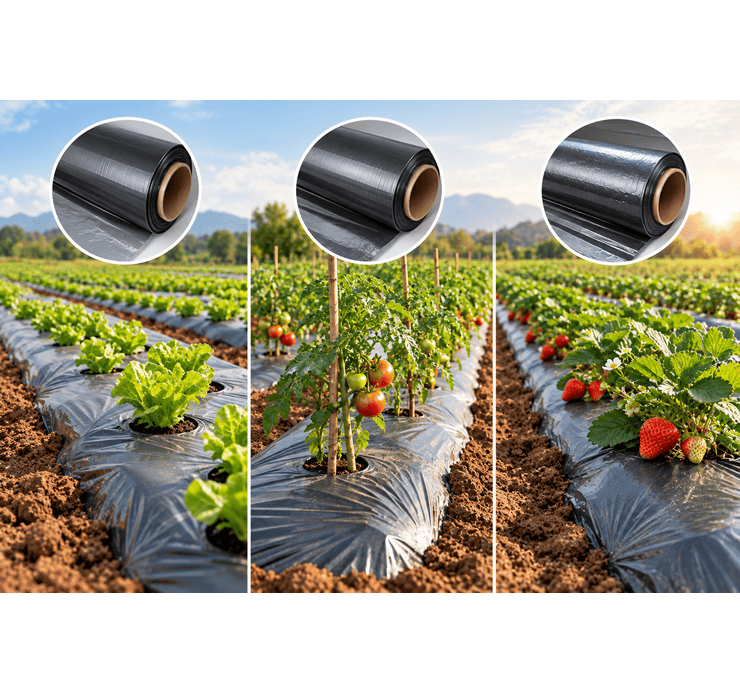
Ever wondered why your potato crop didn’t meet expectations this season? You prepared the soil, timed your irrigation, and even chose the best-quality seeds—but the yield still underwhelmed. Now, here's a quiet but powerful player that can change your game: Shade Nets.
No, it’s not just a cover. It’s a microclimate controller. It’s a stress shield. And above all, it’s your ticket to better, more consistent potato harvests. Let’s break it down for you.
What Is A Shade Net In Potato Cultivation?
Imagine a breathable blanket for your crop. It filters the sunlight, controls heat, balances humidity, and gently wraps your potato field in the right growing environment.
Shade nets are specially woven fabrics—typically made of HDPE—designed to reduce sunlight intensity and protect crops from excessive heat, pests, and environmental stress.
At Neha Mulch, we treat shade nets not as a product, but as a crop management tool. They’re not "one size fits all." We help you find your fit based on your region, soil, crop cycle, and sunlight intensity.
Why Do Potatoes Even Need Shade?
Let’s ask a basic question first.
Don’t potatoes love sunlight?
Yes, High-intensity light leads to:
- Scorching on leaves
- Increased water loss
- Reduced tuber formation
- Faster breakdown of soil nutrients
- Growth of unwanted weeds and pests
Potatoes perform best in cooler temperatures (15–25°C). In many Indian states, the growing season coincides with unpredictable heatwaves and uneven rainfall—especially post-November.
This is where shade nets come in. They don’t eliminate sunlight. They filter it, just enough to ease crop stress and stabilize growth.
What Does A Shade Net Actually Do?
Let’s break this down into real benefits, not textbook definitions.
1. Temperature Regulation
Too much heat can shut down photosynthesis. Shade nets act like a natural cooler. They lower the field temperature by 2–5°C, keeping potatoes in their happy zone.
Think of it as sunscreen for your farm.
2. Reduced Water Evaporation
Less sun = less water loss. This means you save water and avoid frequent irrigation.
Farmers we’ve worked with report up to 25% less water usage after installing shade nets over potato plots.
3. Boosted Root & Tuber Formation
When the plant isn’t fighting heat, it invests energy into growing underground—where the actual profit lies. That’s more tubers. More uniformity. More marketable yield.
4. Protection From Sudden Weather Changes
India’s winter rains and freak hailstorms are unpredictable. Shade nets offer a buffer. They reduce wind impact, break rainfall intensity, and even repel some flying pests.
5. Healthier Soil Structure
Shade nets prevent soil compaction, encourage earthworm activity, and keep the soil alive and rich—a detail most growers ignore.
Step-By-Step: How To Use Shade Net In Potato Cultivation?
Let’s say you’re just starting. You’re unsure how to fit this into your traditional routine.
Here’s how Neha Mulch helps our growers simplify the process.
Step 1: Choose The Right Shade Percentage
Potatoes prefer 35% to 50% shading, depending on your location. 35% is suitable for regions with lower temperatures, such as Kashmir or Himachal. We help you evaluate light intensity using handheld tools or mobile-based light meters.
Step 2: Design The Right Structure
You can go for:
- Low tunnels for cost-effective coverage
- Walk-in structures for larger plots
- Retractable net setups for hybrid needs
Step 3: Set It Up Post Germination
Let your potato plants establish themselves first (10–15 days). Then cover the crop with shade nets. Doing it too early can reduce light for sprouting. Doing it too late? You miss the growth window.
Step 4: Monitor Growth Weekly
With shade nets, growth accelerates. You need to adjust fertilization and watering schedules slightly—this is where Neha Mulch’s agronomy team comes in. We walk you through what to tweak and when to tweak it.
Is It Really Worth The Investment?
“Is the yield increase worth the setup cost?”
You’re not alone in asking this.
Let’s answer with a fact: Farmers using shade nets for potatoes have reported yield increases between 18% to 35%, with better consistency across tuber sizes.
But more importantly—your crop becomes more predictable. You avoid losses from heatwaves. The field is under your control, much like a greenhouse, but without the high cost.
It’s not about one-time profit. It’s about sustainable farming that performs year after year.
Common Mistakes To Avoid
Yes, shade nets help—but only if done right.
- Mistake 1: Using Too Dark a Net
Higher shade doesn’t mean better growth. Too much shading can slow down photosynthesis.
- Mistake 2: Wrong Timing
If you install it too late, the damage is already done.
- Mistake 3: No Pest Control
Shade net in potato cultivation reduce flying pests, but don’t eliminate them. You still need proper integrated pest management (IPM).
How Can Neha Mulch Help You?
We’re not just a seller. We partner with growers.
Here’s what we offer:
- Customized shade net recommendations based on region and crop cycle
- Help with design, layout, and installation
- Post-installation agronomy support
- Regular check-ins to tweak your growth plan
- Durable, UV-stabilized nets that last multiple seasons
When your yield grows, we grow with you. That’s how we’ve built trust across farming communities in India.
Final Thoughts: Should You Try Shade Nets?
If you're serious about potato farming, yes.
It's among the easiest and least expensive upgrades you can make this season. You’ll notice:
- Better quality tubers
- Reduced disease impact
- Lower input costs
- Higher profits per acre
Start small if you want. Cover a section of your plot. Measure the difference. Once you see the change, you won’t go back.
And we at Neha Mulch will be right beside you, every step of the way.
Got questions? Need help with your potato plot? Reach out to Neha Mulch. Let’s build your field’s future—one net at a time.
Read More: Organic Farming And Shade Nets: A Sustainable Duo