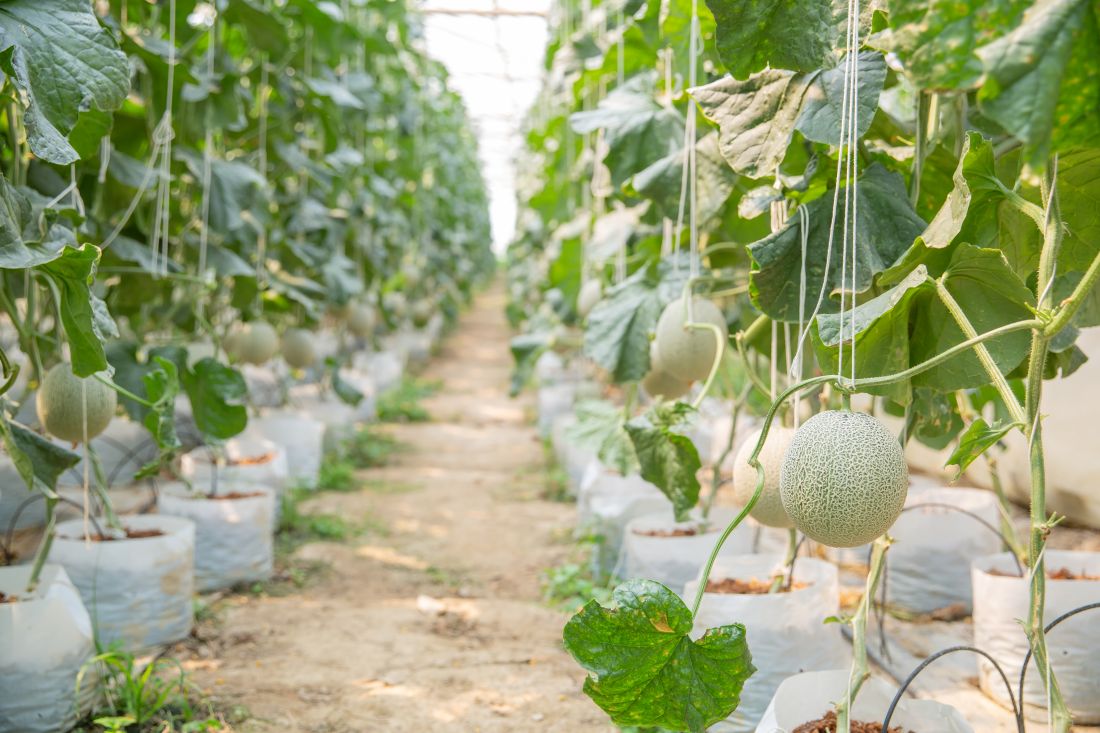
Watermelon farming is a rewarding venture, but it comes with its challenges. One of the most persistent issues farmers face, especially in areas with high rainfall or poor drainage, is root rot. Root rot can severely damage watermelon crops, causing them to wither and die, resulting in significant losses. But there is a solution that can help prevent root rot and create the ideal environment for watermelon growth: mulch films for root rot prevention.
In this blog, we’ll explore how agricultural mulching films can protect watermelon roots from excessive moisture, improve drainage, and promote healthy growth. Let’s dive into how these simple, yet powerful tools can help you keep your watermelon crops strong and thriving.
What is Root Rot in Watermelon Farming?
Root rot is a fungal or bacterial infection that affects the roots of watermelon plants. It often occurs when the soil becomes too saturated with water, especially in areas that experience heavy rainfall or poor drainage. The excess moisture causes the roots to suffocate, making it difficult for them to absorb nutrients and water properly.
As the roots weaken, the plants become more susceptible to disease, leading to wilting, yellowing leaves, and ultimately, plant death. This not only affects the health of individual plants but can lead to significant crop loss. If left unchecked, root rot can quickly spread, infecting neighboring plants and reducing overall yield.
How Agricultural Mulching Films Help Prevent Root Rot
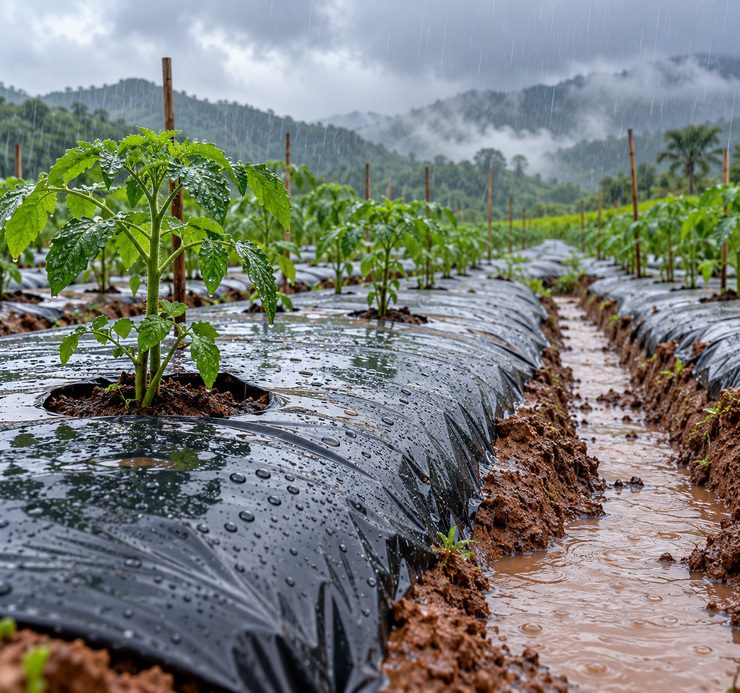
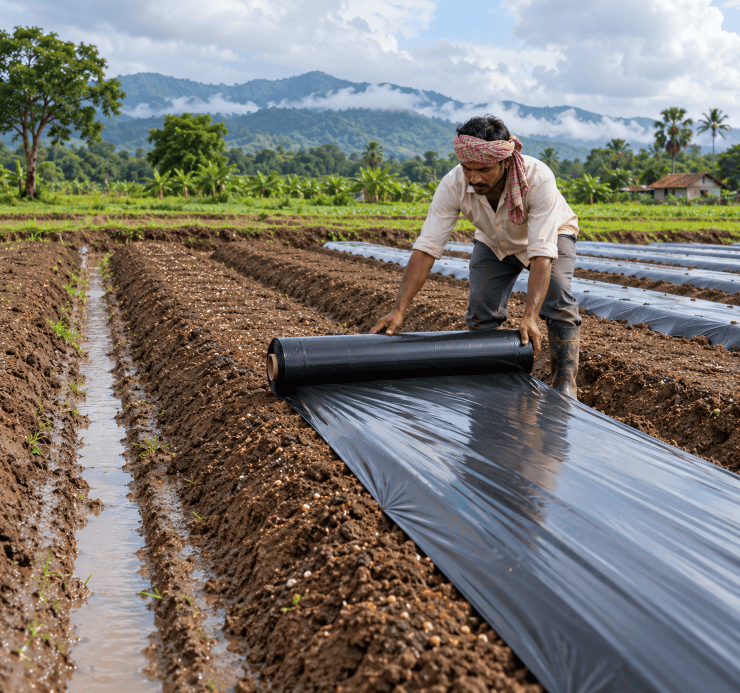
One of the most effective ways to prevent root rot in watermelon farming is by using mulch films for root rot prevention. These films create a barrier between the soil and the plants, helping to regulate moisture levels and protect the roots from excess water. Here’s how they work:
1. Regulating Soil Moisture
Watermelon plants need consistent moisture, but too much water can lead to root rot. Mulch films act as a protective layer, reducing the amount of water that reaches the soil surface. By keeping the soil moist but not waterlogged, mulch films ensure that the watermelon plants receive the right amount of hydration.
The films help to retain moisture in the soil by reducing evaporation, which is particularly beneficial in hot, dry climates. On the flip side, they also prevent over-saturation during heavy rainfall by allowing excess water to drain away more effectively.
2. Improving Drainage and Aeration
Proper drainage is essential for preventing root rot, and agricultural mulching films enhance drainage by allowing excess water to move through the soil more efficiently. When applied to the soil surface, mulch films help prevent water from pooling around the roots. This reduces the risk of waterlogging and ensures that the soil remains well-aerated, allowing the roots to breathe.
Good aeration is essential for healthy root development, as it helps prevent the growth of harmful pathogens that thrive in stagnant, waterlogged soil.
3. Blocking Soil-Borne Diseases
Mulch films also act as a physical barrier that prevents soil-borne pathogens from reaching the roots. Diseases like fusarium wilt, which can be associated with root rot, are commonly spread through contaminated soil. By creating a protective shield between the soil and the plant, mulch films help reduce the spread of these pathogens, lowering the risk of infection.
Additionally, mulch films for watermelon farming can help prevent the splashing of soil particles onto the stems and leaves of the plants, which can introduce harmful fungi and bacteria.
The Benefits of Using Agricultural Mulching Films in Watermelon Farming
In addition to preventing root rot, agricultural mulching films offer several other benefits that can improve overall crop health and productivity. Let’s take a look at some of these advantages:
4. Enhanced Temperature Control
Watermelons thrive in warm temperatures, but they are sensitive to extreme heat. Mulch films help maintain a stable soil temperature by reflecting sunlight and protecting the roots from direct exposure to the sun. This helps create an ideal growing environment for the plants, especially during hot summer months.
During cooler periods, the films help retain heat in the soil, providing warmth to the roots and encouraging early plant growth.
5. Weed Suppression
Weeds compete with watermelon plants for water, nutrients, and sunlight, and they can worsen the effects of root rot by crowding the soil. Agricultural mulching films suppress weed growth by blocking sunlight, preventing weed seeds from germinating.
By keeping weeds at bay, mulch films ensure that watermelon plants have access to all the nutrients and moisture they need, allowing them to grow stronger and healthier.
6. Reduced Watering Frequency
Because mulch films help retain moisture in the soil, watermelon farmers can reduce the frequency of irrigation. This not only conserves water but also ensures that the soil remains consistently hydrated without over-saturating the roots. Using less water is especially beneficial in areas facing water shortages or where irrigation resources are limited.
How to Choose the Right Mulch Film for Watermelon Farming
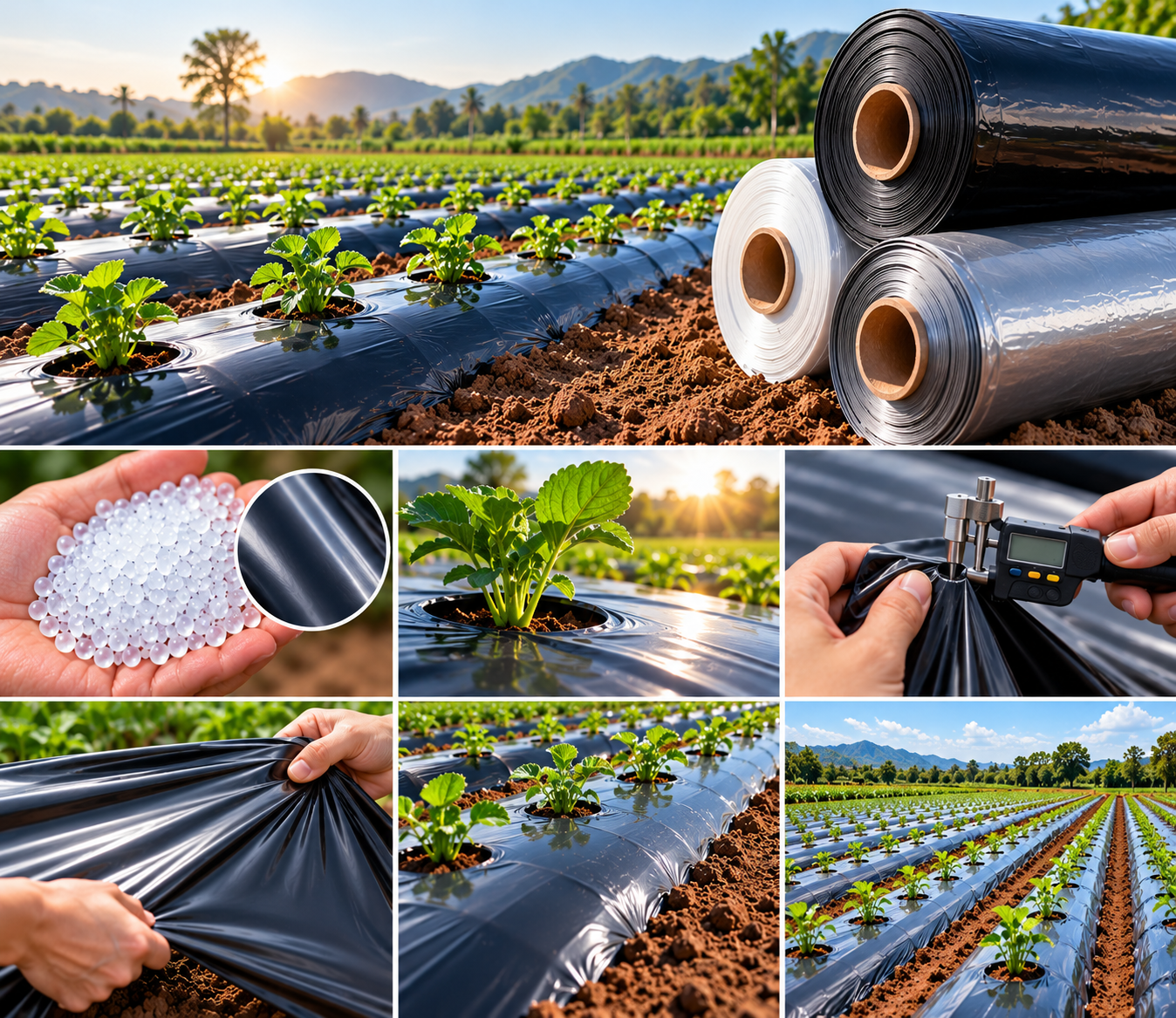
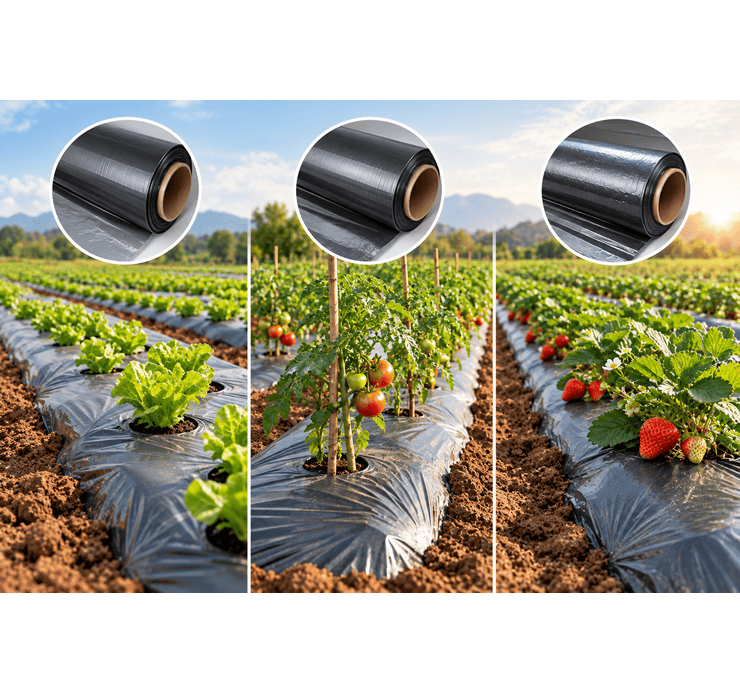
Choosing the right mulch film is key to ensuring that your watermelon crops get the maximum benefit. Here are a few tips to keep in mind when selecting mulch films for your farm:
- Film Color:
For watermelon farming, black mulch films are often the best choice. The black color helps retain heat and prevents the soil from drying out too quickly, creating a warm environment that encourages root growth. - Thickness:
Choose a mulch film with the appropriate thickness for your climate. Thicker films provide better moisture retention and durability, while thinner films may be more suitable for regions with moderate temperatures. - UV Resistance:
Make sure the mulch film is UV-resistant. UV protection helps the film last longer under the sun’s exposure and prevents it from breaking down too quickly. - Size and Fit:
Ensure that the film is wide enough to cover the soil surface and fit your specific farming needs. Custom-sized mulch films can be more efficient for different planting layouts.
Sustainable Farming with Mulch Films
Using agricultural mulching films for root rot prevention in watermelon farming is not only a practical solution but also a step toward sustainable farming. By reducing water usage, preventing disease, and minimizing chemical inputs, mulch films help farmers grow healthier crops with fewer resources.
The long-term benefits of using mulch films include improved soil health, increased crop yields, and reduced environmental impact. This makes them an essential tool for farmers looking to embrace sustainable practices while maximizing their harvest.
Protect Your Watermelon Crops with Mulch Films
Root rot can be a devastating problem for watermelon farmers, but mulch films for root rot prevention provide an effective and sustainable solution. By regulating soil moisture, improving drainage, and protecting roots from disease, agricultural mulching films create the perfect growing environment for watermelons.
If you’re looking to improve your watermelon farming practices and prevent root rot, mulch films are a simple yet powerful tool that can help you achieve healthier crops and better yields.
At Neha Mulch Film, we offer high-quality mulch films for watermelon farming, designed to protect your crops, conserve water, and improve overall plant health. Our products are built to last and help you grow with confidence.