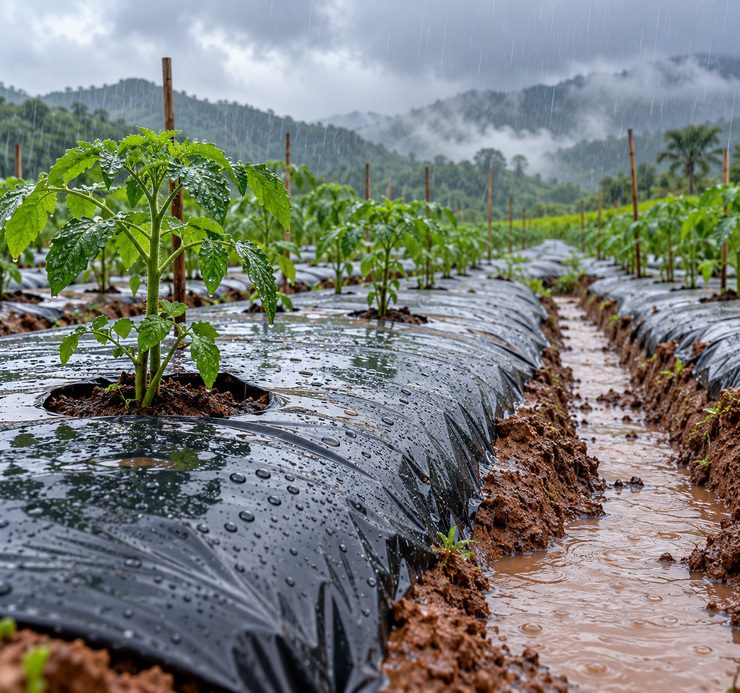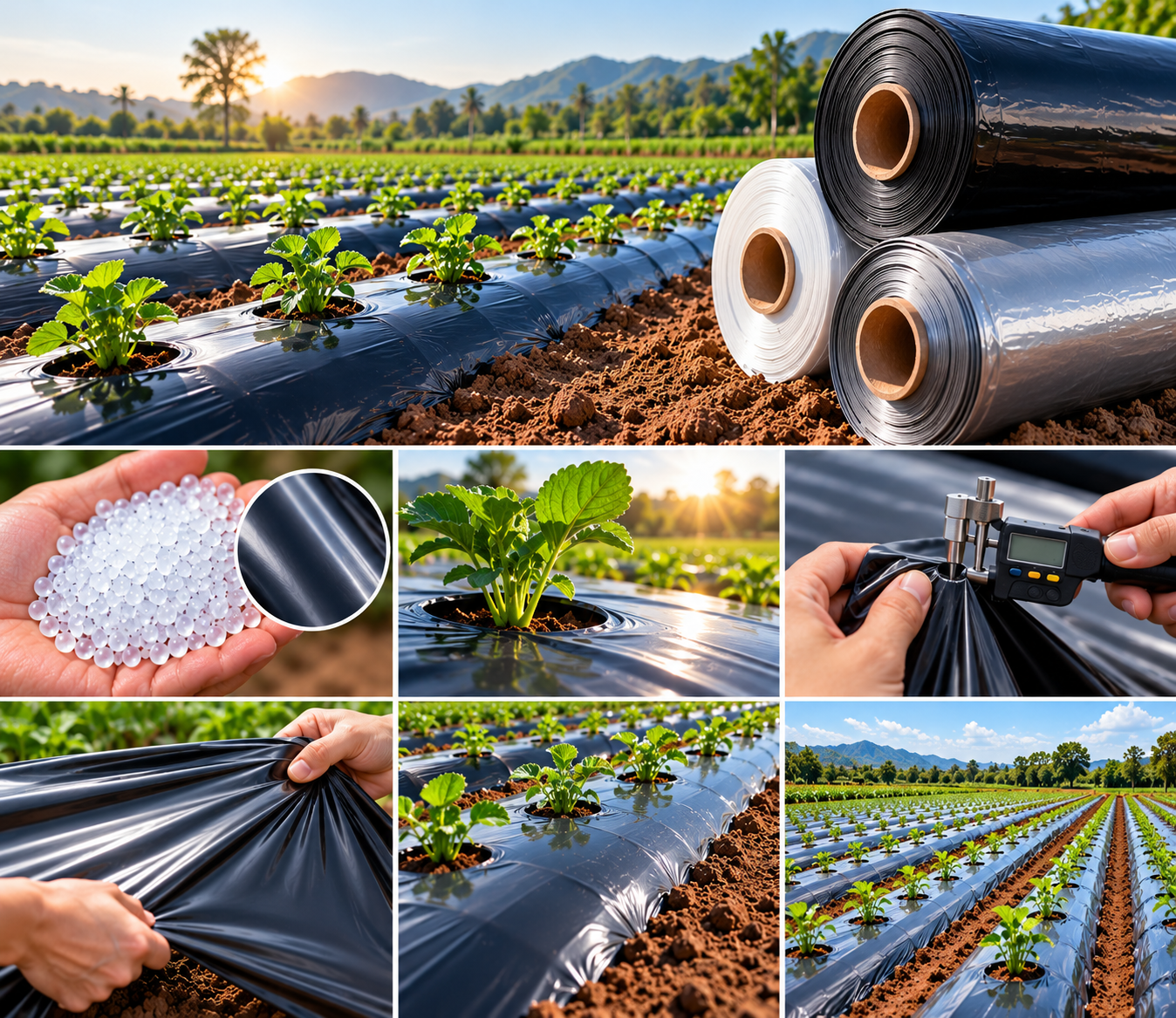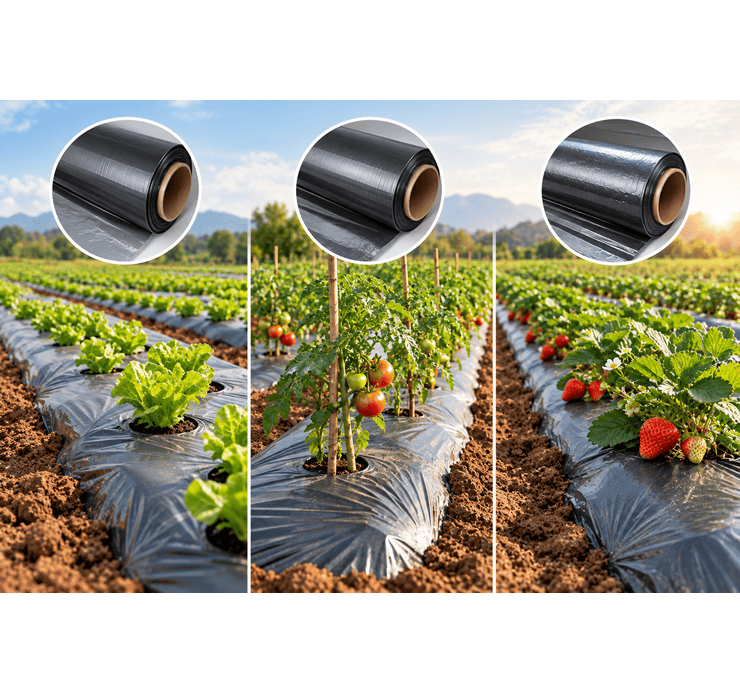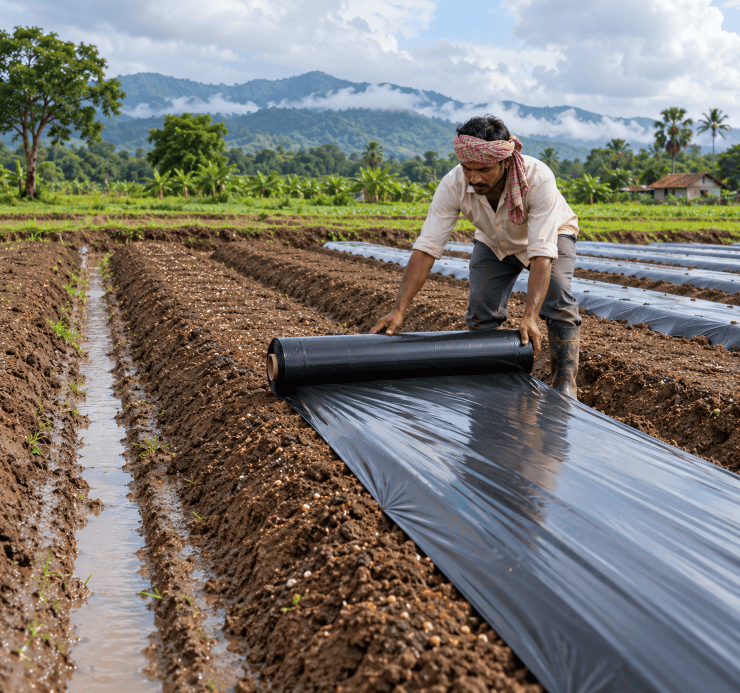
As a horticulturist or small-scale farmer, you know that maximizing crop yields is crucial to ensuring the success of your business. But growing healthy, thriving plants can be a challenge, especially when dealing with weeds, pests, and unpredictable weather. That’s where mulch films for horticulture come into play. These films provide a simple yet effective solution to boost productivity in your farm by improving root development, controlling weeds, and reducing pest infestations.
In this guide, we will explore how agricultural mulching films can help you achieve healthier crops and higher yields, ultimately leading to a more productive and sustainable farming operation.
Why Crop Yields in Horticulture Can Be Challenging
When it comes to horticulture, getting your crops to thrive involves more than just planting seeds. There are multiple factors that can negatively impact the growth and yield of your plants:
- Weed Competition: Weeds compete with your crops for sunlight, nutrients, and water, often resulting in reduced yields.
- Pest Infestations: Insects and other pests can damage plants and stunt growth, which can affect the overall health of your crops.
- Unstable Soil Moisture: Inconsistent watering can lead to stress in plants, affecting root health and ultimately, yield.
- Temperature Fluctuations: Extreme heat or cold can interfere with the natural growth cycle of your crops.
Fortunately, these issues can be managed, and mulch films for horticulture are one of the most effective tools in doing so. Let’s see how they can address these common challenges and boost crop yields.
How Mulch Films Help Maximize Crop Yields in Horticulture
1. Weed Suppression: Keep Weeds at Bay for Better Crop Growth
Weeds are one of the biggest challenges in horticulture. They not only steal nutrients from the soil but also block sunlight that crops need to grow. Agricultural mulching films help solve this problem by acting as a barrier between the soil and the light. The films prevent weed seeds from sprouting by blocking sunlight and smothering the weeds.
By reducing weed competition, mulch films for horticulture ensure that your crops have access to all the nutrients, water, and sunlight they need to thrive. The result is healthier plants and, ultimately, higher crop yields.
2. Root Health: A Stable, Moisture-Rich Environment
The health of your crop roots directly impacts plant growth and productivity. Roots need a stable environment that provides consistent moisture and proper aeration. When the soil is exposed to direct sunlight, moisture evaporates quickly, causing plants to suffer from water stress.
Mulch films help retain moisture in the soil by reducing evaporation. This keeps the soil consistently moist, providing your plants with the hydration they need. At the same time, mulch films help maintain proper aeration, which is vital for healthy root development.
By maintaining ideal moisture levels and improving root health, agricultural mulching films ensure that your crops can grow to their full potential, increasing overall yields.
3. Pest and Disease Prevention: Protecting Your Crops from Harmful Insects
Insects and pests are a constant threat to horticultural crops. They can damage plants, reduce yields, and introduce diseases that can harm the entire crop. Mulch films for horticulture help protect your crops from pests by forming a physical barrier that prevents insects from accessing the plants.
Additionally, by keeping the soil surface dry, mulch films reduce the risk of soil-borne diseases, which thrive in wet conditions. This creates a healthier environment for your crops, reduces the need for pesticides, and contributes to higher yields.
4. Temperature Control: Creating the Perfect Growing Environment
Temperature fluctuations can significantly impact the growth of your crops. Too much heat can stress plants, while colder temperatures can slow growth. Agricultural mulching films help regulate the temperature around your plants by reflecting excess heat during hot days and trapping warmth during cooler nights. This creates a stable environment that encourages consistent growth.
For plants like fruits, vegetables, and herbs that require specific temperature conditions, mulch films help ensure that the soil remains at the optimal temperature for root development and overall plant health. With temperature regulation in place, your crops can grow steadily, resulting in better productivity.
Choosing the Right Mulch Film for Your Farm
Not all agricultural mulching films are the same, so choosing the right type for your crops is essential. Here are a few factors to consider when selecting mulch films for your horticultural farm:
- Color of the Film:
Different colors of mulch films serve different purposes. For general weed suppression and moisture retention, black mulch films are a popular choice. They also help warm the soil, promoting faster growth in the early stages. - Thickness:
Thicker mulch films provide better weed control and moisture retention. However, if you are in a region with moderate temperatures, a thinner film may suffice. - UV Resistance:
Mulch films that are UV-resistant are essential for long-term use, especially in areas with intense sunlight. UV-resistant films maintain their integrity over time and provide consistent performance throughout the growing season. - Compatibility with Irrigation Systems:
Mulch films are often used in conjunction with drip irrigation systems. Ensure the film you choose allows water to pass through to the root zone without blocking the irrigation system.
The Environmental Benefits of Using Mulch Films in Horticulture
Using agricultural mulching films not only boosts crop yields but also contributes to more sustainable farming practices. Here’s how:
- Water Conservation:
By reducing evaporation, mulch films help conserve water, making them ideal for farms that face water scarcity or rely on irrigation. - Reduced Chemical Use:
By minimizing weed growth and pest infestations, mulch films reduce the need for herbicides and pesticides. This lowers chemical use on your crops, making them safer for consumers and more eco-friendly. - Soil Health Improvement:
Mulch films prevent soil erosion and improve soil structure. They help preserve soil integrity by maintaining a stable, well-structured environment that encourages healthy plant growth.
Grow More with Less Effort Using Mulch Films
Mulch films for horticulture are a game-changer for farmers looking to maximize crop yields while minimizing effort. By controlling weeds, improving root health, preventing pests, and regulating temperature, these films provide a comprehensive solution to many common farming challenges. Whether you’re growing fruits, vegetables, or herbs, mulch films help create the perfect environment for crops to thrive, leading to healthier plants and higher productivity.
At Neha Mulch Film, we offer high-quality agricultural mulching films that are designed to help you grow more with fewer resources. Our products are built for durability, sustainability, and performance, ensuring that your farm gets the best results season after season.