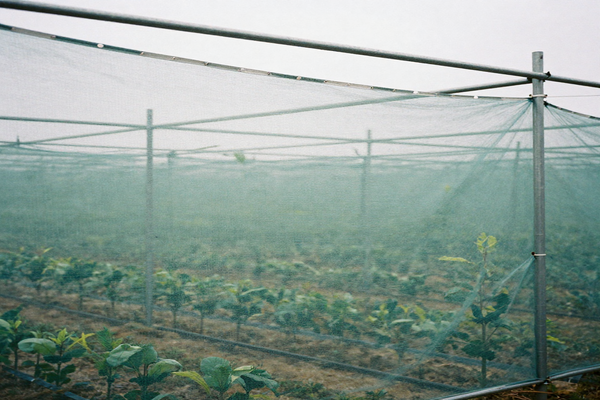
Agriculture mulch film can make a visible difference in crop health, moisture retention, and weed control—but only when it is installed correctly. Many farmers invest in good-quality mulch film yet fail to see expected results because of avoidable installation mistakes. These issues often appear small at first but can reduce yield, increase costs, and shorten the life of the film.
Understanding common errors and correcting them early helps farmers get the full benefit of agriculture mulch film while protecting soil and crops throughout the season.
1. Poor Land Preparation Before Laying the Film
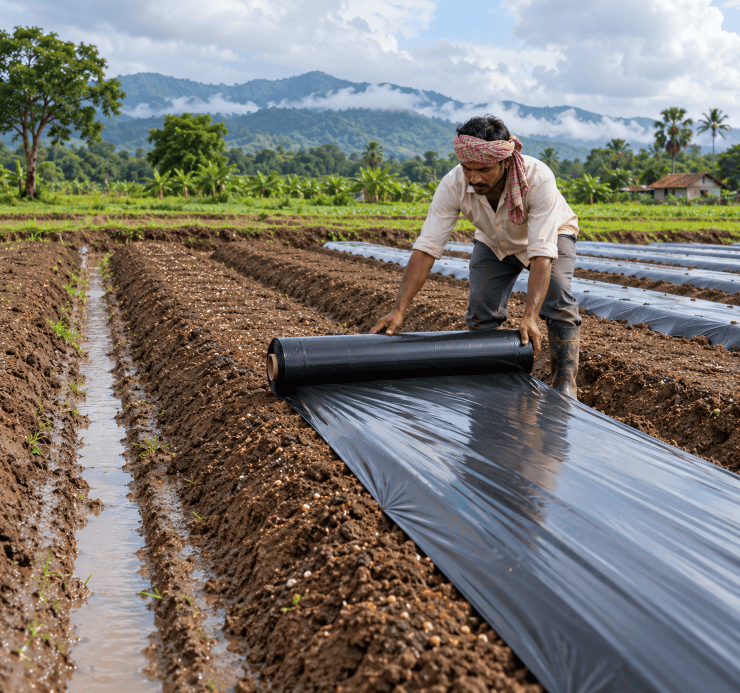
One of the most common mistakes starts before the mulch film even touches the field. Uneven soil, leftover crop residue, stones, or clods can tear the film or prevent it from sitting flat. When air gaps form under the film, moisture control becomes uneven and weeds may grow through weak spots.
Proper land preparation includes leveling the soil, removing sharp objects, and ensuring good drainage. A smooth surface allows the mulch film to stay intact and perform consistently.
2. Incorrect Film Tension During Installation
Laying mulch film too loosely or too tightly can both cause problems. Loose installation allows wind to lift the film, leading to tears or displacement. Over-tightening can stretch the film, making it thinner and more likely to crack under heat.
The film should sit snugly on the soil without strain. Proper tension helps maintain soil temperature and reduces the risk of early damage, especially during hot afternoons or strong winds.
3. Wrong Hole Size and Spacing for Crops
Improper punching of holes is another frequent issue. Large holes allow heat and moisture to escape, reducing the benefits of mulching. Very small or uneven holes can restrict plant growth and damage stems.
Crop-specific spacing and hole size matter. When holes align correctly with plant spacing, agriculture mulch film supports better root development and efficient nutrient use.
4. Ignoring Wind Direction and Weather Conditions
Installing mulch film on windy days often leads to uneven placement and loose edges. Sudden gusts can tear the film or pull it out of alignment before it is secured.
Farmers should plan installation during calm weather and secure edges properly using soil. Paying attention to local conditions helps extend the film’s life and improves field appearance.
5. Inadequate Edge Burial
Leaving film edges exposed is a common mistake that causes lifting and tearing. Even good-quality film will fail if edges are not buried properly.
Edges should be firmly covered with soil along the entire length. This step anchors the film, protects it from wind damage, and prevents moisture loss from the sides.
6. Using the Wrong Film for the Crop or Season
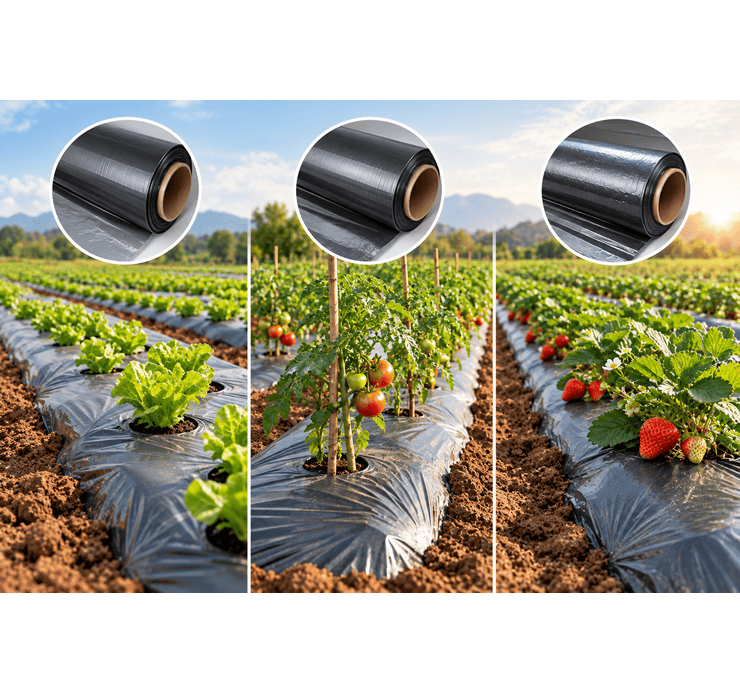
Not all mulch films suit every crop or climate. Thickness, colour, and material choice should match seasonal needs and crop requirements. Using the wrong type may lead to overheating, reduced soil moisture, or early degradation.
Consulting experienced mulch film suppliers helps farmers choose suitable options for local conditions and cropping cycles.
7. Lack of Regular Field Monitoring
Once installed, mulch film still needs regular checks. Small tears, lifted corners, or blocked irrigation points can worsen if ignored.
Routine inspection allows timely repairs, ensuring agriculture mulch film continues to support crop growth effectively.
Final Thoughts
Most installation issues are easy to avoid with planning, patience, and basic awareness. Farmers who take time to install mulch film correctly often see better moisture control, fewer weeds, and improved yield consistency.
For guidance on selecting the right film and proper installation practices, Neha Mulch Film works closely with farmers and local partners to support effective use of agriculture mulch film. Reach out today to learn more.
Frequently Asked Questions
1. How long does agriculture mulch film last after installation?
It depends on film quality, thickness, and installation method. Properly installed film usually lasts one full crop season.
2. Can mulch film be reused for another crop?
Most agriculture mulch films are designed for single-season use, though durability varies.
3. Does mulch film affect soil fertility?
When used correctly, it helps retain nutrients and moisture but should be managed with proper crop rotation.
4. Is manual installation better than machine installation?
Both work well if done correctly. Machine installation offers consistency for large areas.
5. Where can farmers find reliable mulch film manufacturers in Kolkata?
Working with established suppliers and manufacturers helps ensure quality, guidance, and after-sales support.