Soil isn’t just dirt - it’s a living ecosystem. Farmers rely on it every day, yet soil often faces damage from overuse, harsh weather, and continuous cropping. Problems like erosion, nutrient loss, and weak soil structure slowly reduce productivity and increase farming costs.
This is where agricultural mulching films become a simple but powerful solution. They protect the soil from heat, wind, rain, nutrient loss, and compaction. Let’s break down how plastic mulch plays a valuable role in sustainable farming - and how farmers can use it to build healthier soil year after year.
What Are Plastic Mulch Films And Why Do They Matter In Modern Farming?
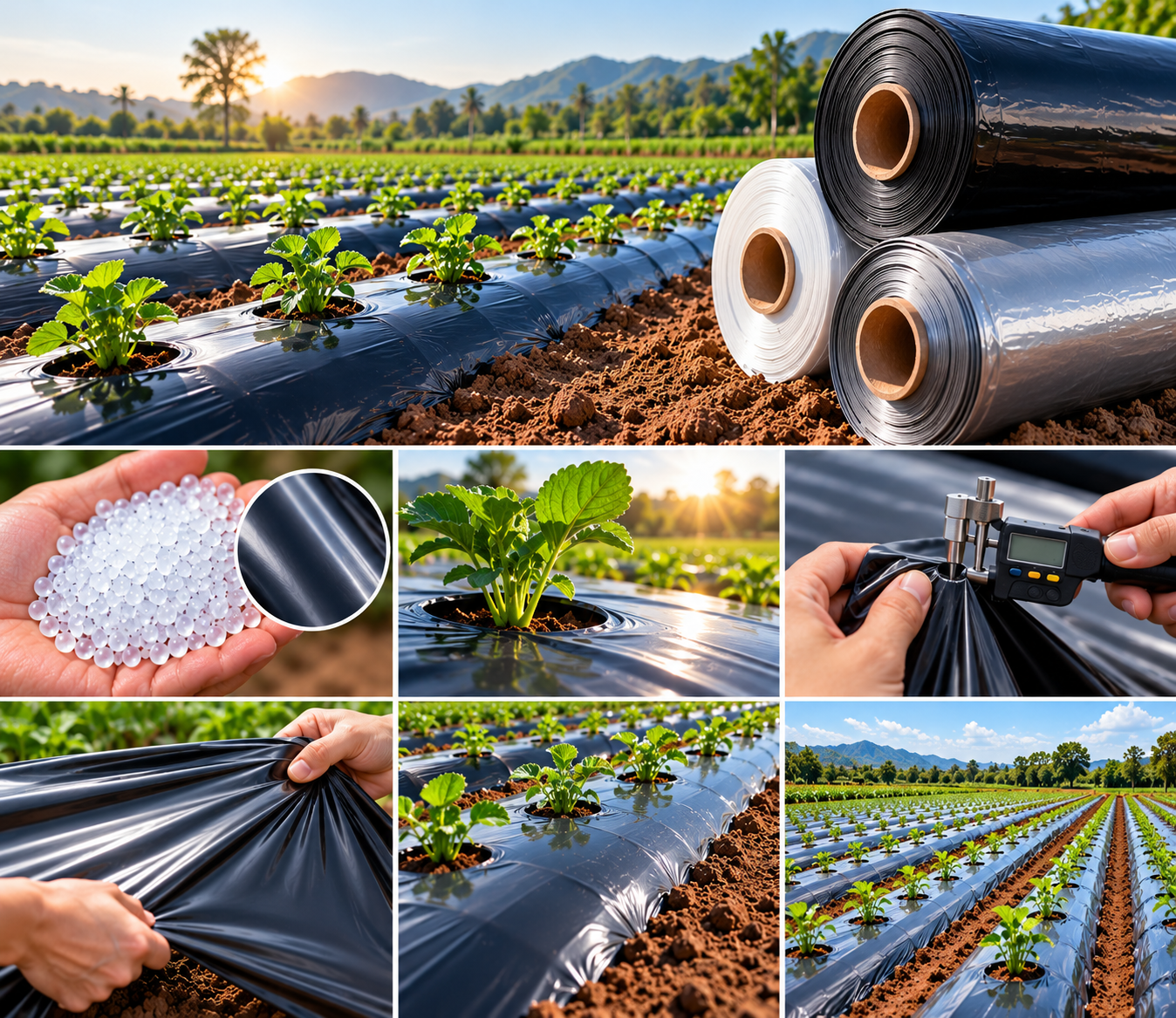
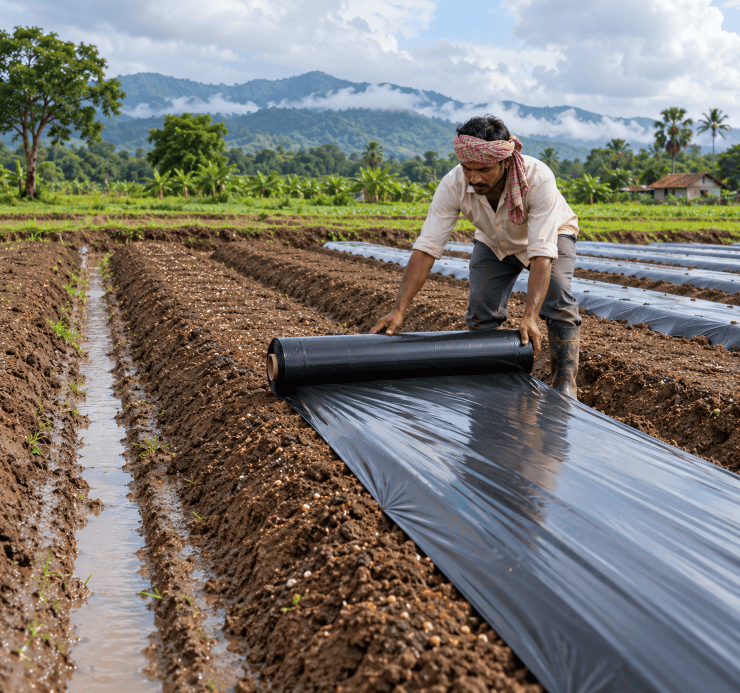
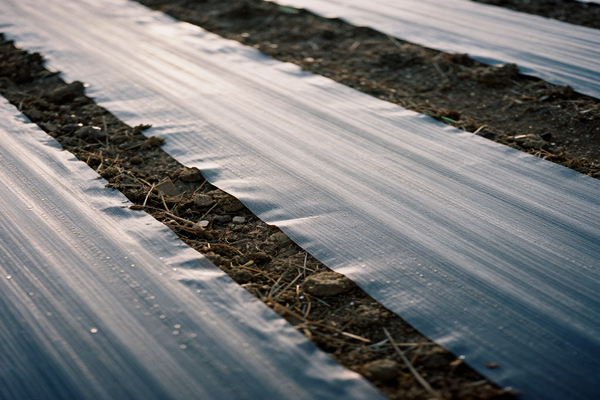
Plastic mulch films are thin layers of protective material placed over the soil. They help conserve moisture, prevent erosion, regulate temperature, and create a balanced environment for roots and microorganisms.
Farmers use them because they help with:
- Moisture retention
- Weed suppression
- Soil temperature control
- Reduced soil disturbance
- Better nutrient efficiency
But the most underrated benefit?
They improve overall soil health, making them essential in sustainable agriculture.
How Do Mulch Films Improve Soil Structure?
1. Prevent Soil Compaction
Bare soil is easily compacted by rain, irrigation, and foot traffic. Compacted soil loses air pockets, making it harder for roots to breathe.
With plastic mulch:
- The soil remains softer
- Natural pore spaces stay intact
- Roots spread deeper and stronger
- Water flows uniformly through the soil
Healthy soil structure means healthier plants — and higher yields.
2. Maintain Ideal Soil Moisture Balance
Soil that swings between too dry and too wet becomes unstable. It cracks, crusts, and loses its natural structure.
Mulch films stabilize moisture by:
- Reducing evaporation
- Encouraging gentle water absorption
- Protecting soil from heavy rain impact
This steady moisture helps microorganisms thrive and improves nutrient distribution.
3. Protect Soil From Direct Sunlight and Overheating
High soil temperatures kill microbial life and damage roots.
Plastic mulch films create a protective layer that:
- Moderates soil temperature
- Keeps microbes active
- Prevents heat-related stress in crops
This helps move farmers closer to long-term sustainable soil management.
How Mulch Films Help Beneficial Microorganisms Thrive
Soil microorganisms — like bacteria, fungi, and earthworms — play a major role in nutrient recycling and plant health. But they are sensitive to temperature and moisture fluctuations.
Mulch films create a supportive micro-environment that allows these organisms to work efficiently.
1. Increased Biological Activity
Stable temperatures encourage microbial multiplication.
These microbes help:
- Break down organic matter
- Release nutrients
- Improve soil fertility
2. Reduced Disturbances
Since the soil stays covered, microorganisms can build stable colonies without constant disruption from rain and sunlight.
3. Healthier Root–Microbe Relationships
Roots and microbes support one another. Covering soil with mulch improves root conditions, which strengthens microbial interactions.
This creates a self-sustaining cycle of soil health.
How Plastic Mulch Reduces Soil Erosion
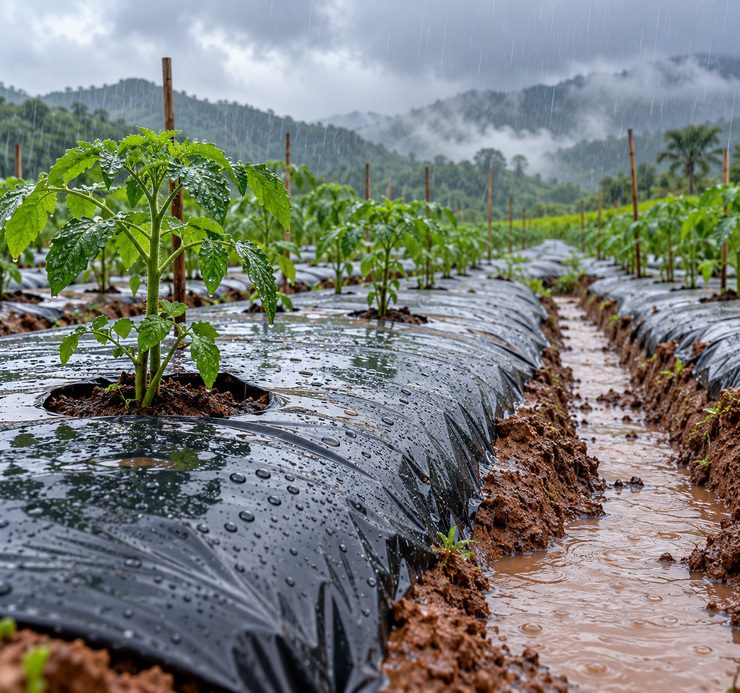
Soil erosion is one of the biggest threats to sustainable agriculture. Wind, rain, and runoff remove topsoil — the most fertile layer — making farming difficult over time.
Mulch films reduce erosion by:
- Shielding soil from raindrop impact
- Preventing wind from carrying soil away
- Keeping soil particles bonded together
- Limiting water runoff
This protects valuable topsoil and ensures long-term land productivity.
Practical Tips: How Farmers Can Use Mulch Films to Improve Soil Health
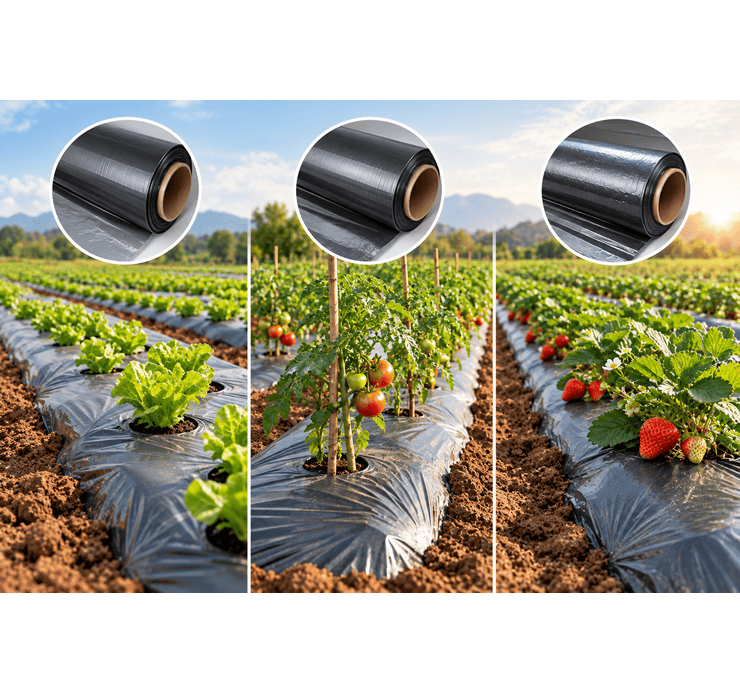
1. Choose the Right Film Color
Different colors offer different benefits:
- Black mulch → weed control
- Silver mulch → pest reflection
- White mulch → heat reduction
2. Ensure Proper Soil Preparation
Loose, well-tilled soil improves airflow and drainage beneath the film.
3. Use Drip Irrigation Under Mulch
This ensures even, efficient water delivery.
4. Avoid Over-Tightening the Film
Slight slack prevents airflow blockage and root stress.
5. Monitor Soil Moisture Regularly
Mulch reduces evaporation — meaning crops may need less frequent irrigation.
Why High-Quality Mulch Films Matter
Choosing the right mulch film can transform soil health and long-term farm performance. Here’s why Neha Mulch Film stands out for farmers looking for reliable solutions:
- Their mulch films are designed with real farming challenges in mind, ensuring durability and ease of use.
- Years of close work with growers help shape products that truly support field conditions.
- They are known among trusted mulch film manufacturers for offering consistent, strong, and dependable films.
- Every roll is crafted to protect soil health and promote sustainable growth season after season.
These qualities make Neha Mulch Film a dependable partner for farmers who want better soil and better yields—naturally.
Growing Sustainably With Neha Mulch Film
Strong crops begin with strong soil. By using mulch films thoughtfully, farmers can protect their land from erosion, support beneficial microorganisms, and maintain healthy soil structure season after season.
At Neha Mulch Film, farmers can find high-quality plastic mulch designed to support sustainable farming practices with care and reliability.
If you’re looking to strengthen your soil and protect long-term productivity, mulch films are a simple and effective place to start.
FAQ’S :
They conserve water, protect against erosion, improve soil structure, and support microbial life — helping farmers grow more using fewer inputs.
Yes. By maintaining moisture and temperature, mulch films encourage microbial activity. This helps nutrients break down naturally, improving soil fertility over time.
They don’t eliminate fertilizers, but they make nutrient uptake more efficient. Roots absorb more nutrients because soil conditions are stable and moisture is preserved.
Mulch films prevent soil from washing away during heavy rain and reduce evaporation during dry spells. This protects soil under all weather conditions.
Yes, when used responsibly. High-quality films allow soil life to remain active, prevent compaction, and protect topsoil — making them a key tool in sustainable farming.
Vegetables, fruits, herbs, and plantation crops all benefit. Mulch films especially help moisture-sensitive crops like tomatoes, cucumbers, peppers, melons, and capsicum.
Read More: How Agricultural Mulching Films Help Boost Pepper Yields Naturally