Across India’s farmlands, the battle against dry soil is becoming tougher each year. Rising temperatures, irregular rainfall, and faster evaporation are steadily depleting soil moisture — the foundation of healthy crops.
Dry soil doesn’t just mean less water. It changes the entire soil ecosystem: microbial life reduces, nutrient absorption slows, and plants struggle to root deeply. Traditional irrigation alone can’t fix this; the problem is more about retaining moisture than adding more.
That’s where mulch film has proven to be one of the simplest yet most effective agricultural innovations in recent years.
What Makes Mulch Film Effective
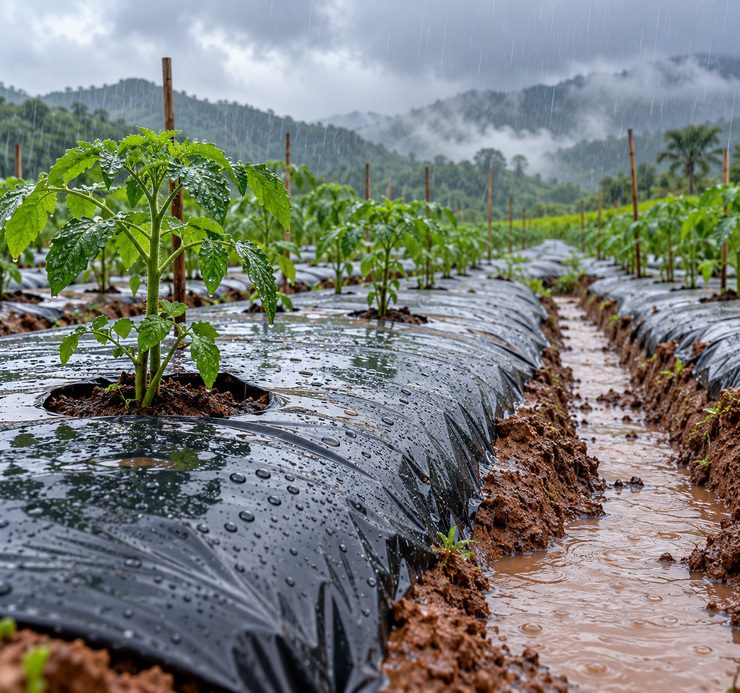
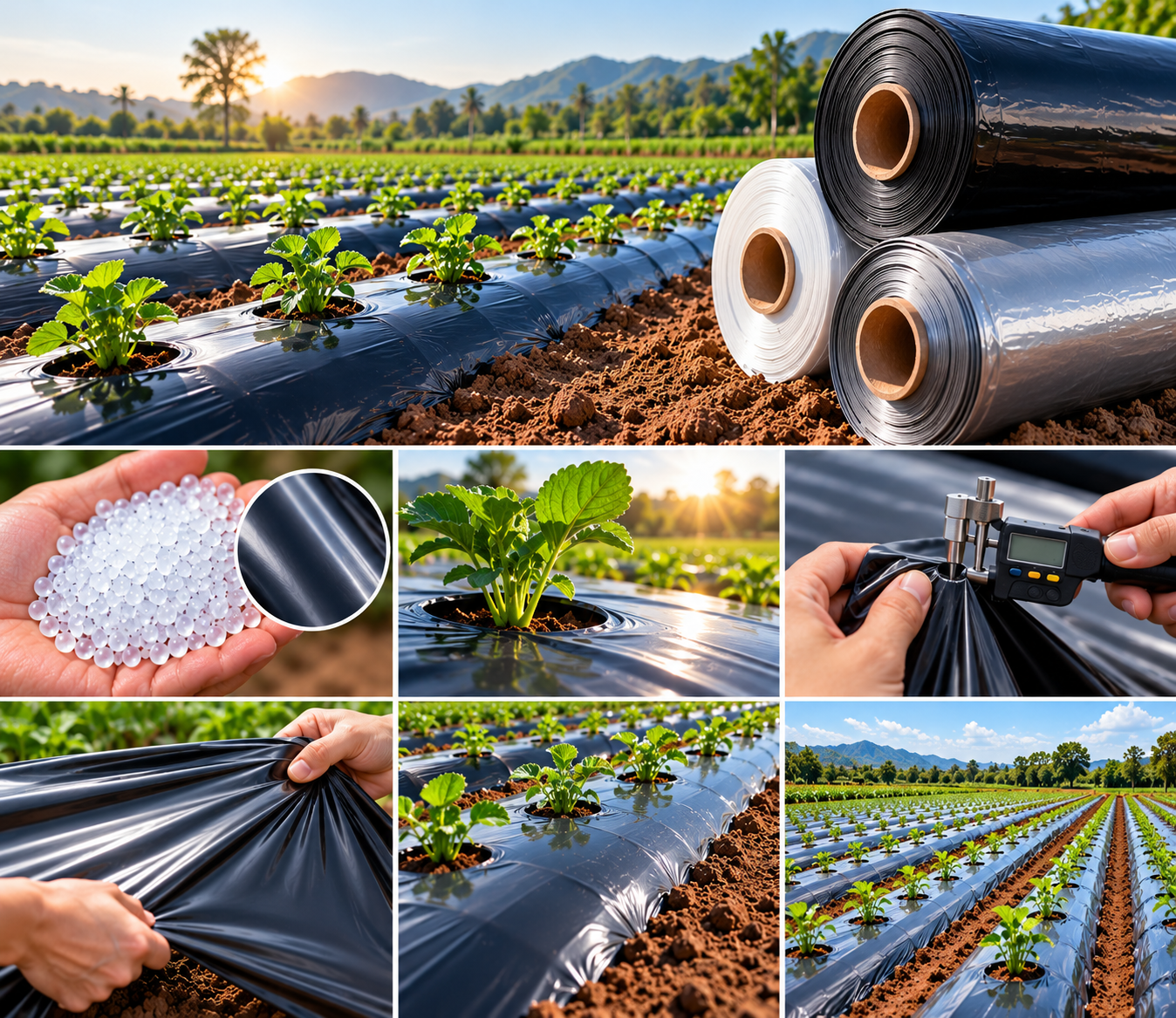
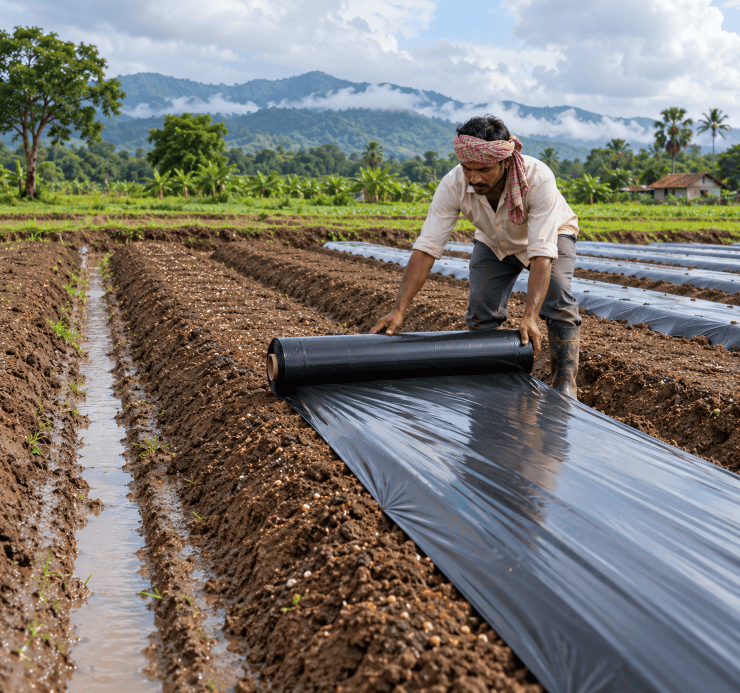
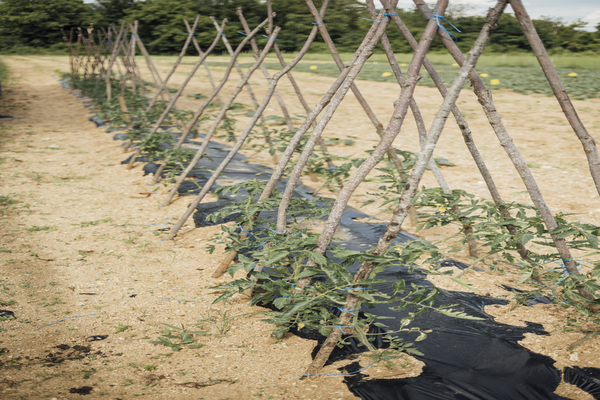
Mulch film is a thin layer — usually polyethylene — laid over the soil surface. Its purpose is straightforward: to create a protective barrier between the soil and the surrounding air. But the impact is profound.
By blocking direct sunlight and reducing wind exposure, mulch film helps the soil hold onto its natural moisture. Evaporation rates drop significantly, allowing plants to absorb water more efficiently. It also minimizes surface crusting, prevents nutrient leaching, and supports more balanced soil temperatures throughout the day.
In regions prone to heat stress or erratic rainfall, plastic mulch film can help crops withstand long dry intervals between irrigation cycles.
Key Benefits Beyond Moisture Control
While moisture retention is the headline benefit, farmers value mulch films for several other reasons:
- Weed suppression: The opaque layer prevents light from reaching the soil, stopping weed germination naturally.
- Temperature regulation: Different colored films — black, silver, or transparent — can either trap warmth or reflect excess heat, depending on the climate.
- Improved root health: A consistent soil temperature encourages stronger and deeper root growth.
- Cleaner produce: Crops remain separated from soil contact, reducing disease and rot risks.
Over time, these combined effects lead to more uniform growth and higher-quality yields, especially in high-value vegetable and fruit crops.
Types Of Mulch Film And Their Uses
The right mulch film depends on your crop type, climate, and soil conditions. Here’s how different types perform in the field:
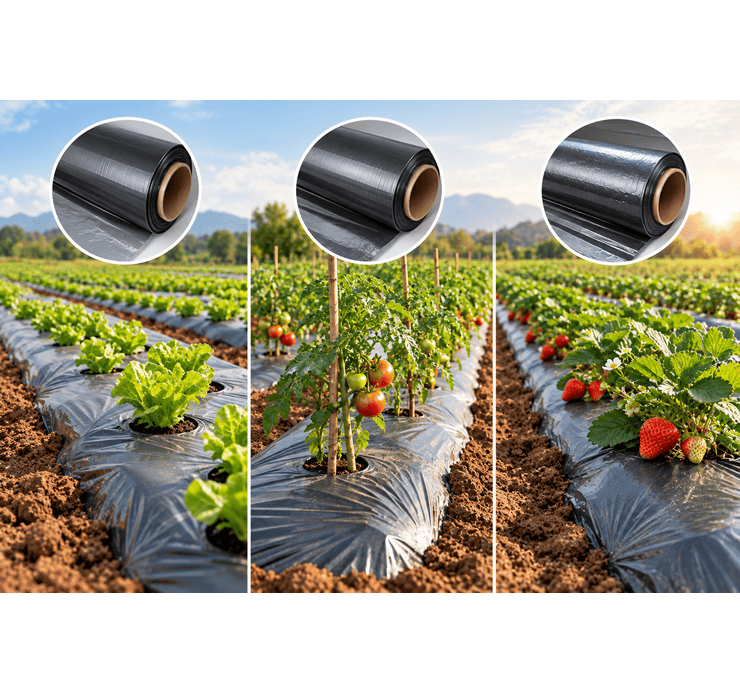
- Black Mulch Film: The most widely used type. It absorbs sunlight to warm the soil during early growth stages while completely blocking light to prevent weed growth. Ideal for crops like tomato, chilli, and brinjal.
- Silver/Black Mulch Film: A dual-purpose film with a reflective silver surface on top and black beneath. The silver side deflects excess sunlight, helping maintain cooler soil temperatures and even repelling certain pests. Perfect for heat-sensitive crops such as cucumber, cabbage, and melons.
- White Mulch Film: Commonly used in regions with very high temperatures. It reflects sunlight to keep the soil cool, protecting crops from heat stress. Farmers often prefer it for crops like strawberry, lettuce, and cauliflower.
- Transparent Mulch Film: Allows sunlight to pass through and trap heat, making it useful in colder or early-season cultivation. It’s especially effective for crops like onion, carrot, and early vegetables that benefit from warm soil conditions.
Selecting the right film is not about trends — it’s about understanding your soil and crop requirements. Experienced mulch film suppliers can help tailor the choice based on your farm’s unique conditions.
Sustainable Water Management With Mulch Film
Water conservation is one of agriculture’s biggest challenges. In dry zones, even small gains in water efficiency can have major results. By using agricultural mulching films, farmers report:
- Reduced irrigation frequency,
- Lower water consumption,
- More stable plant growth during dry spells.
Paired with drip irrigation, mulch film creates a micro-environment that minimizes waste and ensures water reaches roots directly — not lost to evaporation or runoff.
Integrating Mulch Film Into Modern Farming
Mulch film is now a familiar sight in vegetable cultivation across India. From small organic farms to large-scale polyhouse operations, its application is steadily expanding.
For farmers transitioning toward climate-smart practices, it offers a low-cost, low-maintenance solution that directly improves soil performance without relying on chemical inputs.
When sourced from experienced mulch film manufacturers, the film’s quality, UV resistance, and durability ensure it can last through harsh weather conditions while delivering consistent benefits throughout the growing cycle.
Final Thoughts
Dry soil will continue to test agriculture’s resilience, but the answer doesn’t always lie in more water — sometimes, it lies in smarter conservation. Mulch film offers exactly that: a reliable, field-tested way to protect soil moisture, maintain temperature, and support healthier crops.
If you’re exploring sustainable farming techniques or looking for reliable mulch film manufacturers in Kolkata, you can reach out to Neha Mulch Film for guidance on selecting the right film type for your region and crops.
Read More: Strawberry Farming Made Easy: Selecting The Best Mulch Film