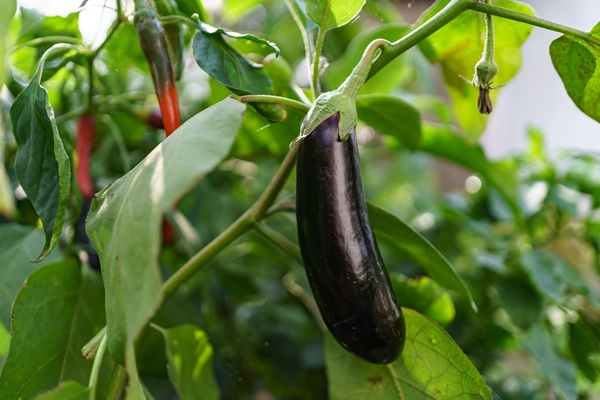
For farmers growing brinjal, pest control often becomes one of the biggest struggles. Frequent pesticide use not only raises costs but also damages soil health. Fortunately, a simple, eco-friendly, and effective solution is gaining popularity—agricultural mulch film for brinjal cultivation.
In this blog, we'll explore how mulch film helps reduce pest infestations naturally. We’ll also cover its other benefits, common myths, and how it protects crops during unpredictable weather—especially for farmers in West Bengal.
How Does Mulch Film Help Control Pests In Brinjal Farming?
Brinjal crops are highly vulnerable to fungal infections, aphids, mites, and various sucking pests. But when mulch film is used, the soil stays covered—reducing moisture exposure and disrupting the ideal conditions many pests need to thrive.
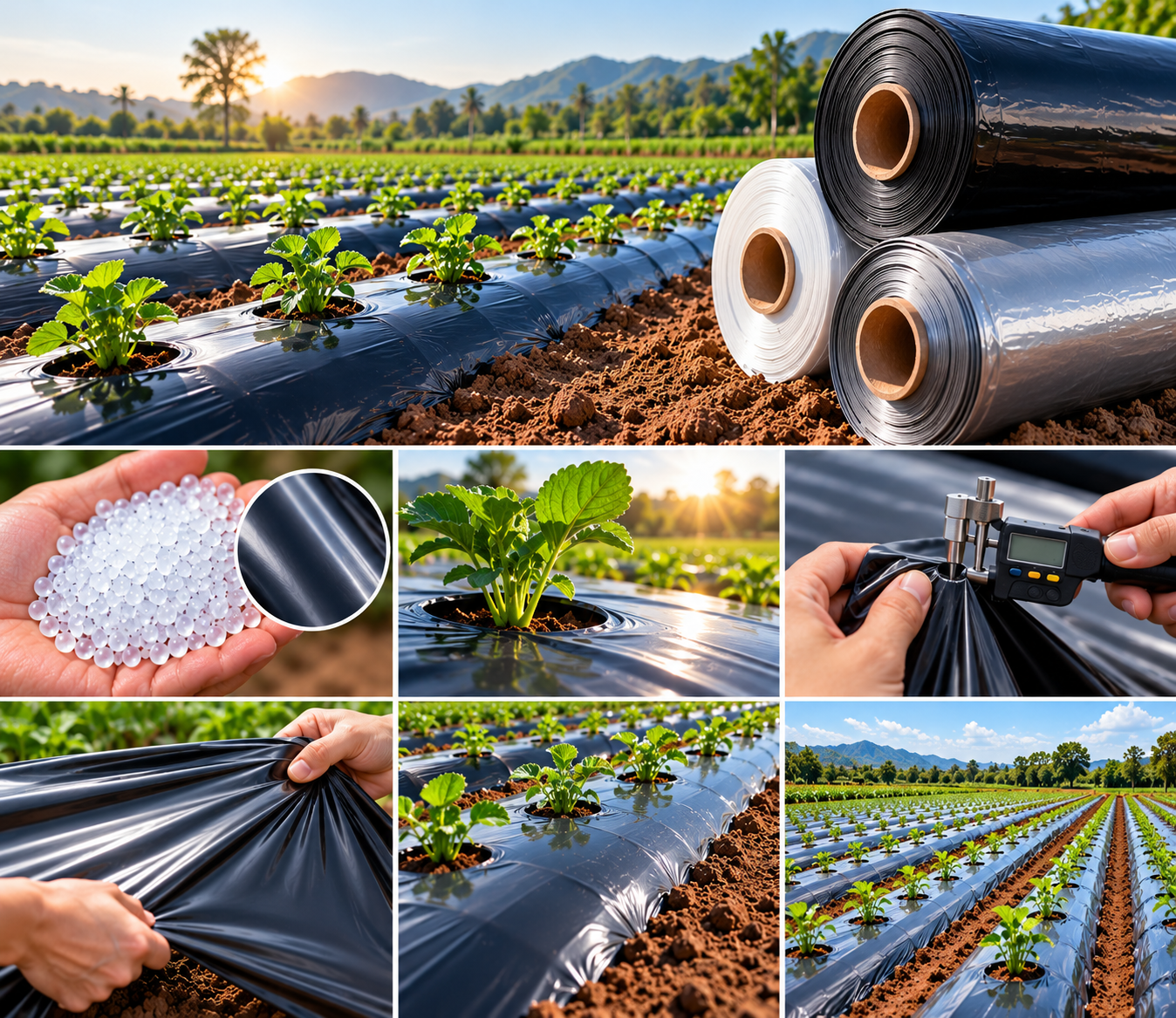
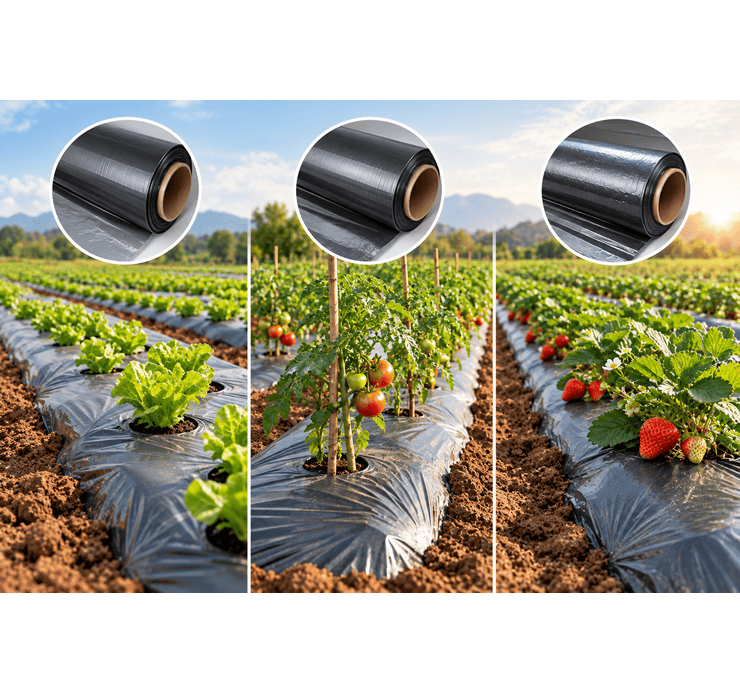
Silver-colored mulch film, in particular, reflects sunlight and confuses flying insects. As a result, they fail to land on leaves or stems. Pests that live in the soil also struggle to survive under the film’s surface. In many cases, farmers have reported a 50%–70% reduction in pesticide use after adopting mulch film.
General Benefits Of Agricultural Mulch Film For Brinjal Cultivation
1. Weed Control
Mulch film blocks sunlight from reaching the soil. Weeds don’t grow, and brinjal plants get full access to nutrients—leading to better growth and yield.
2. Moisture Retention
During peak summer, the soil dries up quickly. Mulch film helps retain moisture, reducing irrigation needs and keeping roots cool and hydrated.
3. Temperature Regulation
When temperatures drop suddenly in the evening, the film holds warmth in the soil. During hot afternoons, it shields roots from heat stress.
4. Improved Fruit Quality
Since the fruits don’t touch bare soil, there’s less risk of rot or blemishes. The result? Bigger, shinier, and more market-ready brinjals.
Common Myths About Mulch Film In Brinjal Farming
Many West Bengal farmers still hesitate to try mulch film, believing it’s only for large-scale or high-tech farms. But this isn’t true.
Myth 1: “Mulch Film Is Too Expensive.”
In reality, it's a one-time investment. It increases yield, cuts pesticide and irrigation costs, and offers long-term returns.
Myth 2: “It blocks Soil From Breathing.”
Not true. Modern mulch films are designed to allow air and water exchange, keeping the soil healthy.
Myth 3: “It’s Not Suitable For Small Plots.”
Farmers across West Bengal—from West Midnapore to Malda—have successfully used it in small fields with impressive results.
How Mulch Film Protects Brinjal Crops From Harsh Weather
West Bengal’s climate has become increasingly unpredictable. Sudden rain, unseasonal heat, or cold spells often damage standing crops.
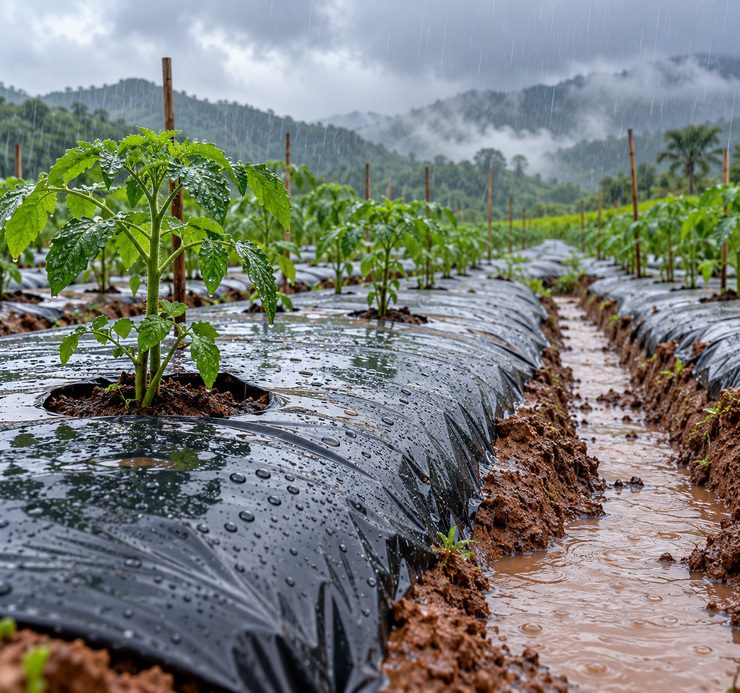
This is where mulch film acts like a protective barrier. It prevents waterlogging during rain, keeps the root zone dry, and stops fungal growth. In summer, it shields roots from overheating. In winter, it preserves soil warmth, ensuring steady plant growth.
Several farmers have noticed that plants now survive longer, even after heavy rain—something they struggled with before using mulch film.
Easy To Apply And Time-Saving
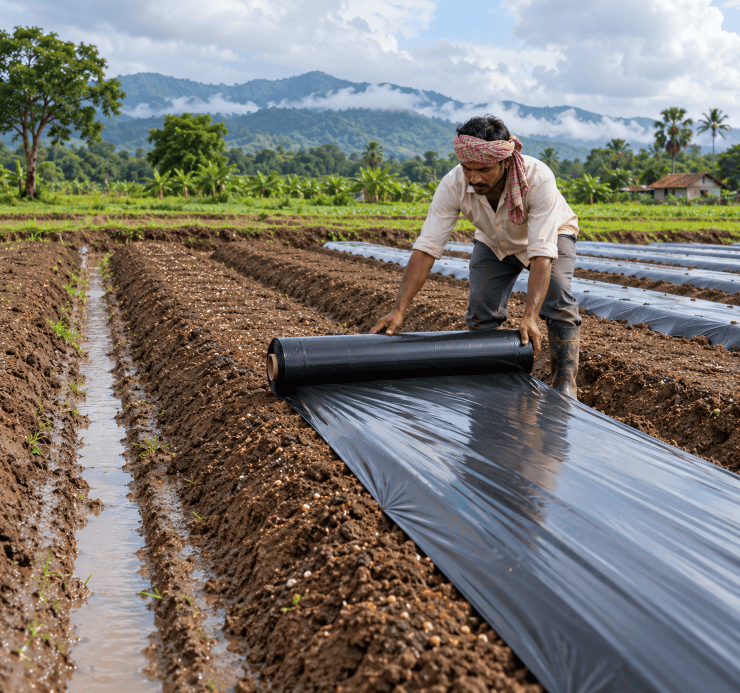
Installing mulch film is a straightforward process. Prepare the land, lay the sheet, and make holes at fixed intervals to transplant seedlings. Once installed, there’s little need for weeding or soil digging for the rest of the season.
This not only reduces labour but also helps farmers focus on plant health and harvesting.
Why You Should Choose Agricultural Mulch Film For Brinjal Cultivation Today
- Naturally controls pests, reducing pesticide dependence
- Improves both yield and fruit quality
- Cuts down on water use, labour, and farming expenses
- Protects crops from weather fluctuations
- Easy to use and suitable for farms of all sizes
Final Thoughts: It’s Time For A Smart Shift In Farming
Brinjal farming comes with many daily challenges. But simple innovations like mulch film can transform the experience. It offers a natural, cost-effective, and farmer-friendly solution to pest control while supporting overall crop health.
If you’re a farmer in West Bengal looking to improve your brinjal yield, then agricultural mulch film for brinjal cultivation might be the upgrade your farm needs.
As one of the leading mulch film manufacturers in Kolkata, Neha Mulch Film offers high-quality mulch film solutions tailored to support better crop performance, moisture conservation, and weed control across various climates and farming systems.
Make the smart move. Invest in mulch film and see the difference for yourself—less stress, better harvest, and a healthier field.
Read More: Plastic Mulch Film Or Weed Fabric: What’s Best For Efficient Farming?