Protecting Seedlings with Shade Nets: For Nurseries
Starting a nursery or growing seedlings requires precision and care to ensure the plants thrive. One of the most effective tools in a gardener’s arsenal is the shade net. These nets offer an excellent solution for protecting delicate seedlings from harsh environmental factors while promoting optimal growth.
Here’s everything you need to know about using shade nets to safeguard your seedlings, courtesy of Neha Mulch.
What Are Shade Nets?
Shade nets are specialised fabrics designed to provide partial sunlight to plants by filtering harmful UV rays. They come in various densities or shading percentages, typically ranging from 30% to 90%, to cater to the specific needs of different plants. For seedlings, shade nets play a crucial role in creating a controlled environment, which is vital for their initial growth stages.
Why Seedlings Need Protection
Seedlings are in their most vulnerable stage and are highly sensitive to external factors such as:
1. Excess Sunlight: Direct exposure to intense sunlight can scorch young plants and inhibit their growth.
2. Temperature Fluctuations: Extreme heat or sudden drops in temperature can stunt seedlings.
3. Pests and Birds: Seedlings are attractive to insects and birds, which can damage or eat them.
4. Heavy Rain: Excessive rainfall can erode soil, damage roots, or cause waterlogging.
5. Wind: Strong winds can uproot fragile seedlings or break their delicate stems.
Shade nets help mitigate these risks by creating a protective barrier around the seedlings.
Benefits of Using Shade Nets for Seedlings
a). Regulated Sunlight: Shade nets filter sunlight to ensure seedlings receive adequate light without being exposed to harmful UV rays. For most seedlings, a 50% shade net works best as it provides the perfect balance.
b). Temperature Control: By reducing direct exposure to the sun, shade nets help maintain an optimal temperature for seedling growth, preventing overheating during hot days.
c). Improved Humidity: Shade nets retain moisture by reducing evaporation, creating a humid microclimate ideal for young plants.
d). Pest and Bird Protection: The physical barrier provided by shade nets keeps pests and birds away, ensuring seedlings remain undisturbed.
e). Water Conservation: Reduced evaporation means less frequent watering, saving both water and effort while keeping the soil moist.
How to Use Shade Nets for Seedlings
1. Select the Right Shade Percentage: For most seedlings, a 30% to 50% shade net is recommended. Choose a higher density for extremely hot climates or sensitive plants.
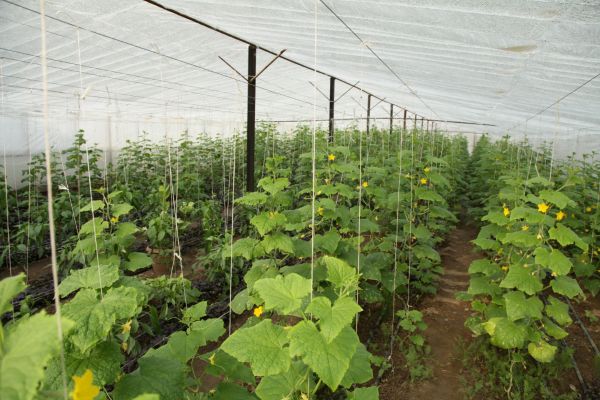
2. Proper Installation: Install shade nets above the seedling beds, ensuring they are securely fastened to poles or frames. Leave enough space for air circulation and easy access for watering and maintenance.
3. Regular Monitoring: Check the seedlings frequently for signs of over-shading (leggy growth) or under-shading (scorched leaves). Adjust the net’s position if necessary.
4. Combine with Other Protective Measures: Use shade nets alongside mulch to prevent soil erosion and maintain consistent soil moisture. Pair them with insect-proof nets for additional pest control.
Common Mistakes to Avoid
- Using the Wrong Shade Density: Overshading can limit photosynthesis, leading to weak seedlings. Always choose the shade percentage suitable for the specific plants.
- Improper Installation: Loose or uneven installation can cause gaps, exposing seedlings to sunlight or pests.
- Neglecting Maintenance: Failing to clean or repair damaged shade nets can reduce their effectiveness and shorten their lifespan.
Choose Neha Mulch Films for Your Nursery
By providing a controlled environment, shade nets help protect seedlings from environmental stressors, conserve resources, and boost overall nursery productivity. Whether you’re a seasoned gardener or a beginner, investing in the right shade nets can make all the difference in nurturing robust and thriving plants.
Start protecting your seedlings today with our shade nets and watch your nursery flourish!
Read our other blog: The Future of Shade Nets: What to Expect from Manufacturers