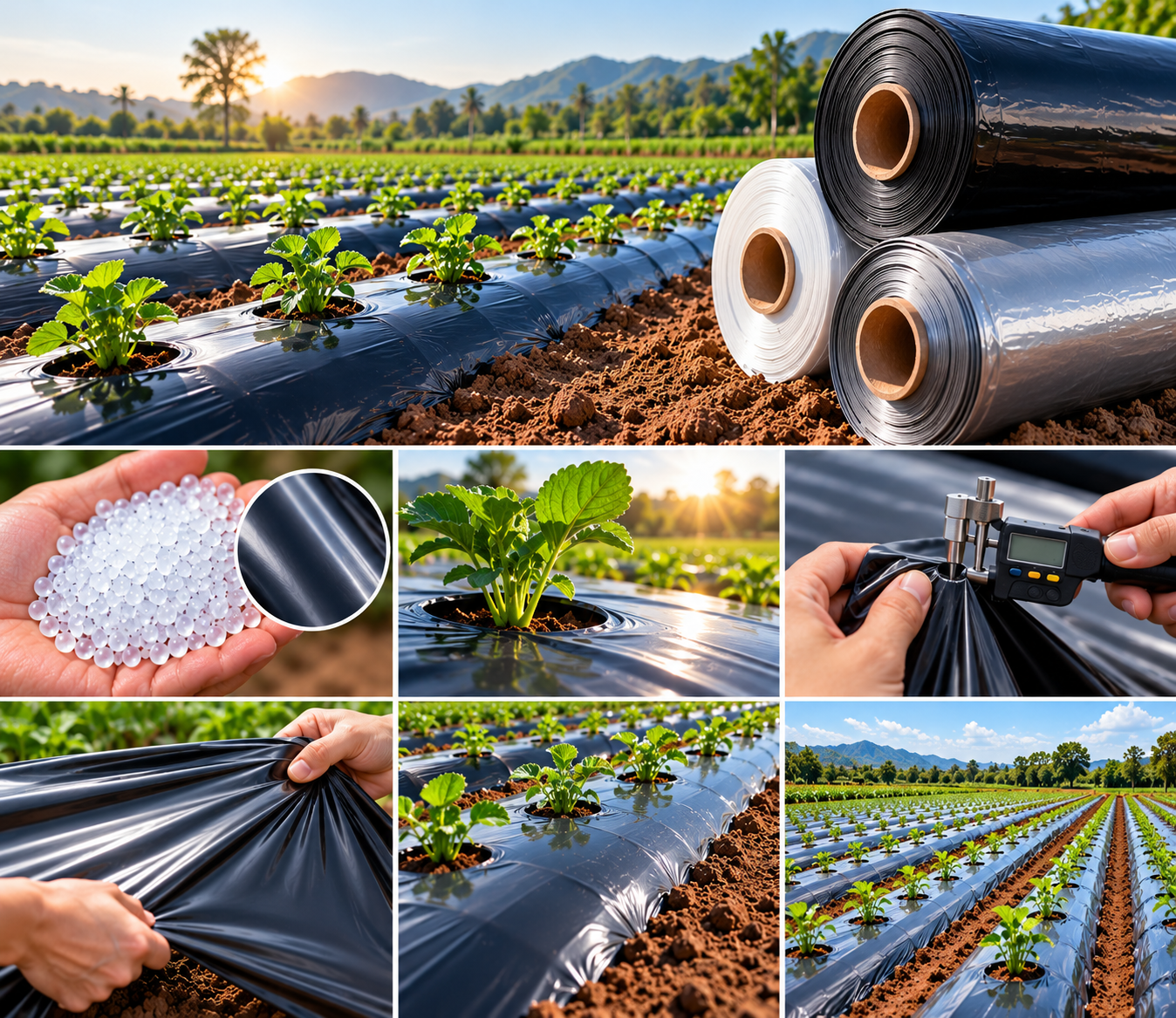
Mulch Film Have UV Stabilisation?

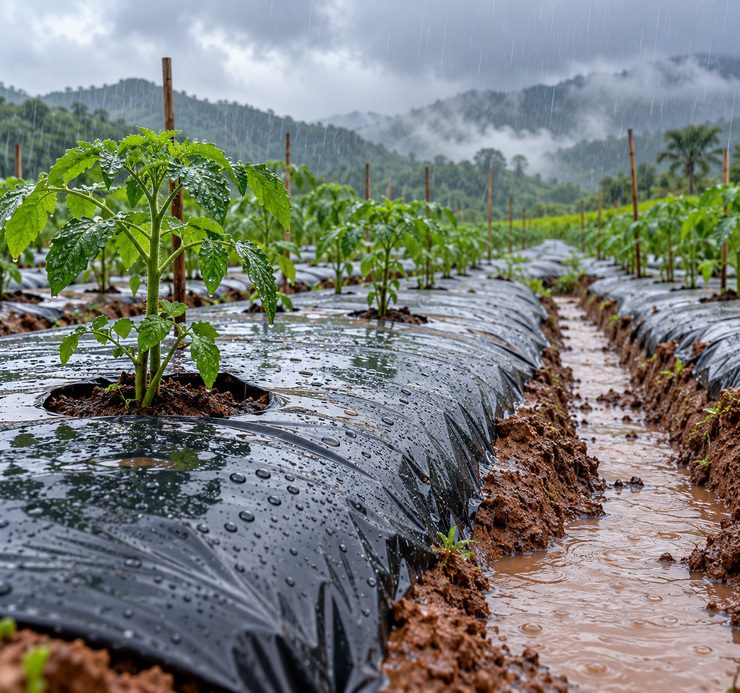
UV stabilisation is what keeps agricultural mulch film from breaking apart under direct sunlight. Without it, the film starts cracking, flaking, and tearing within a few weeks, sometimes before the crop is even halfway through its cycle. With proper UV stabilisation, the film holds together through heat, rain, and extended sun exposure for the full season. How to check:
  • Ask directly: "Is this film UV-stabilised and for how many months?"
  • A clear UV life rating matched to the season length you need is a good sign
Where you farm also changes how critical this check becomes.  Why this matters more in Eastern India: States like West Bengal, Assam, Jharkhand, and Meghalaya face intense post-monsoon sun combined with high humidity. A film without strong UV stabilisation degrades faster in these conditions than in drier climates, making this check especially important for buyers in this region.  

Check 3: Is the Mulch Film Micron Thickness Consistent?

A mulching film roll that measures 25 microns at one end may not stay 25 microns throughout. Inconsistent thickness is one of the most common quality problems with lower-grade films, and it is directly linked to recycled raw material or poor production control. What inconsistent thickness causes:
  • Weak spots that tear during laying
  • Uneven weed suppression where thinner sections let light through
  • Faster degradation at thin points under sun and rain
A simple check before buying in bulk:
  • Hold a sample of the film up to light: visible patches that appear thinner or more transparent indicate uneven thickness
  • Run the film between your fingers: consistent film feels uniform throughout; variable film does not
For machine laying especially, consistent thickness matters even more. Machines apply tension to the film as it rolls out. Thin patches tear under that pressure.  

Check 4: Does the Mulch Film Size Match Your Field?

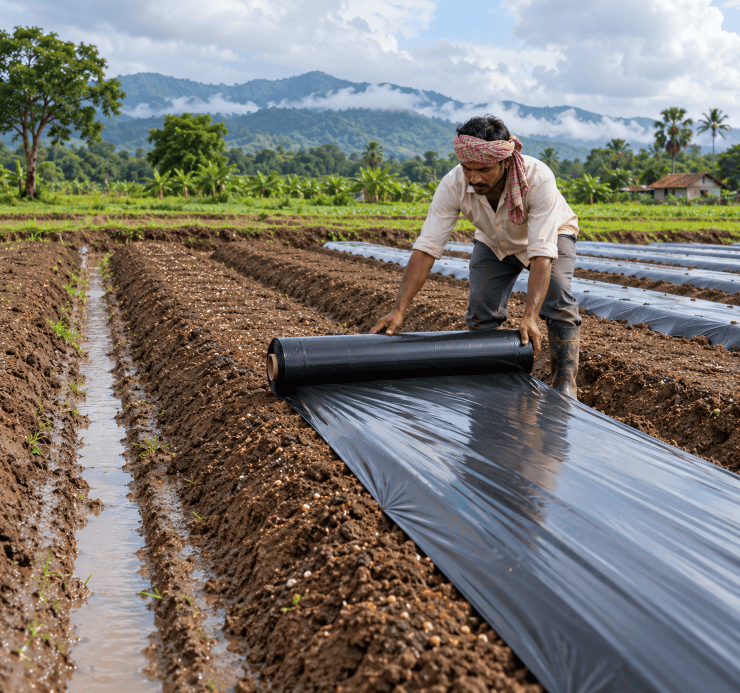
Ordering the wrong width or roll length is one of the most avoidable and most common mistakes in mulch film buying. It happens more often than it should. Width: Common options are 2.5 ft, 3 ft, 3.25 ft, and 4 ft. The right width depends on your bed size. Too narrow and the edges do not anchor properly. Too wide and you are paying for film that overhangs unused. Roll length: Standard options are 400m, 500m, 600m, 800m, and 1000m. Calculate what you need per acre before ordering, not after.
Row SpacingApprox. Film Needed (25 mic)
0.5m: dense planting65 to 70 kg per acre
0.75m: standard vegetable50 to 55 kg per acre
1.0m: wide row crops40 to 45 kg per acre
Confirm both specifications before placing a bulk order; changing after dispatch is rarely straightforward.  

Check 5: Can the Mulch Film Suppliers Back It With Documentation?

This is the check that separates a reliable supplier from one who is not. What quality documentation confirms:
  • The raw material used: virgin vs recycled
  • UV stabilisation grade and declared lifespan
  • Micron thickness tolerance
  • Manufacturing standards followed
Why an in-house quality lab matters: Most manufacturers either skip quality testing entirely or depend on third-party labs. A manufacturer with their own approved in-house quality control lab can test every batch before it leaves the facility, which means what is written on the spec sheet is what actually goes into the roll. Among mulch film manufacturers in India, this level of in-house quality infrastructure is not common. It is worth asking specifically: "Do you test in-house or through a third party?" and "Can I see your quality certifications?" A supplier who answers this clearly and can back it with documented proof is a supplier worth trusting for repeat orders.  

Does the Mulch Film Colour Fit the Crop?

ColourBest ForKey Benefit
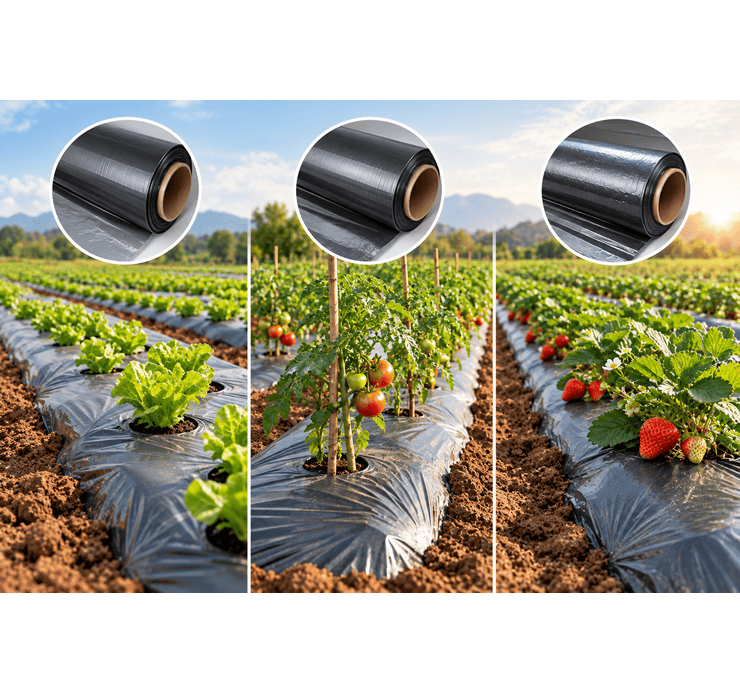
Silver-BlackTomato, chilli, capsicum, cucumberReflects heat, repels insects
BlackWatermelon, brinjal, okra, potatoWarms soil, complete weed block
WhiteSummer crops, onion, garlicKeeps soil cool in peak heat
A common mistake dealers make: stocking only one colour and applying it across all crops. Even the right quality film in the wrong colour will underperform; colour is part of getting the full value from your purchase.  

The Right Checks Will Bring You To The Right Film

Every check in this blog leads to asking the right questions before placing an order. The film itself cannot tell you what it is made of. The roll cannot tell you how long it will last. Only the supplier can, and one who answers confidently, with documentation to back it up, is one worth returning to. If you are a buyer building your next season's input plan, use these five checks as your starting point. Neha Impex Pvt. Ltd., manufacturing agricultural mulching films in Kolkata since 1991, produces mulch film from 100% virgin polyethylene with UV stabilisation across a full range of microns, widths, and roll lengths. What sets them apart is their own SASMIRA-approved in-house quality control lab, which means every batch is tested before it leaves the facility, not after a complaint arrives.  Start with these five checks on your next order.  

Frequently Asked Questions

Q1. How do I know if a mulch film is made from recycled material? Look for uneven colour, patchy appearance, or inconsistent thickness across the roll. Ask for a material certificate; manufacturers using virgin PE can provide this without hesitation. Q2. Does thicker plastic mulch film always mean better quality? No. Thickness affects durability but not raw material quality. A well-made 25-micron virgin PE film with UV stabilisation can outperform a 30-micron recycled film in the field. Q3. How do I spot a mulch film without proper UV stabilisation? Leave a sample under direct sun for 2 to 3 weeks. Poor UV stabilisation shows up as surface cracking, brittleness, or flaking well before the crop cycle ends. Q4. Is mulch film from a Kolkata-based manufacturer reliable for Northeast India farms? Yes. Kolkata manufacturers supply regularly to Assam, Meghalaya, Jharkhand, and beyond. Proximity means faster dispatch, lower freight cost, and easier communication during peak planting season. Q5. What roll width works best for drip irrigation bed farming? 3 ft or 3.25 ft width fits most standard drip irrigation bed setups. Measure your bed width first and confirm the exact width with your supplier before placing the order.

Looking for a high-quality
Mulch Film for your farm?