A Guide to Agricultural Mulch Film in Meghalaya
Meghalaya’s farming landscape differs from many plainland agricultural regions of India. The state has hilly terrain and a strong base of horticulture and vegetable farming. It is rich in cultivating a variety of crops such as cabbage, cauliflower, tomato, pumpkin, bitter gourd, beans, leafy vegetables, and pineapple. These crops have good market value, but they also need careful farming management. In Meghalaya’s hilly regions, farmers often deal with soil erosion, uneven rainfall, weed pressure, moisture loss, and difficulty in maintaining uniform crop growth across slopes. This is where Agricultural Mulch Film in Meghalaya can be a useful farming support tool. When used correctly, mulch film helps conserve soil moisture, reduce weed competition, protect the root zone, and support better crop consistency. For vegetable and pineapple growers, it can help create a more stable cultivating environment without depending only on frequent manual fieldwork.Why Meghalaya’s Hilly Farms Need Better Soil and Moisture Management
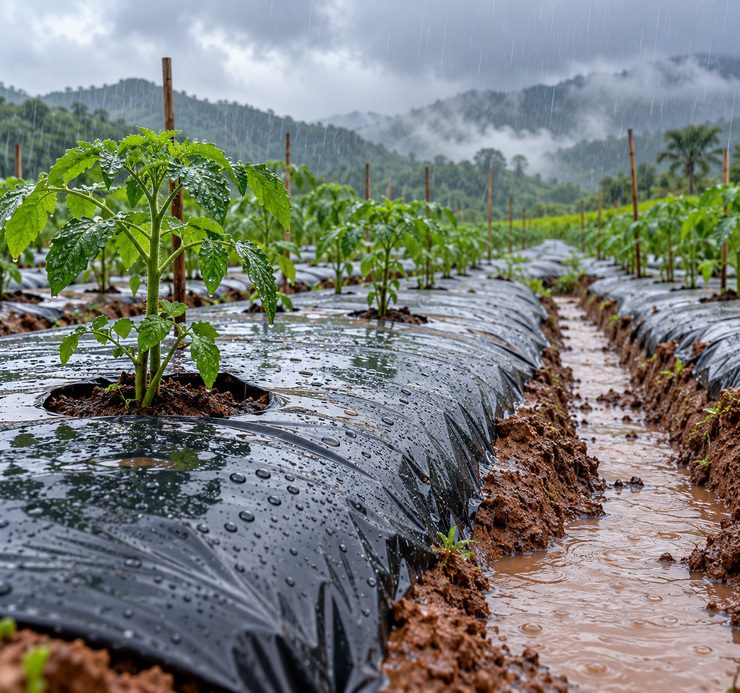
Farming on hilly land is not always easy. Sloped fields are more exposed to water runoff during rainfall. When rainwater flows quickly over the soil surface, it can carry away loose soil particles, nutrients, and organic matter. This can slowly reduce soil strength and affect crop quality. At the same time, dry periods between rains can affect the soil; the surface soil may lose moisture quickly, especially in open beds where it is directly exposed to sunlight and wind. For crops like tomato, cucumber, cabbage, cauliflower, brinjal, beans, and leafy vegetables, unstable soil moisture can affect plant growth. Pineapple farming also needs careful soil moisture management. Pineapple plants can tolerate certain tough conditions, but better root-zone protection can still support healthier crop development. For farmers and agri-dealers searching for crop protection solutions, mulching film offers great support in retaining soil moisture.What Is Agricultural Mulch Film?
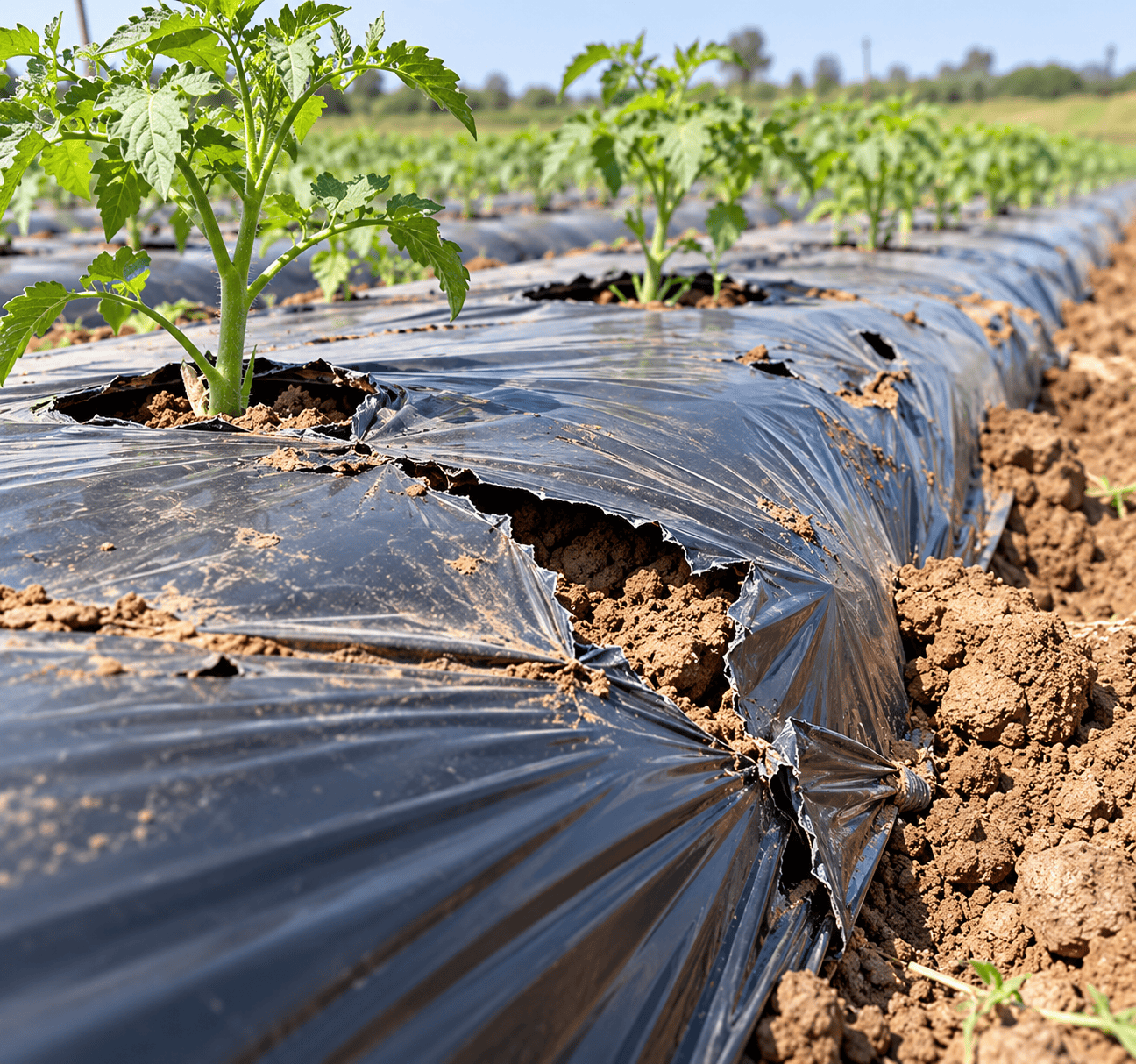
Agricultural mulch film is a thin protective plastic mulch film placed over prepared soil beds. Crops are planted through holes made in the film. The film covers the soil around the plant and acts as a barrier between the soil surface and the external environment. Its main functions include:- Reducing direct evaporation from soil
- Limiting weed growth around crops
- Protecting the soil surface from heavy rain impact
- Helping maintain a more stable root-zone temperature
- Supporting better use of irrigation water
How Mulching Film Helps Vegetable Farming in Meghalaya
Vegetable cultivation needs regular care. Cabbage, cauliflower, tomato, cucumber, pumpkin, bitter gourd, beans, brinjal, and leafy vegetables are sensitive to weed pressure and irregular moisture. When weeds grow around vegetable plants, they compete for water, nutrients, sunlight, and space. Farmers may need repeated manual weeding, which adds labour cost and time. Using Neha mulch film can help reduce weed growth. Since the soil is covered, sunlight does not reach the weed seeds easily. This reduces the frequency of weeding and helps crops use available moisture and nutrients more efficiently.How Mulch Film Supports Pineapple Farming
Pineapple is one of Meghalaya’s important horticulture crops. Many pineapple-growing areas are located on undulating or sloped land. In such fields, soil and moisture protection become important. Agricultural Mulch film can help pineapple farmers in several ways:- It helps reduce moisture loss from the soil surface
- It limits weed growth between plant rows
- It protects the root zone from direct exposure
- It may reduce the need for frequent manual weeding
- It helps maintain a cleaner growing bed
Factors to Consider When Using Agricultural Mulch Film in Meghalaya
It should be used as part of a planned farming system, not as a replacement for good agronomic practices. Things You Should Keep in Mind While Placing Mulching Film:- Soil Preparation
- Drainage
- Planting Distance
- Irrigation Planning
- Field Inspection
Why Crop Consistency Matters for Farmers and Agri-Dealers in Meghalaya
Farmers do not only need higher production. They also need consistency. Uneven plant growth can affect harvesting time, quality, grading, and market returns. Agri-dealers also look for reliable solutions that can help reduce avoidable crop stress. Agricultural Mulch Film in Meghalaya can support crop consistency by improving the growing environment around the plant. It helps manage three important factors:- Soil moisture
- Weed pressure
- Root-zone protection
Where Neha Mulch Film Fits In
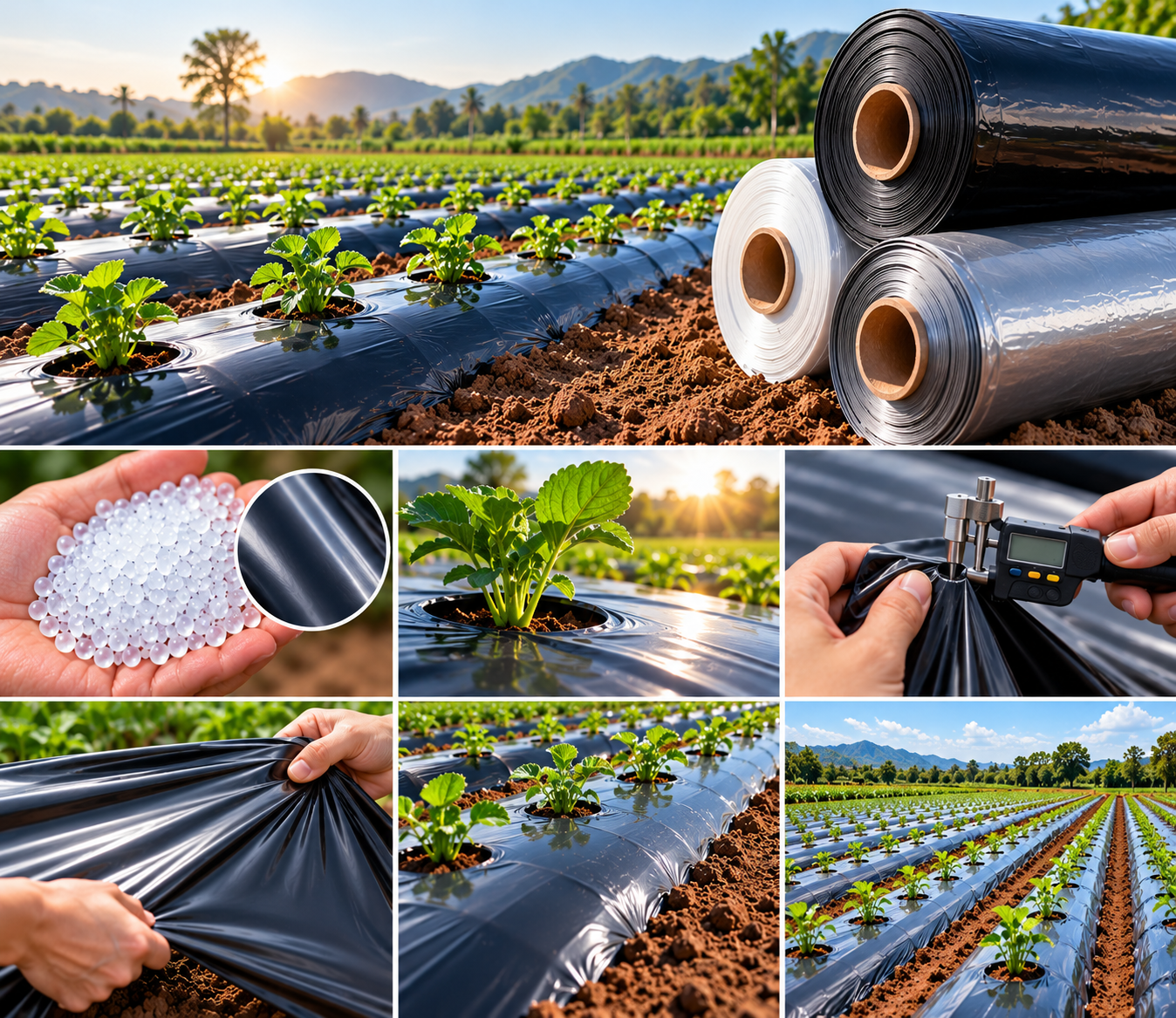
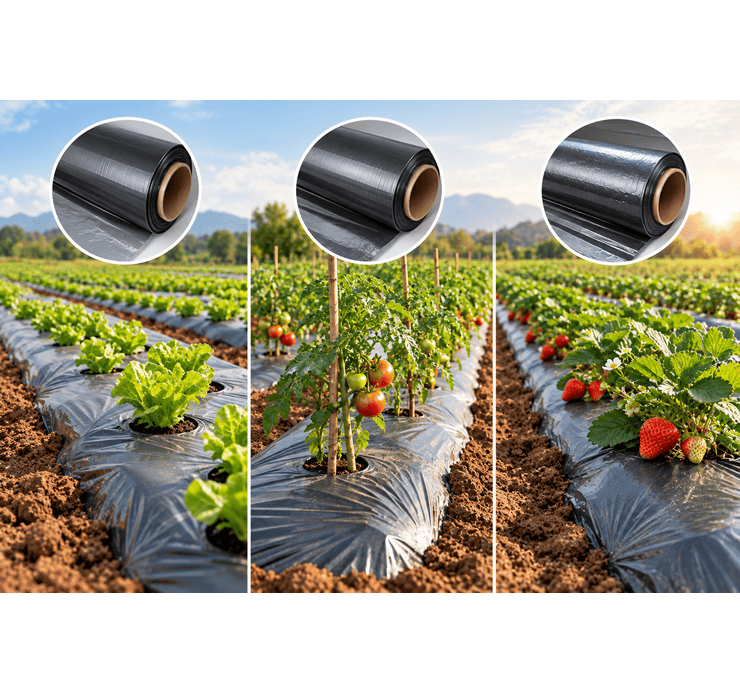
As one of the leading Mulch Film Manufacturers in Kolkata, Neha Mulch Film provides agricultural mulch solutions for different crop needs. For Meghalaya farmers and agri-dealers, Neha Mulch Film can be a profitable solution for cultivating crops such as tomato, cucumber, brinjal, chilli, bitter gourd, ridge gourd, watermelon, and other vegetables, pineapple, and papaya. However, remember, the right film choice depends on crop type, season, soil condition, and field layout. Farmers should choose film thickness, colour, and width based on field requirements.Tips for Using Mulching Film for Cultivation in Meghalaya
To get better results, mulch film should be installed carefully. Farmers can keep these points in mind:- Prepare the soil bed properly before laying the film
- Make sure the bed has suitable drainage
- Avoid loose stones or sharp objects under the film
- Use proper spacing according to the crop
- Keep the film tight enough, but not overstretched
- Use drip irrigation where possible
- Monitor soil moisture regularly
- Remove and dispose of used film responsibly after the crop cycle